 SUNSET:


Explore the Night with Bob King
Jupiter's Exceptionally Close Opposition
A sentinel in the autumnal sky, Jupiter marks its closest opposition since 1963.

Astronomy in Space with David Dickinson
The Hazards of Uncontrolled Reentries from Space
A recent study examines the risk posed to human life by reentering space debris as the number of rocket launches continues to grow.

Explore the Night with Bob King
Vega, the Star at the Center of Everything
While we may quibble about how to pronounce its name, there's no denying that Vega is one of the most fascinating and useful stars in the heavens.

Why We Look Up with Jennifer Willis
Stellar Confidence: On Impostor Syndrome in Amateur Astronomy
Self-doubt is powerful, but it's no match for the stars — as long as you keep heading outside after dark and looking up.

Astronomy in Space with David Dickinson
First Inter-Venusian Asteroid, Named ‘Ayló’chaxnim, Hints at a New Population
The discovery of an asteroid inside Venus's orbit might be the first of a new population within the inner solar system.

Explore the Night with Bob King
Observe Vesta — and Own a Piece of It, Too
Vesta's bright and easy to find in binoculars and maybe even with the naked eye in late summer skies. It's also just as easy to acquire a piece of it without a multi-billion dollar space mission.

Cosmic Relief with David Grinspoon
Sending Astronauts to Venus
Crazy as it might seem, it’s a logical and thrilling prospect.

Explore the Night with Bob King
Perseids Are Coming, Full Moon or Not
Don't use a full Moon pass to skip this year's Perseid meteor shower. Right here, right now, we're going to help you make the most of it.
Astronomy in Space with David Dickinson
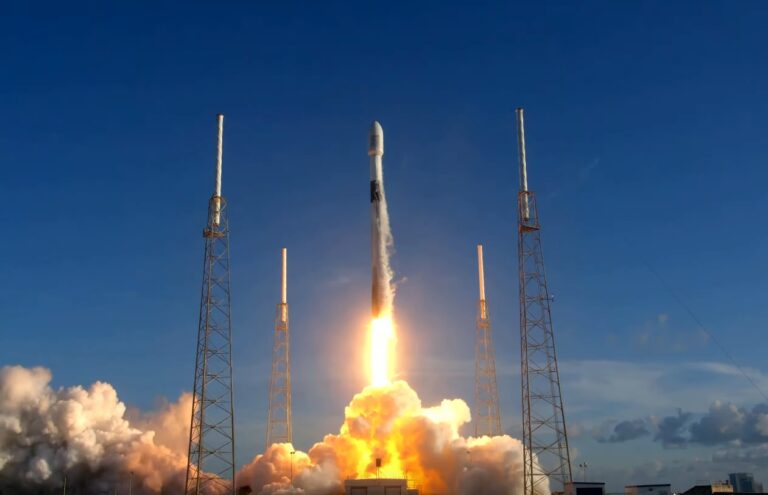
Korea's Lunar Orbiter Heads for the Moon
South Korea's lunar orbiter has launched successfully for the Moon, joining a growing number of missions there.

Astronomy in Space with David Dickinson
Hubble's Future in the Webb Era
Even though it's far past its warranty, Hubble is still proving its worth in this new era that includes the James Webb Space Telescope.

Why We Look Up with Jennifer Willis
Summer Insomnia
Long, hot days mean sleepless nights for stargazers, but it's worth it for the magic that happens under a dark, cool sky.

Explore the Night with Bob King
Solving an Earthshine Mystery
Something we take for granted about the crescent Moon's appearance may be nothing more than an optical illusion.

Explore the Night with Bob King
See a Rare Transit of Iapetus on July 17–18
It's tiny. It's challenging. But you won't get the chance to see Iapetus transit the globe of Saturn again until 2037!

Astronomy in Space with David Dickinson
What We See in the First Science Images from the James Webb Space Telescope
The James Webb Space Telescope released its first science images today. Here's what these images show us.

Why We Look Up with Jennifer Willis
Stargazing’s Lessons for Living
Can stargazing make you a better person?

Explore the Night with Bob King
Titan Occults a Bright Star, Mira Awakens, and Comet PanSTARRS Shines
Pick one or see them all. July offers a potpourri of celestial events for both naked-eye observers and telescope users that include a rare occultation by Saturn's moon Titan, a bright comet, and Mira at maximum.

The Black Hole Files with Camille Carlisle
Monstrous Black Holes Spin More Slowly — But Why?
X-ray observations add to growing evidence that the most massive black holes have a different past than their lightweight peers.

Astronomy in Space with David Dickinson
Successful Launch of Capstone, the Lunar Gateway Pathfinder
Capstone, a small pathfinder spacecraft with a big mission, launched today to pave the way for crewed return to the Moon.

Astronomy in Space with David Dickinson
Found: Booster Impact Crater on the Farside of the Moon
The Lunar Reconnaissance Orbiter mission has found the impact site created March 4th. The crater might help reveal the impactor's identity.

Explore the Night with Bob King
Solar System Gets its Ducks in a Row
We'll have not one but many opportunities to enjoy a rare lineup of the bright planets over the next few weeks. Amazingly, they'll be aligned in order of their distance from the Sun.
