 SUNSET:

 2
2While civil servants are furloughed or working without pay, funding for NASA remains uncertain.
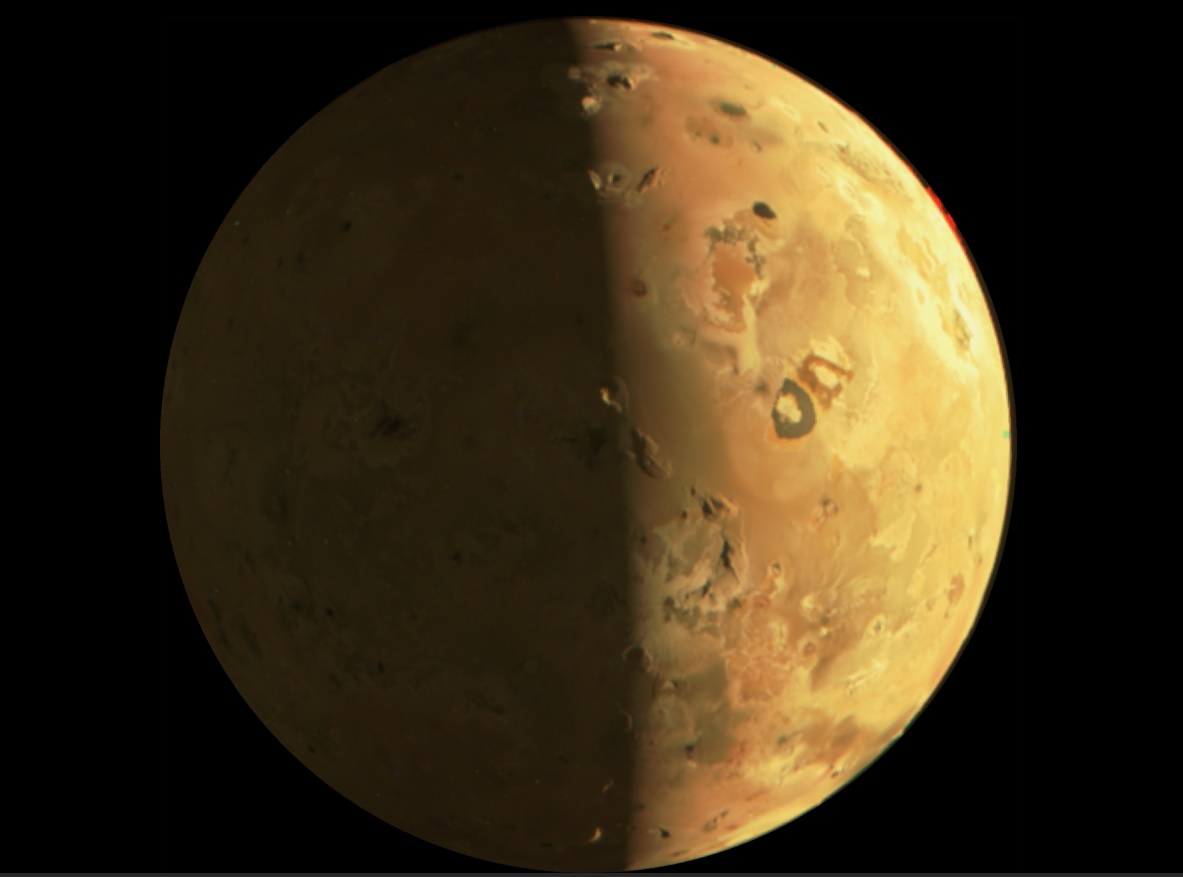
NASA / JPL-Caltech / SwRI / MSSS
At 12:01 a.m. on Wednesday, October 1st, the U.S. federal government officially shut down, halting all government services non-critical to protecting life or property. For 15,000 NASA employees, that means an unwanted stay on the couch. For others, it spells work without pay. And when the government does reopen, it may bring a precarious funding situation for the agency.
“No one really knows what's going to happen, because the climate is just changing from day to day,” says planetary scientist Tanya Harrison (Outer Space Institute) who has worked on multiple Mars missions. “There's just massive uncertainty all around.”
The shutdown resulted from a lack of Congressional agreement on how to allocate spending for the 2026 fiscal year, which began on October 1st. NASA receives funding as part of an appropriations bill for commerce, justice, and science, one of 12 total bills that finance all aspects of the federal government. The total funding package couldn’t be sent to President Trump’s desk due to a standstill over healthcare spending, in which Democrats in the Senate are seeking to extend subsidies for low- and middle-income individuals on the Affordable Care Act.
The shutdown is “wildly disruptive, particularly for space,” says Casey Dreier, Chief of Space Policy at the Planetary Society. “The longer it goes [on], the more disruptive it becomes.”
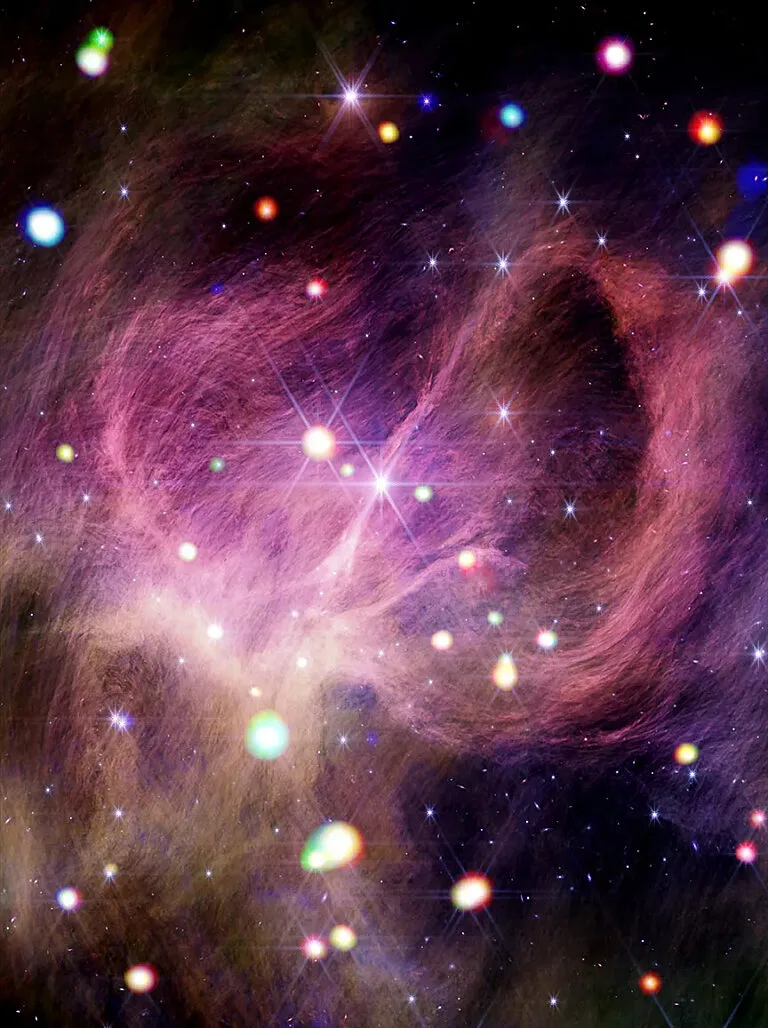
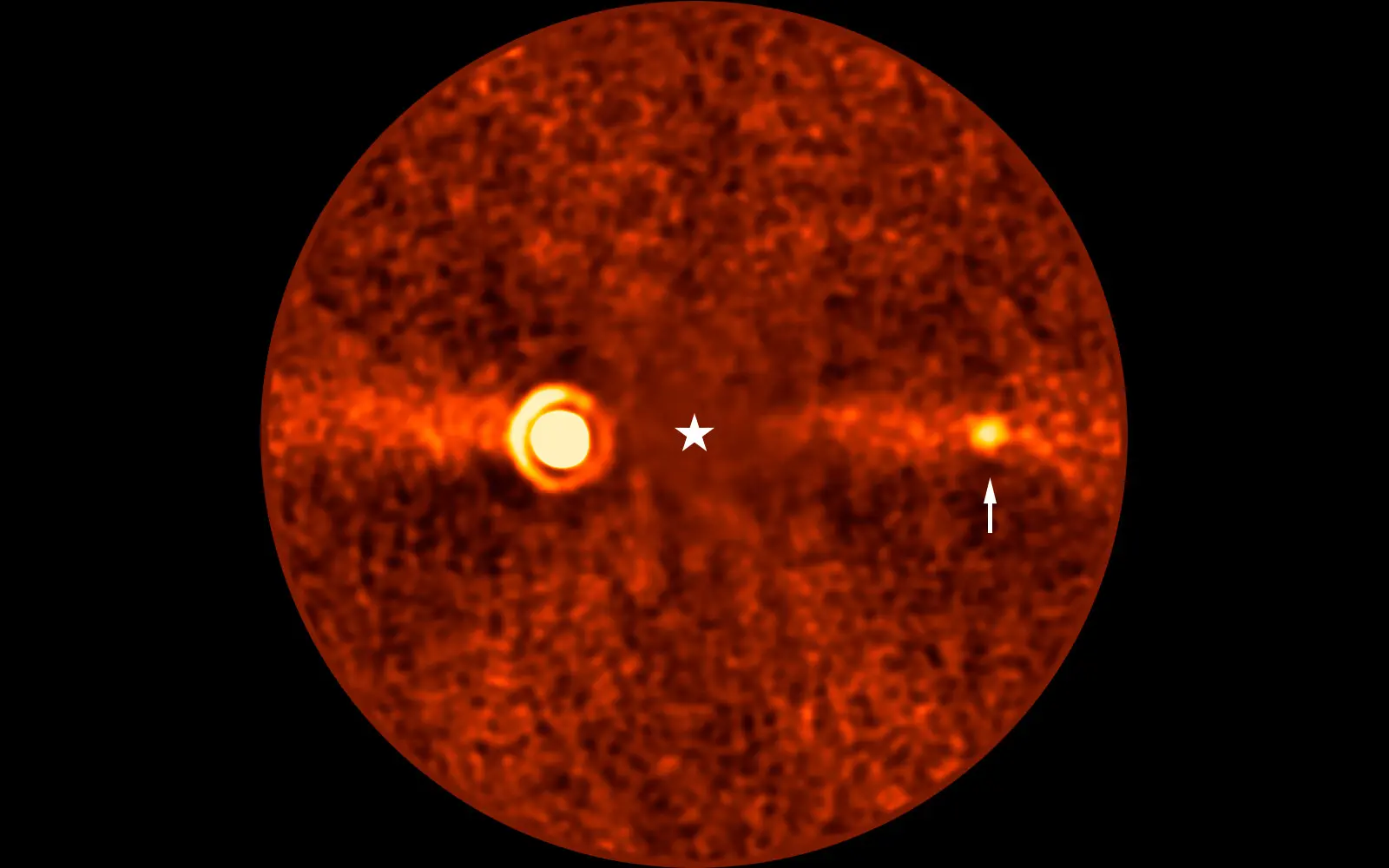
X-ray: NASA / CXC / SAO; Infrared: NASA / ESA / CSA / STScI; Image Processing: NASA / CXC / SAO / J. Major
At NASA and other agencies, the government shutdown has resulted in halted payments for employees, contractors, and grant recipients. Roughly 85% of NASA’s remaining civil servants are now on furlough, says Dreier, with the other 15% encompassing those who work on missions deemed critical by the Trump administration (that is, the Artemis initiative and the accompanying Human Landing System), operate the basic functions of spacecraft and satellites, run long-term tests, or maintain the International Space Station.
But unique to the agency are an abundance of long-term missions for which halts in financing and progress can disturb timelines. For solar system missions with tight launch windows, for example, engineering pauses, delayed parts deliveries, or backlogged payments pose special risks. And new mission selection processes can be halted as funding in the near future becomes unclear.
“Space missions simply require careful budget planning years in advance and cannot withstand these kinds of perturbations in their running budget,” says astrophysicist Ehud Behar (Technion - Israel Institute of Technology) over email. Shutdowns can result in “much longer delays, higher costs, or even cancellations.”
As such, Dreier hopes for “a bump versus a chasm” in funding.
Another concern brought by the shutdown is further reductions-in-force, or RIFs. While civil servants like those at NASA are guaranteed backpay, the Trump administration has threatened to enact mass layoffs during the shutdown, especially for programs that Democrats tend to favor.
The administration has provided “no details of what that means for NASA at all,” says Dreier, noting that NASA has already lost a fifth of its workforce due to previous RIFs and early resignations.
For space scientists at universities across the country, job security is less of an issue than halted grant and contractor payments, which can often make up a significant portion of their salaries. The disruption “has affected the calculus in terms of availability of money,” says ultraviolet astrophysicist Stephan McCandliss (Johns Hopkins University), who leads sounding rocket efforts associated with NASA. “I probably will be going to the university with my hand out, asking for a little bit of extra funding to make sure that we can get through this next launch.”
Theoretically, when the federal government reopens, that should signal an agreement on NASA funding that, as of the most recent congressional negotiations, keeps levels similar to 2025. The funding package could also likely be a “Continuing Resolution,” an extension of the actual 2025 funding levels that gets passed to kick the negotiations can down the road for up to one year. But a strongly-worded report from the Senate Committee on Commerce, Science, and Transportation indicates that the White House Office of Management and Budget (OMB) has instead been illegally directing NASA to align its 2026 spending with the President’s budget request — a document that slices NASA science nearly in half.

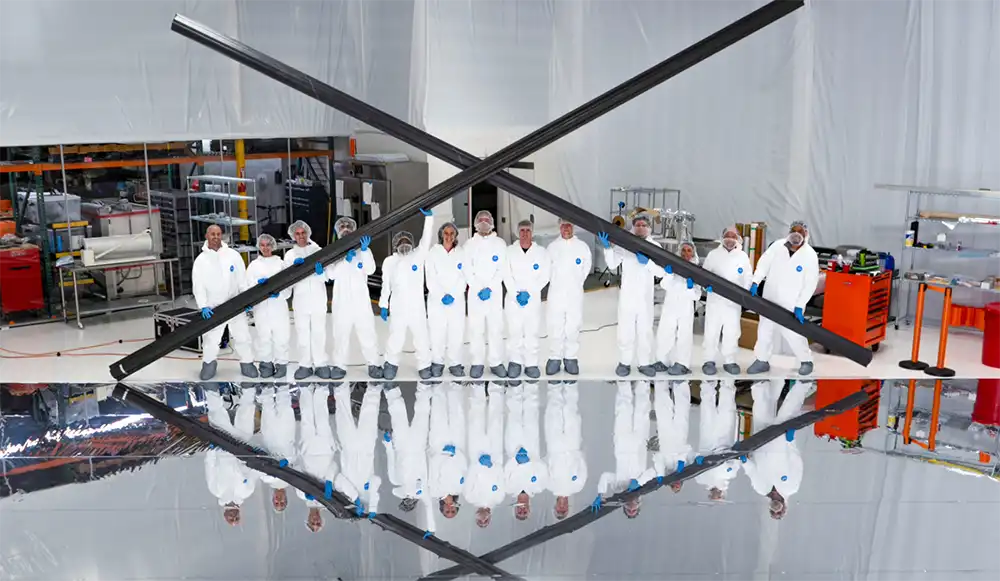
The Planetary Society
The Senate report, released in September and based on whistleblower accounts and leaked documents, highlights a culture in which “nothing is written down,” and where the message has been “If it’s not in the PBR, it does not count.”
While the report has justifiably scared the community, it doesn’t seem to be the final say. A NASA memo dated September 26th and shared with Sky & Telescope states that “in the event of a Continuing Resolution,” the Astrophysics Division “plans to align with the FY 2026 House Appropriations Committee,” which ensures “normal operations” for much of NASA science.
Why the switch-up? “We don’t know exactly,” says Dreier, who notes that the report was compiled over the summer and, since then, NASA leadership has experienced personnel changes, and both the House and Senate have put forward appropriations legislation that far surpasses what President Trump proposed for the agency. “Of course, I think it would have helped if NASA had been much more transparent with this from the get-go.”
As with so many other policy decisions since January, uncertainty and unease seem to be the throughlines for scientists, who are following the news now more than ever. “Even if you think that science as a study is apolitical, your funding comes from the government,” says Harrison. “You can't just sit in your lab and think that this doesn't impact you, because it's very clear now that it does.”
About Hannah Richter
Hannah Richter is a freelance Earth, space, and science policy journalist based in Washington, D.C. In addition to Sky&Telescope, her work has appeared in Science, Nature, Scientific American, Popular Mechanics, Smithsonian, WIRED, Science News, Ars Technica, and Sierra, among others. She has also written an e-book for NASA's Fermi Gamma-ray Space Telescope and is an alumna of MIT's Graduate Program in Science Writing.



Comments
terryharan
October 4, 2025 at 2:03 pm
The photo is of Io, not Juno.
You must be logged in to post a comment.
Monica Young
October 6, 2025 at 10:32 am
Thanks, Terry, we've fixed this typo!
You must be logged in to post a comment.
You must be logged in to post a comment.