 SUNSET:

 0
0The European mission to Jupiter’s icy moons provided us with some amazing views closer to home, of Earth and the Moon.
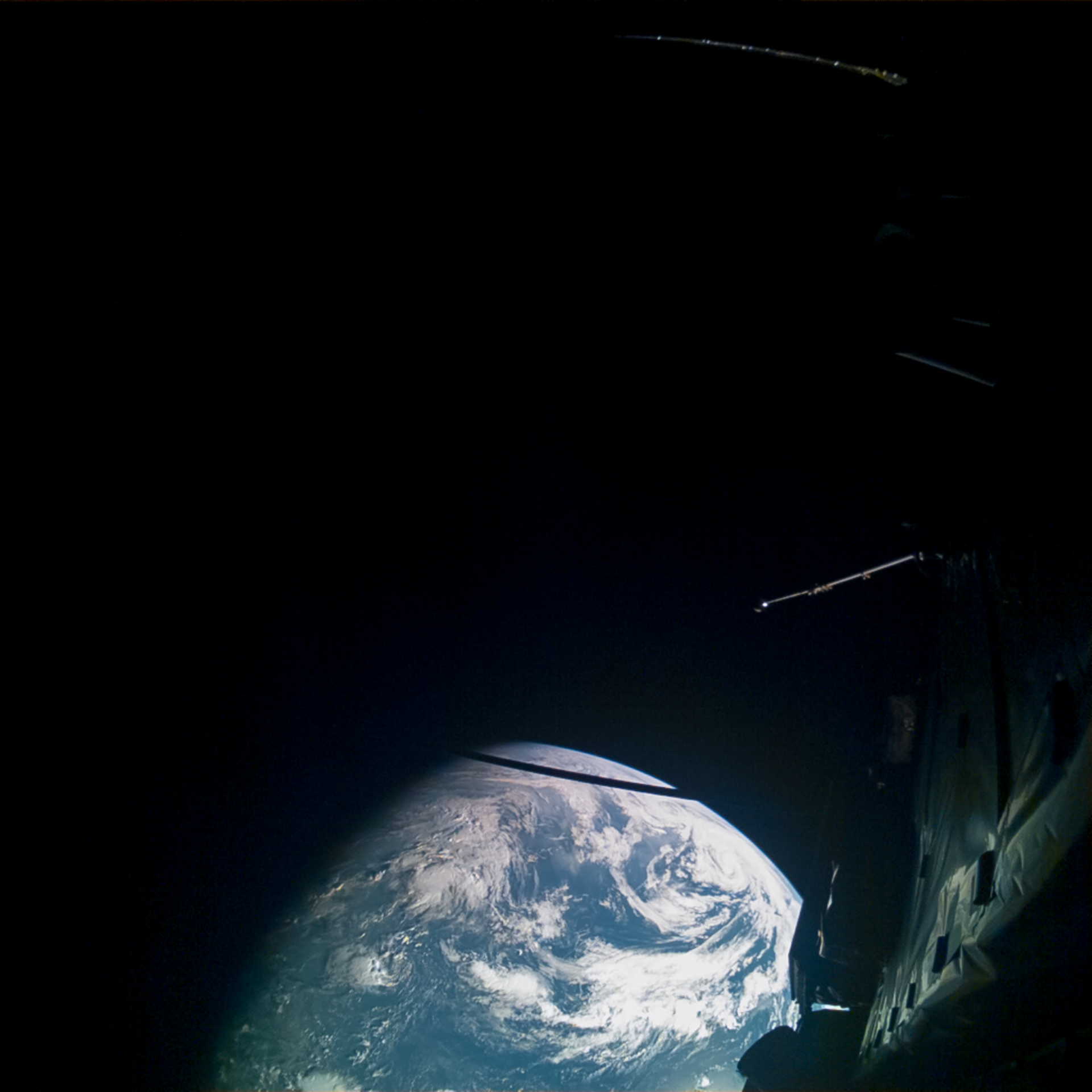
ESA / Simeon Schmauß / Mark McCaughrean
An intrepid interplanetary traveler paid our planetary neighborhood a visit early this week. The European Space Agency’s Jupiter Icy Moons Explorer (JUICE) slingshotted around the Moon and Earth on Monday and Tuesday night. The mission's trajectory is taking it on a complex path through the inner solar system en route to Jupiter.
Though other missions, including Cassini and BepiColombo, have utilized Earth flybys, this week’s event was the first-ever Lunar-Earth Gravitational Assist. The Moon's involvement in the flyby resulted from last year’s launch window, which had the worlds lined up like a trick billiard shot 16 months later.
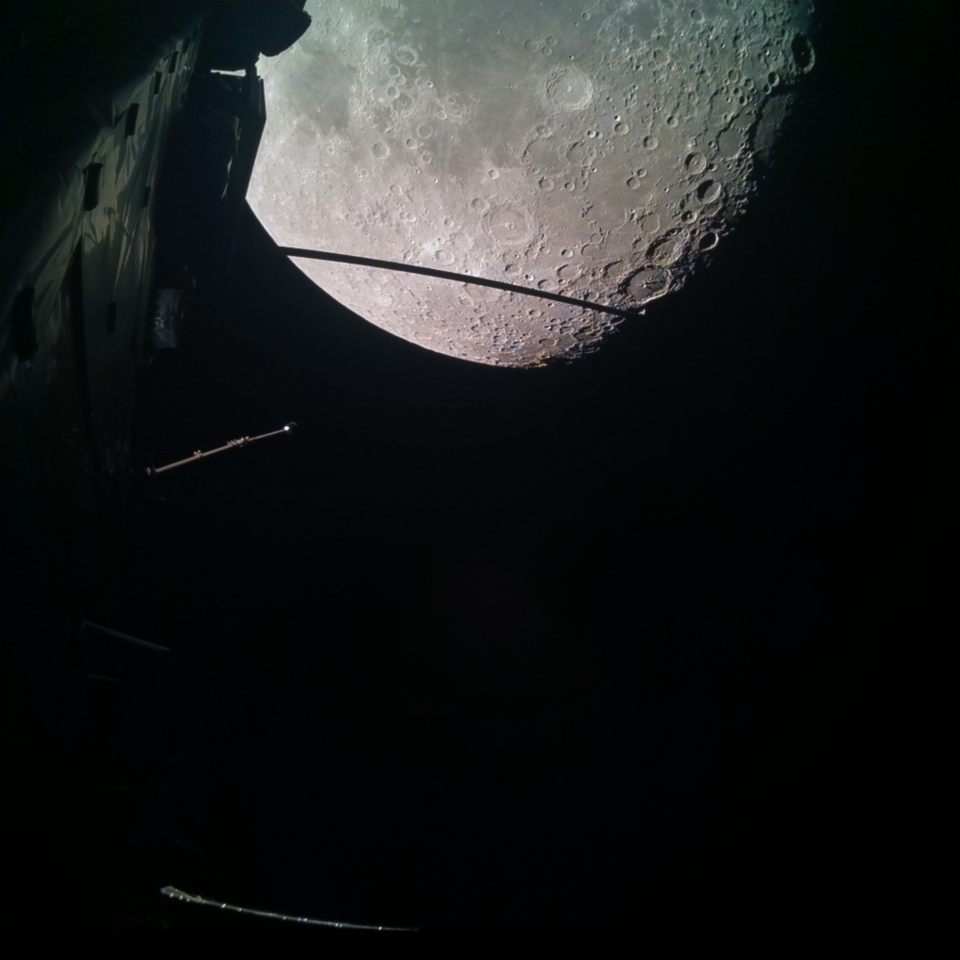
ESA / Simeon Schmauß / Mark McCaughrean
The flyby 700 kilometers (435 miles) from the surface of the Moon occurred on August 19th at 21:15 Universal Time (UT). The Earth flyby over eastern Asia and the Pacific occurred in the daytime just over 24 hours later, at 21:56 UT, taking the spacecraft 4,250 miles (6,840 kilometers) from our planet's surface. Next on the docket: Venus.
ESA has successfully completed the world’s first ever lunar-Earth flyby, sending #ESAJuice on a shortcut to Jupiter via Venus 👋🛰️
As we wave goodbye to Juice once again, discover how it happened and admire some of our favourite images 👉 https://t.co/Ps5blACM54 pic.twitter.com/tuKsO3Xn2X
— ESA's Juice mission (@ESA_JUICE) August 21, 2024

Gianluca Masi / The Virtual Telescope Project
The pass by the Moon altered the mission's heliocentric velocity (its speed relative to the Sun) by 0.9 kilometers (0.6 miles) per second, while the change in velocity during the Earth pass was 4.8 kilometers per second. The spacecraft's path was deflected by about 100 degrees. ESA’s worldwide Estrack network monitored the spacecraft throughout the flybys.
“The gravity assist flyby was flawless, everything went without a hitch, and we were thrilled to see JUICE coming back so close to Earth,” said the mission's Operations Manager Ignacio Tanco (ESA) in a recent press release.
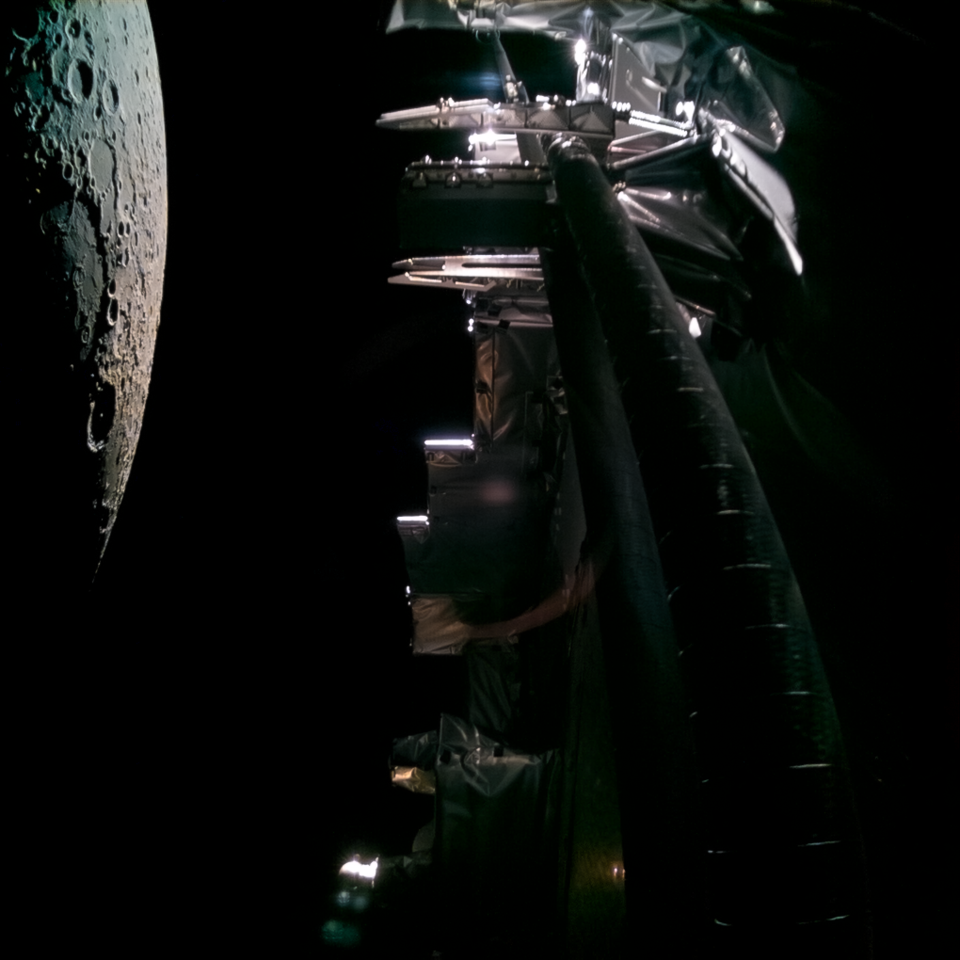
ESA / Simeon Schmauß / Mark McCaughrean
A planetary flyby is a delicate orbital ballet to pull off, but it’s worth it: the maneuver saves on fuel, well worth it for a heavy spacecraft. (The launch mass was 6,070 kilograms (13,380 pounds), and the maneuver saved between 100 and 150 kilograms of fuel. The launch and course corrections were on point, such that engineers now say that the spacecraft will be able to come closer to Jupiter’s large moon Ganymede than originally planned.
ESA
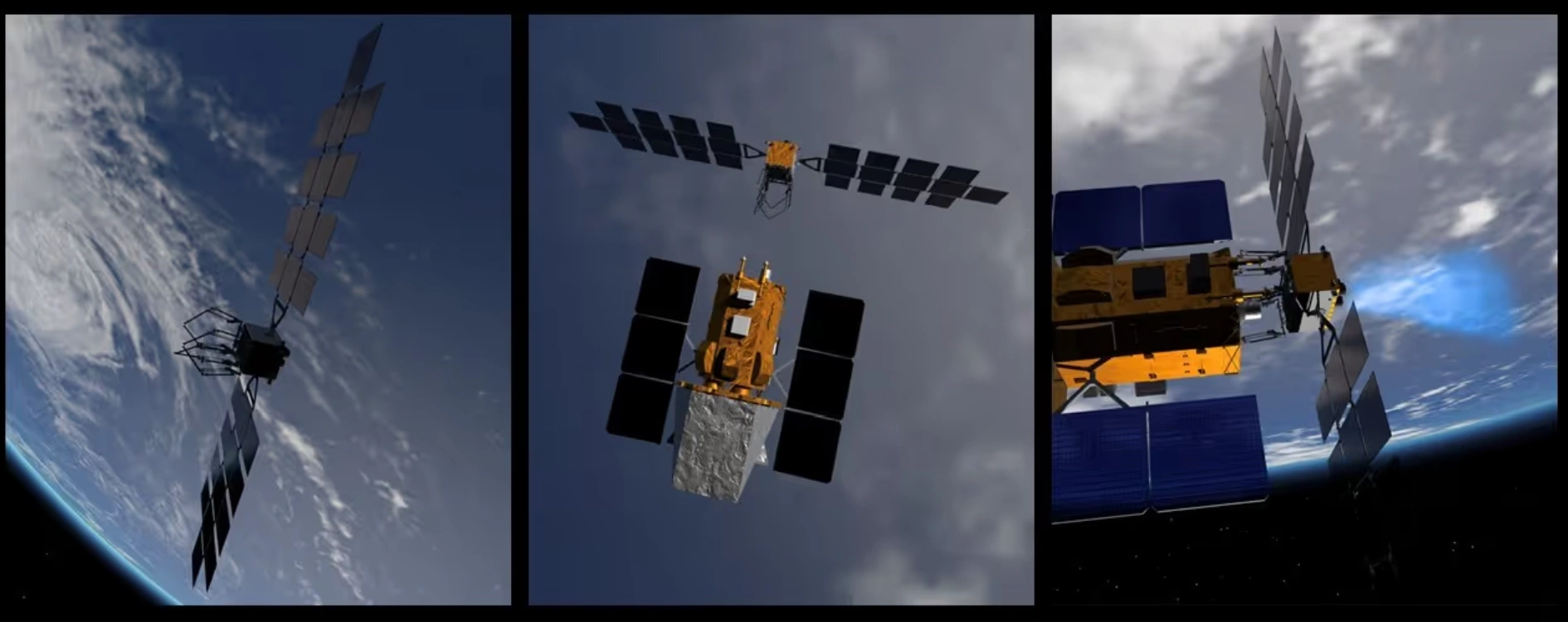
The flyby provided a key test and calibration phase for JUICE's instrument packages. The mission turned on eight of 10 science instruments during the pass, including the high-resolution JANUS imager that will later be used to map the surfaces of Jupiter's moons. Also of special interest was the performance of the Radar for Icy Moons Exploration (RIME), which will measure the moons by radar sounding. Its antenna was initially stuck on deployment, and it may be getting interference from other instruments onboard the spacecraft.
“All RIME activities were conducted successfully during the Lunar-Earth Gravity Assist, and we gathered a significant amount of science data from the entire payload complement,” Tanco says. “We still need several days to down link all the stored files, and then the instrument teams will devote themselves to analyzing the data in detail. It will take several weeks before we can make a statement about RIME’s performance.”
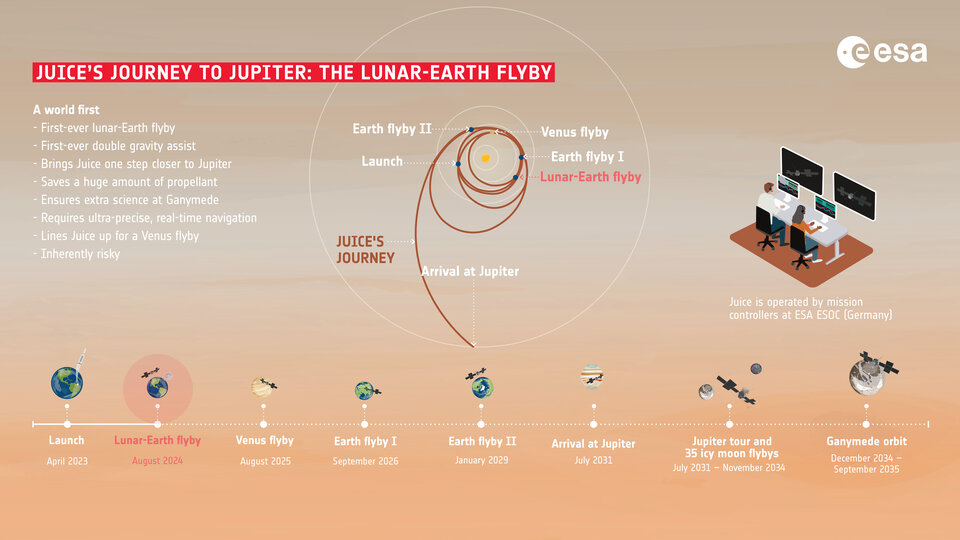
Now, JUICE will head towards another flyby, this time passing Venus a year from now on August 31, 2025. That will then line the mission up for two more Earth flybys: One in 2026 and another in 2029. JUICE will arrive in the Jovian system in 2031, just after NASA’s Europa Clipper, which launches this coming October and takes a more direct route to the giant planet. JUICE will end its days in orbit around Ganymede, with eventual disposal and impact on the moon in 2035.

ESA / Simeon Schmauß / Mark McCaughrean
Farewell for now, JUICE . . . we’ll see you again in 2026.
About David Dickinson
David Dickinson is a freelance science writer, high school science teacher, retired enlisted U.S. Air Force veteran and avid stargazer. He currently resides with his wife Myscha in Bristol, Tennessee. David also writes science fiction in his spare time. He posts as @AstroDave on BlueSky about space news and sky-watching worldwide.



Comments
You must be logged in to post a comment.