 SUNSET:

Stargazing Blogs
Here's an index to the Stargazing blogs written from 2007 to 2011.
The Belt of Venus
This pink border lining Earth's shadow opposite the just-set or about-to-rise Sun is often seen but rarely recognized.
Thoughts about Pluto
Eighty years ago, Clyde Tombaugh discovered Pluto while comparing two photographs taken a few weeks earlier. How does his discovery look in light of our current knowledge?

Venus, Jupiter, and Vesta
Venus and Jupiter have a close but difficult conjunction shortly after sunset on Tuesday, Feb. 16. And after the sky gets dark, you have an unusual chance to see an asteroid with hardly any effort at all.

Thoughts about Star Charts
The author ponders the dilemmas of providing star charts for observing articles in Sky & Telescope.
Double-Star Resources
Here are some handy reference works for people who love to observe double stars and want to expand their horizons.
The Joy of Double Stars
Double stars are fun, quick, and easy to observe.
My First Grazing Occultation
It's great when an astronomical event far exceeds your expectations.
More on Scopes and Binoculars
What sized telescope is equivalent to a pair of 70-mm binoculars? To some extent, this is a question without an answer — like comparing apples to oranges. But for some purposes, 70-mm binoculars can actually do better than a 100-mm scope. In other words, the human brain sometimes gets better results combining the light seen through two eyes than you can get by doubling the light seen through one eye.
Cosmic Relief with David Grinspoon
Another Giant Leap
Thanks to amateur astronomers, humanity has crossed a threshold to the age of continuous monitoring of solar system events.
Paradoxical Messier 33
Messier 33, which rides high in the sky on late-autmun evenings, can be the most rewarding or frustrating of all galaxies, depending on your conditions and your mindset.
Chainsaw Astronomy
Cutting down trees to get a better view of the night sky can be a surprisingly emotional issue.

Doing Deep-Sky Wonders
It's hard to find a better way to spend an hour or two outside on a clear, moonless night than viewing the targets from the latest Deep-Sky Wonders column through a telescope.
Hiking Under the Stars
The view from New Hampshire's Mount Guyot: Venus blazes above the glow of the impending sunrise.

Cosmic Relief with David Grinspoon
Back to the Future, This Time to Stay
The launch of LRO sets the stage for future human Moon exploration.
Cosmic Relief with David Grinspoon
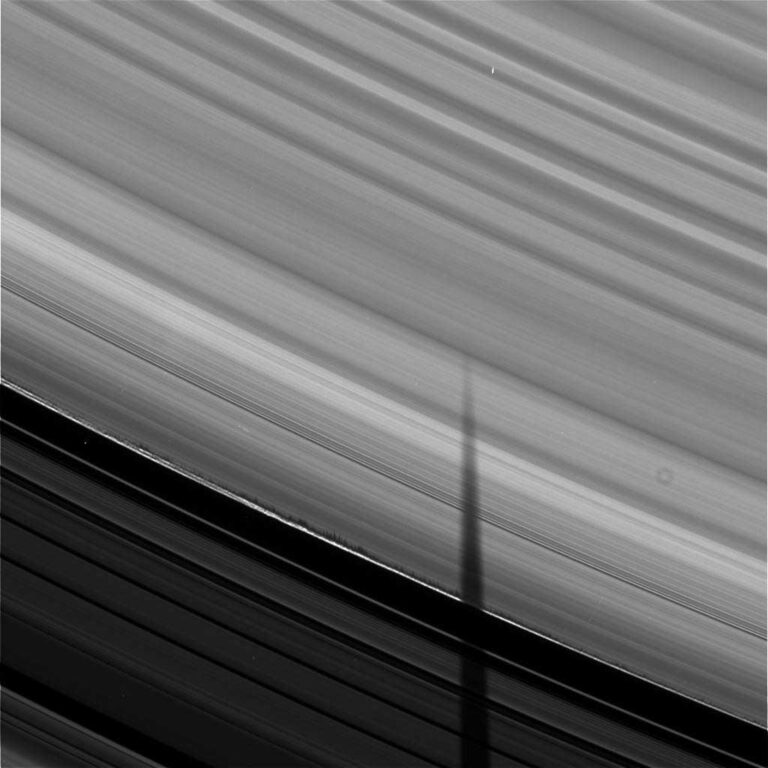
My God, It’s Full of Moonlets!
A recent discovery blurs the line between amateurs and professionals.
Light Pollution in North America
According to the Light Pollution Atlas, there's a fourfold variation in light pollution per capita among metropolitan areas in the U.S. and Canada.

Grand Canyon North-Rim Star Party 2009
The Grand Canyon Star Party is one of the largest public star parties in the United States.
The University of Arizona Astronomy Camp
This year's Astronomy Camp at the University of Arizona moved to Kitt Peak National Observatory and the 90-inch Bart J. Bok Telescope.
Light Pollution Per Capita
The amount of light pollution generated per person varies greatly from one country to another.
