 SUNSET:

 5
5Astronomer and comet-hunter Alan Hale passed away on Saturday, June 6th, at 68 years old in his home in Cloudcroft, New Mexico.
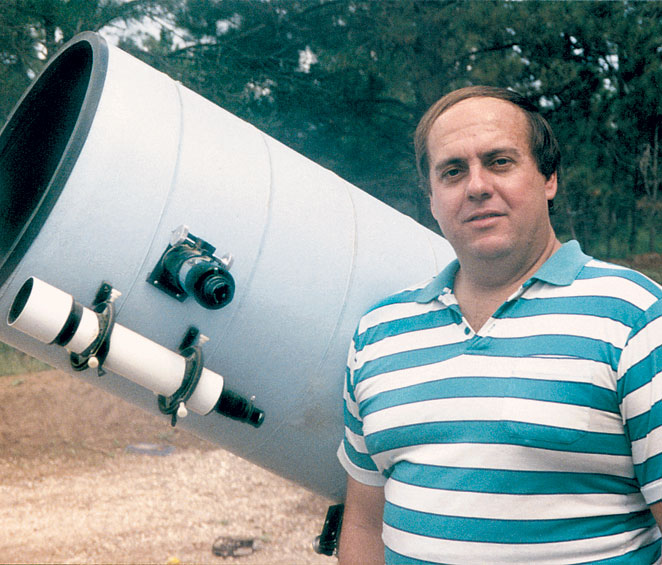
S&T Archive / Courtesy Alan Hale
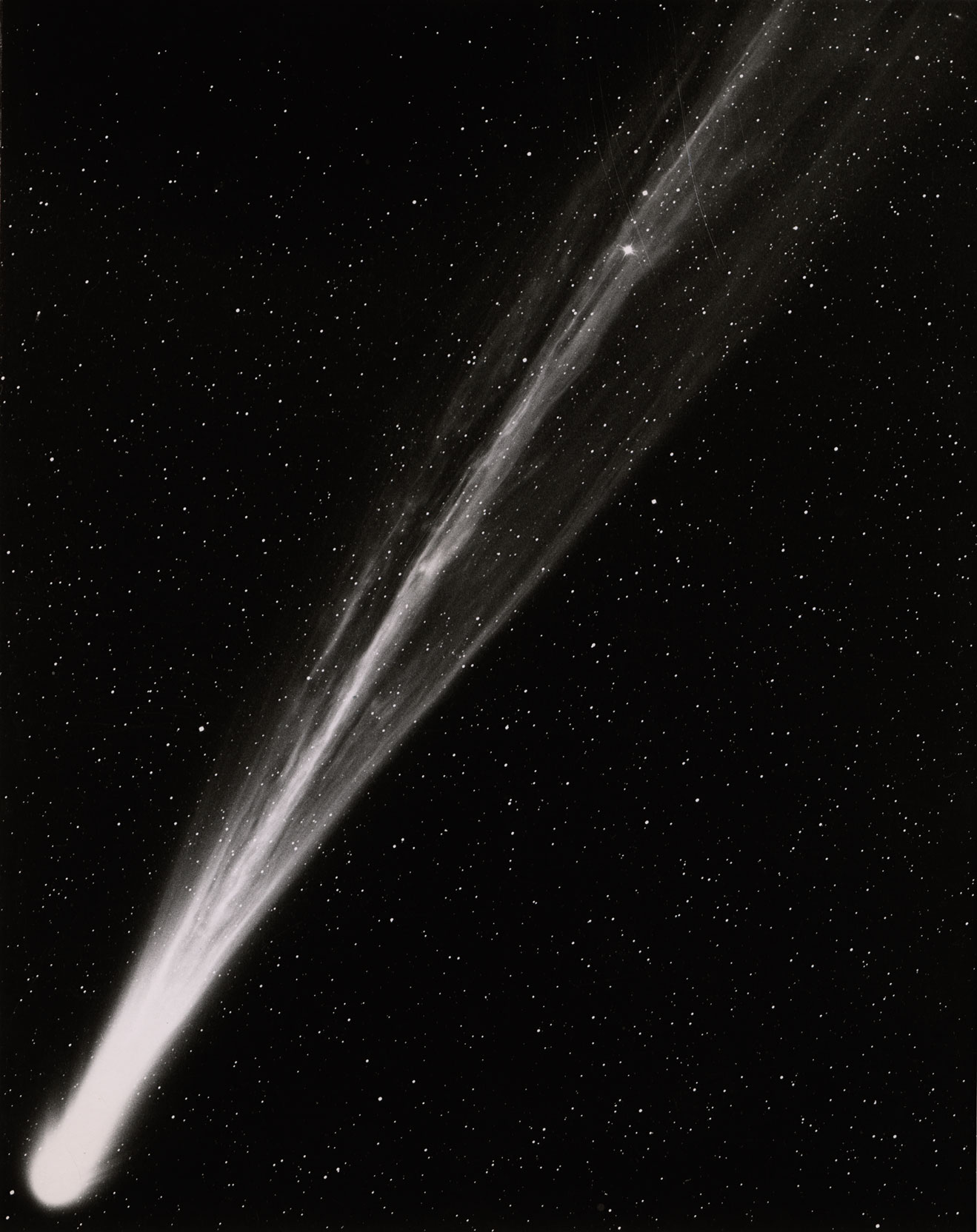
Best known for his co-discovery of Comet Hale-Bopp (C/1995 O1) in July 1995, Hale was introduced to cometary observing by an article on Comet Tago-Sato-Kosaka (C/1969 T1) in the February 1970 issue of Sky & Telescope. After observing it in his 4½-inch Sears reflector and then seeing Comet Bennett (C/1969 Y1) two months later, Hale was hooked.
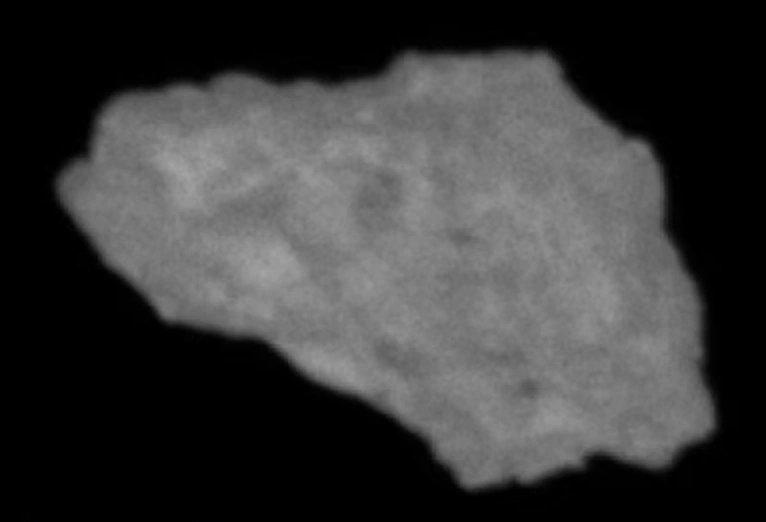
Hale graduated from the U.S. Naval Academy’s physics program in 1980 and served for three years before joining the Jet Propulsion Laboratory, where he worked on the Deep Space Network for another three years. He then went on to get a PhD in astronomy from New Mexico State University in 1992. During this time (1991), Eugene and Carolyn Shoemaker named the asteroid 4151 Alanhale, in recognition of Hale’s careful visual comet observations.
S&T Archive
Upon graduation, Hale discovered that astronomical opportunities were limited. So he founded the nonprofit Southwest Institute for Space Research in 1993 (now Earthrise Institute). Utilizing astronomy to break down intercultural barriers, the company works to encourage global education and foster better opportunities for early-career astronomers.
By this time, decades of scanning the skies had caused Hale to give up hope of discovering his own comet. Recognizing his professional and familial responsibilities, Hale had stopped spending his nights searching for new comets, but he still held true to his goal of observing every comet he possibly could in his lifetime.
One fateful night in 1995, he had just finished observing Comet 71P/Clark and decided to glimpse a few globular clusters in Sagittarius while waiting for Comet 6P/d’Arrest to rise above the horizon. As he focused in on M70, he noticed a faint, diffuse object — a comet that would place his name in astronomical history books alongside Thomas Bopp’s.
Checking his star charts, his email, and the Central Bureau for Astronomical Telegrams (CBAT), Hale fully expected to find that someone else had already discovered the comet he’d spied. On finding all three databases devoid of any mention of a comet near M70, he sent an email to the CBAT team notifying them about his discovery.
At the same time, another amateur astronomer, Thomas Bopp, had spied the fuzzy smudge in his friend’s telescope, while observing from south of Phoenix, Arizona. According to Hale, spotty cell service forced Bopp to drive all the way home to send a telegram to the CBAT team — who were surprised to receive an actual telegram. So Hale’s email arrived first, receiving first billing on the comet, but it’s unclear who observed the comet first.
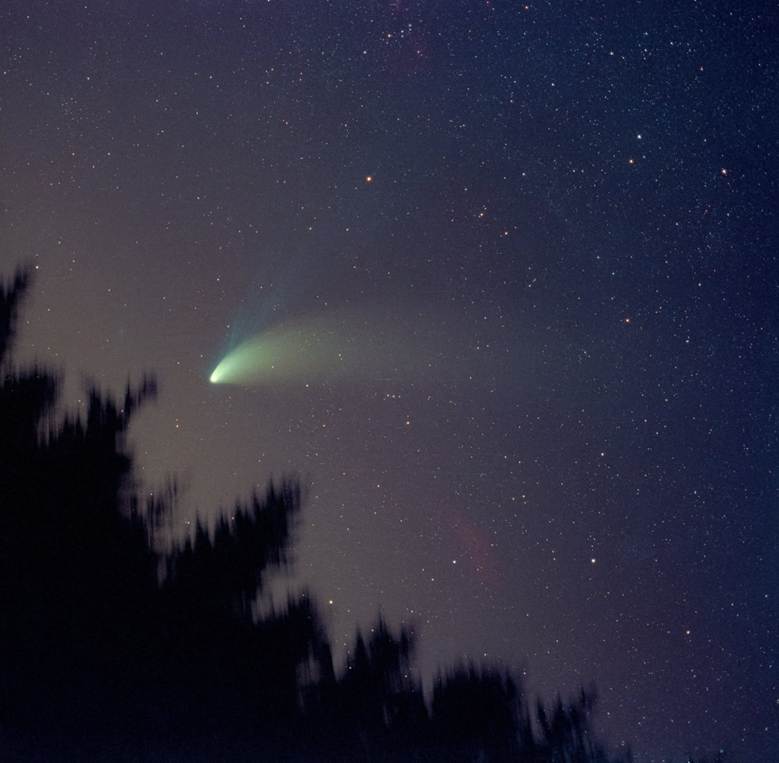
The two co-discoverers didn’t meet in person until years later, but their names will forever be inextricably linked to one of the greatest comet discoveries in modern times. By the time Comet Hale-Bopp brightened to magnitude -1 near perihelion in April 1997, the two observers had become overnight sensations.
Alan Hale went on to give many lectures and interviews, teach numerous online classes, and write countless articles and two columns for both newspapers and magazines, as well as three books: Everybody's Comet : A Layman's Guide to Comet Hale-Bopp (1996), Great Balls of Ice: A Century of Comets (2002), and The Comet Man: A Memoir (2015). From 2004-2006 he also hosted a weekly radio program called “The Other Side of the Sky.” As part of the Earthrise Institute’s initiatives, he completed two of what he called “science diplomacy expeditions” to Iran in 1999 and 2000 and a third to Zimbabwe (2001) to foster global comradery and scientific literacy.
Since 2020, Hale was working with Global Sky Partners to image comets and asteroids from the Las Cumbres Observatory; he also continued his advocacy work as president of the Earthrise Institute. Unfortunately, various age-associated health issues forced him to retire from regular visual comet observing as of 2025. According to the last count on the Earthrise website, he observed 533 separate comets in his lifetime. He is survived by his wife Vickie Stone Moseley Hale, his two sons Zachary and Tyler, and three grandchildren.




Comments
Collin
June 10, 2026 at 4:25 pm
A great astronomer has left us. His discovery, independently with Thomas Bopp, heralded the greatest comet of the 20th century, and of my life, at least so far. His voice for the advocacy of science will be missed.
You must be logged in to post a comment.
Robert Jacobs
June 12, 2026 at 11:19 am
RIP Alan Hale.
You must be logged in to post a comment.
Mtmoore
June 13, 2026 at 2:55 pm
I remember seeing Hale-Bopp and photographing it. I also spied it on a flight from Detroit to Frankfurt back in 1997.
RIP Mr Hale.
You must be logged in to post a comment.
Jim-Gasser
June 13, 2026 at 6:06 pm
I feel he’s a kindred spirit as he’s just about my age and I too was inspired by Comet Bennett and S&T magazine. Kudos to his ambassadorship for science around the world. A great loss, but a life well lived, I think…
You must be logged in to post a comment.
Anthony Barreiro
June 14, 2026 at 1:19 am
According to wikipedia Comet Hale-Bopp has an eccentricity of 0.995, aphelion 354 AU, and an orbital period of about 2500 years. When it returns to the inner solar system around 4500 CE, will humans still be scanning the heavens? Will they refer to ancient records and identify the fuzzball as the second known observation of Comet Hale-Bopp?
You must be logged in to post a comment.
You must be logged in to post a comment.