 SUNSET:


How Did This Peculiar Planet Pair Form?
A planetary odd couple — a mini-Neptune and a hot Jupiter — probably formed much farther away from their star before migrating closer in.
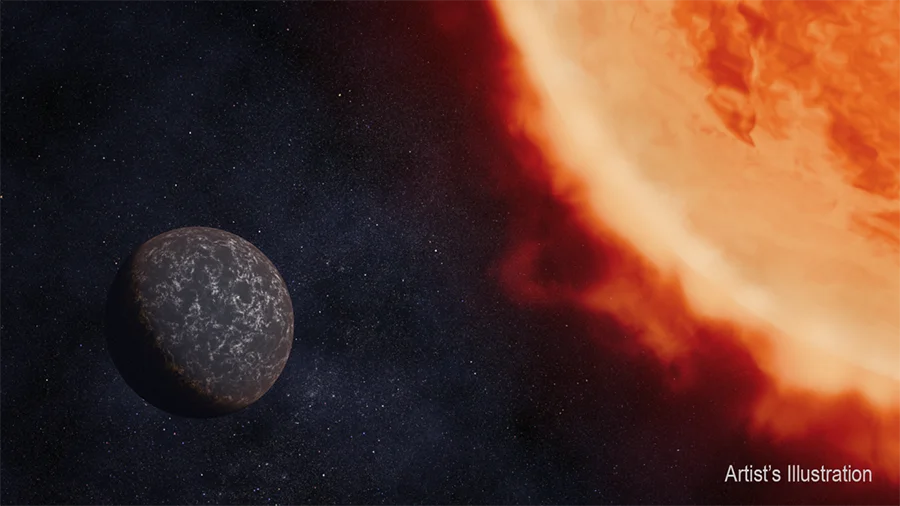
Nearby Super-Earth Has No Atmosphere and a Dark, Moon-like Surface
The James Webb Space Telescope has observed the surface of a bare rocky exoplanet, revealing old, dark rock akin to that on our Moon.
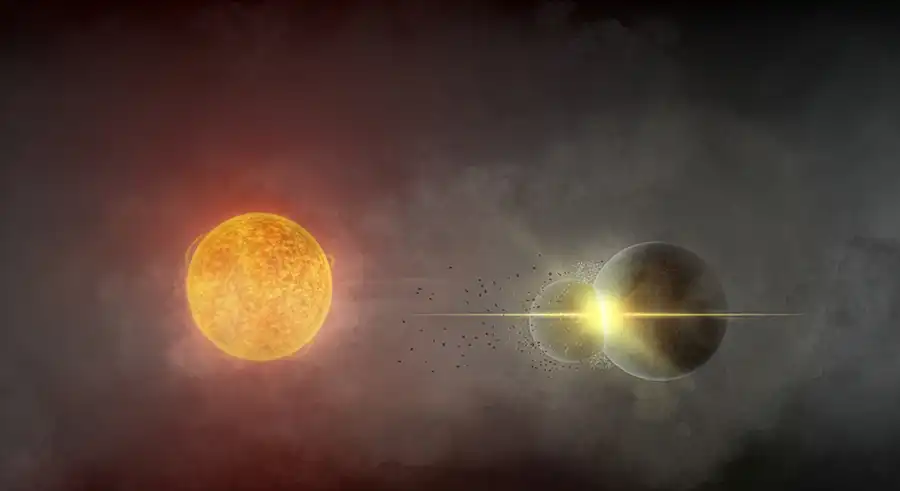
Planets Collide Around Young, Sun-like Star
Astronomers have uncovered evidence that two planets collided around a young star, revealing how giant impacts sculpt baby solar systems.
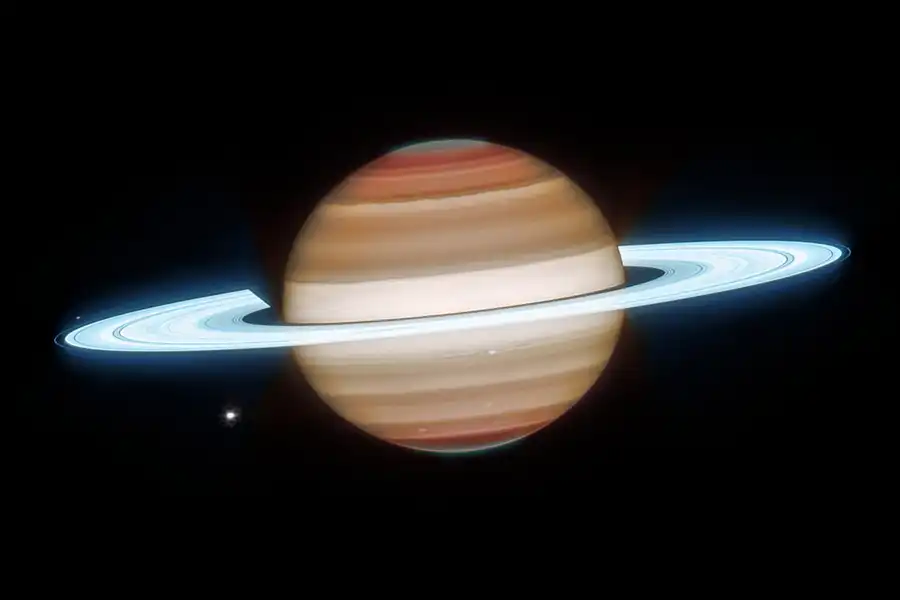
New Astro Images: Saturn, the Crab Nebula, and a Newborn Planet
Striking images from Hubble, Webb, and the Very Large Telescope dive into Saturn's atmosphere, capture the Crab Nebula's expansion, and reveal a newborn planet.
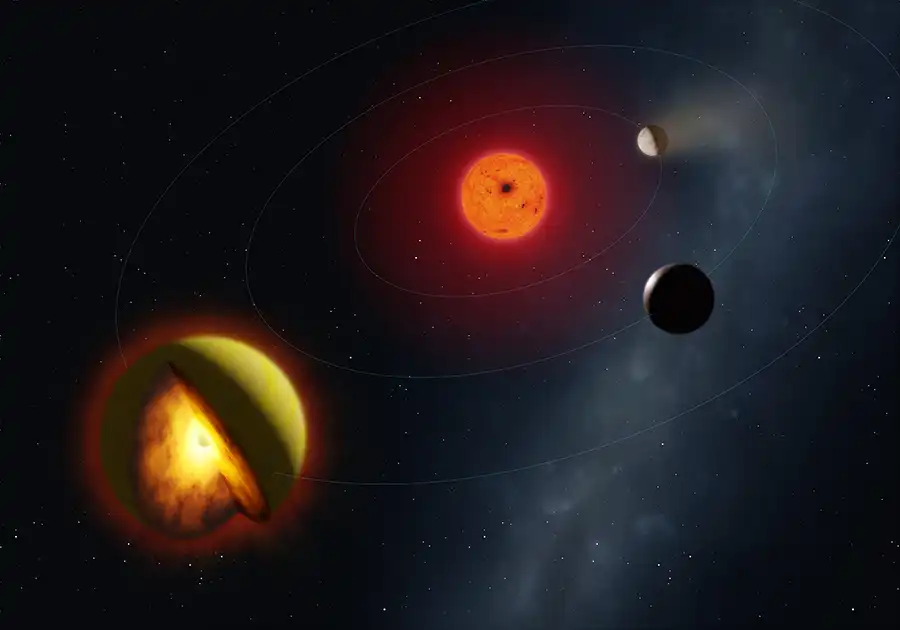
Molten Sulfurous World Blurs Exoplanet Categories
An oddly low-density planet isn't quite rocky or gaseous — instead, it might have a deep ocean of magma and a stinky, sulfurous atmosphere.
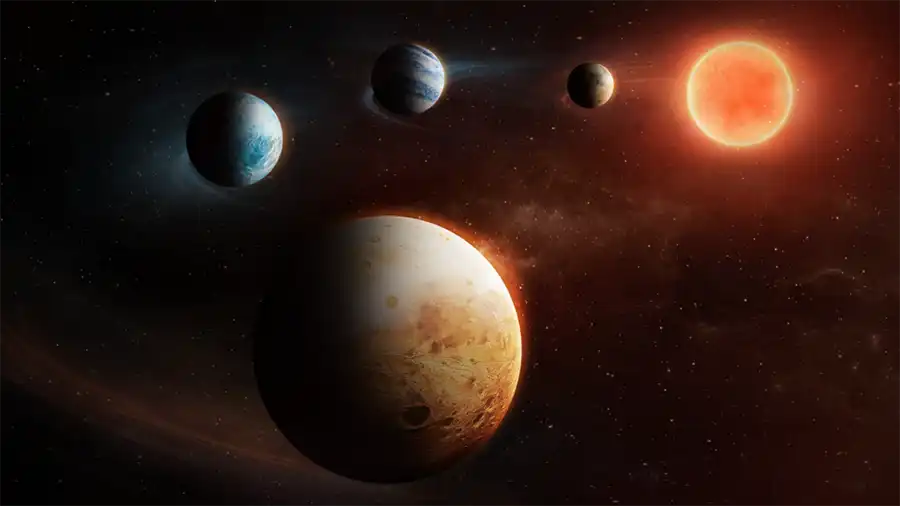
A Planetary System That Breaks the Rules
The unexpected arrangement of exoplanets around a star more than 100 light-years from Earth might change how we think about planet formation.
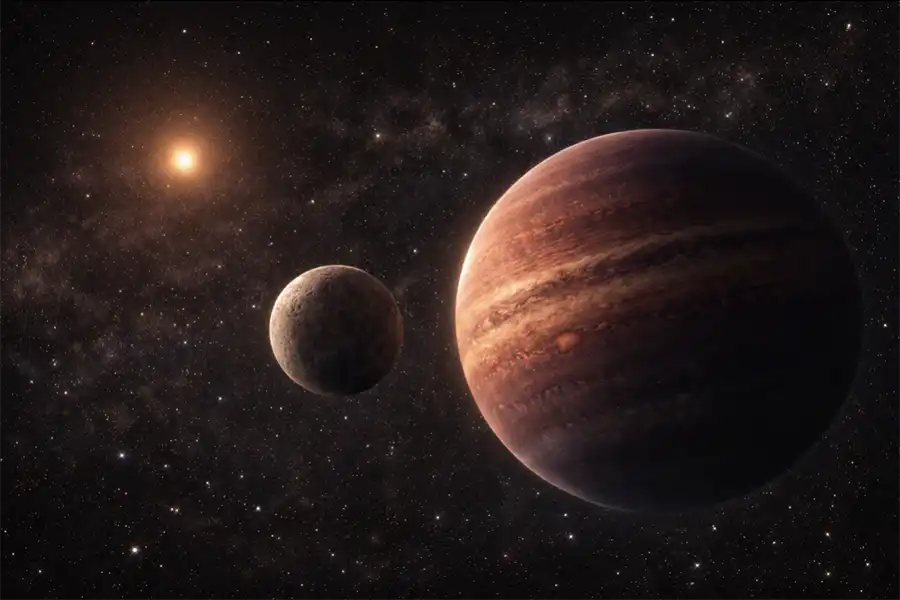
Astronomers Find Hints of an Exomoon
Astronomers might have found a moon half the mass of Jupiter orbiting in a nearby system, based on the wobbles of its host world.

Rogue Saturn Discovered Floating Through the Milky Way
Astronomers have measured the mass of a free-floating planet for the first time. Comparable to Saturn, it’s surprisingly massive for such rogue worlds.
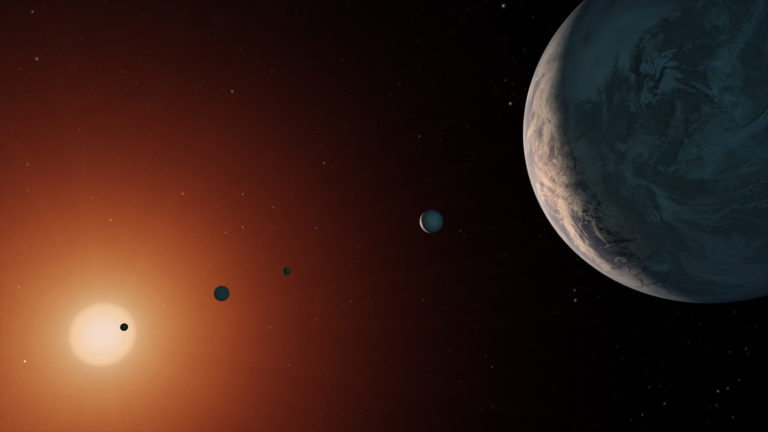
Webb’s First Look at TRAPPIST-1e Hints at a Titan-like Atmosphere
Observations from the James Webb Space Telescope suggest the planet might have a nitrogen-and-methane atmosphere — but more data are needed to rule out a bare rock scenario.
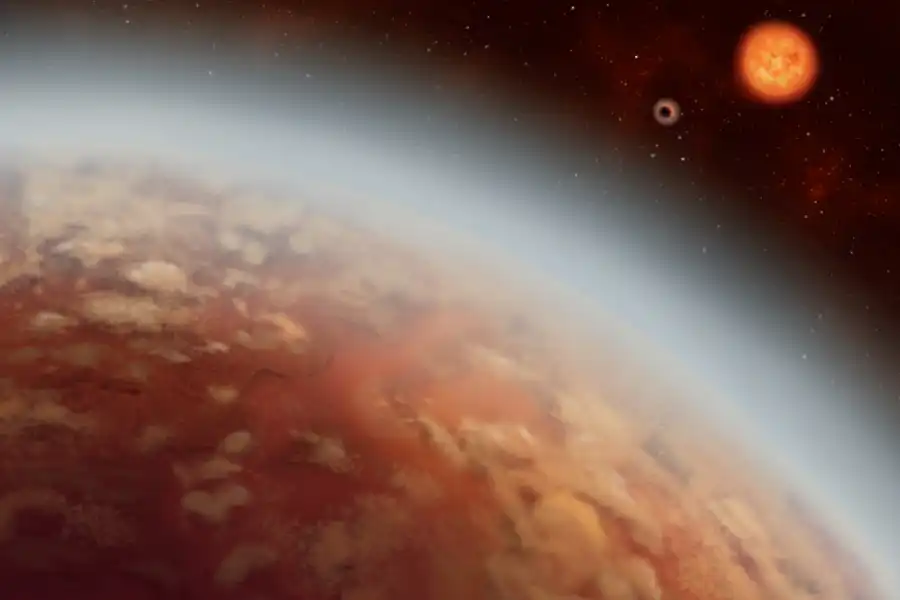
A Super-Earth Candidate Less Than 20 Light-Years Away
Astronomers have discovered a ready-to-image super-Earth candidate less than 20 light-years away.
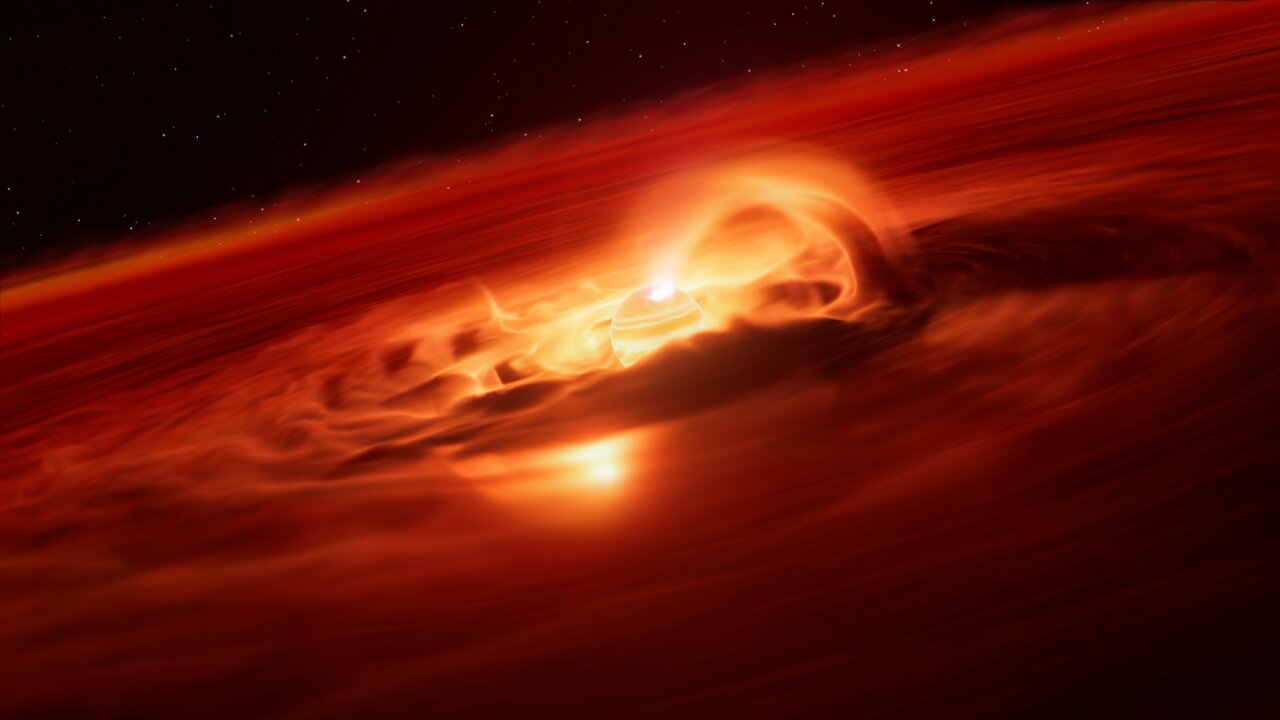
Rogue World Found Gobbling Material at Unprecedented Rate
Astronomers discovered a small, free-floating object that’s accreting matter at a breakneck pace, suggesting that some planet-size worlds could form similar to stars.
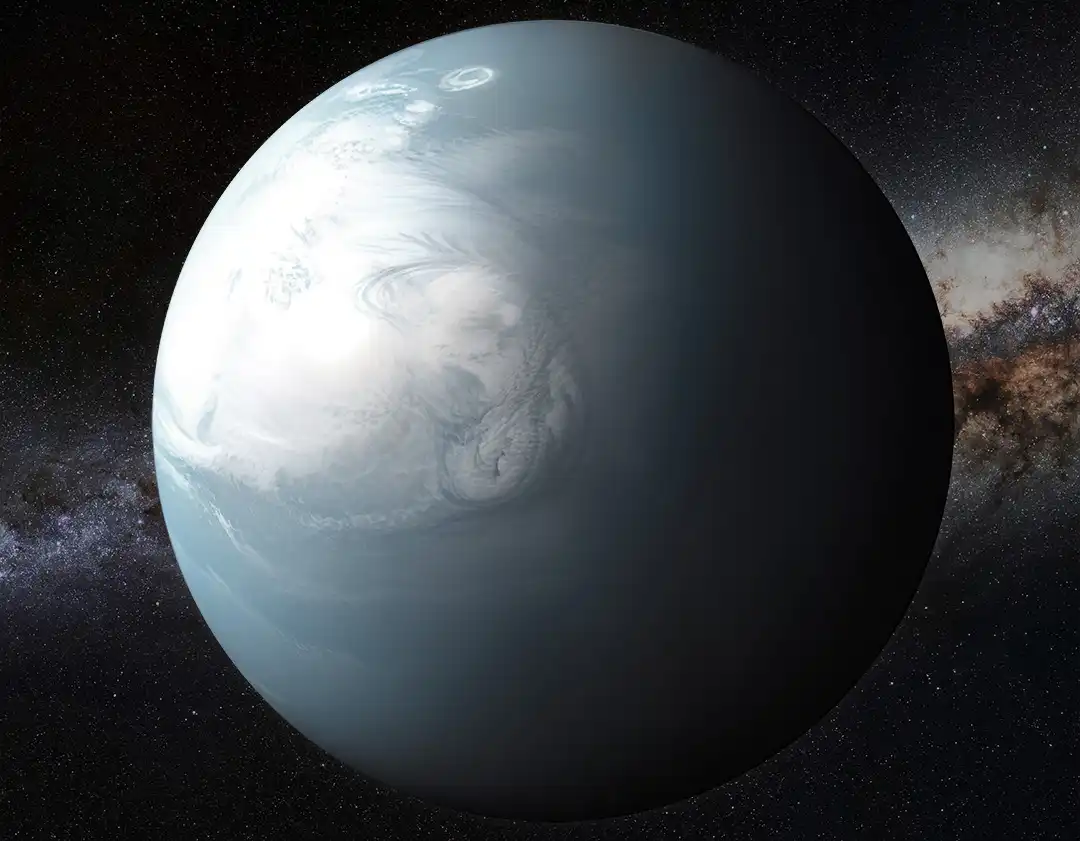
Water Worlds Might Be Few and Far Between
Primordial chemistry might destroy most of the water on sub-Neptunes; if so, there could be far fewer “water worlds” than previously thought.
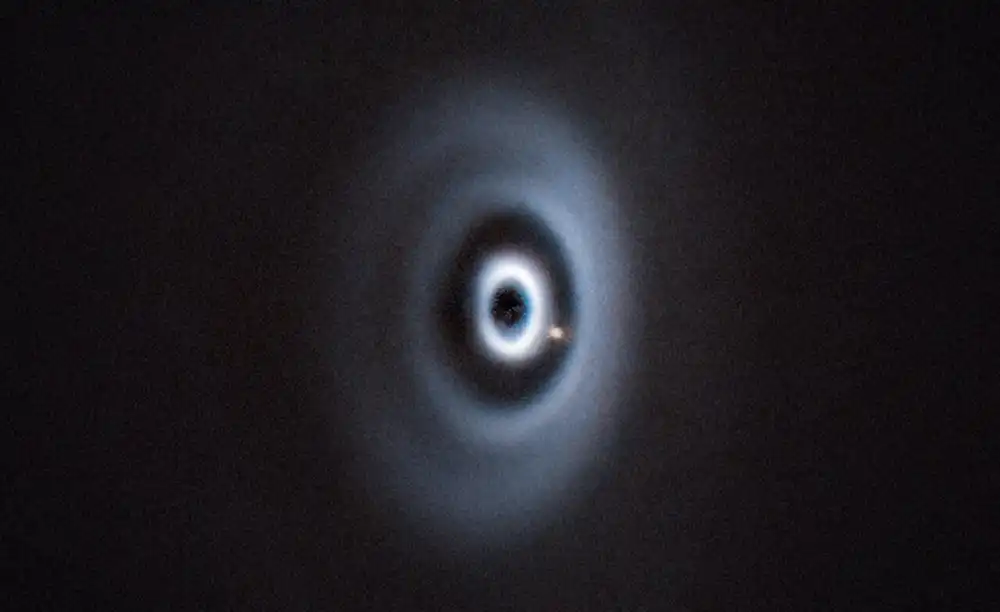
Baby Planet Clears Gap in Young Protoplanetary Disk
With the Very Large Telescope in Chile, astronomers have spotted a planet forming around a star 430 light-years away.
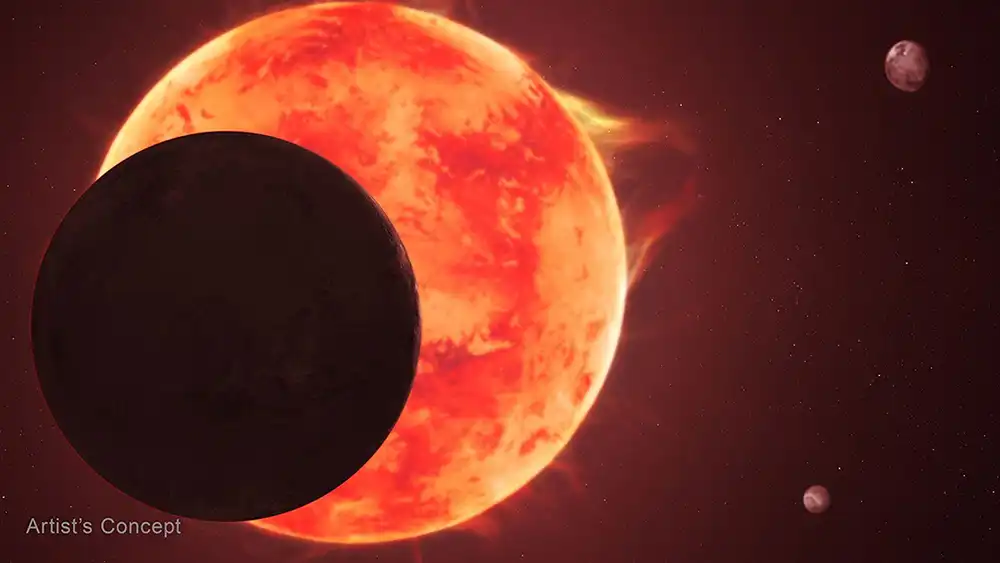
No Evidence for Atmosphere on Trappist-1d
New James Webb Space Telescope observations of the third world in the seven-planet TRAPPIST-1 system rule out a variety of atmospheres.
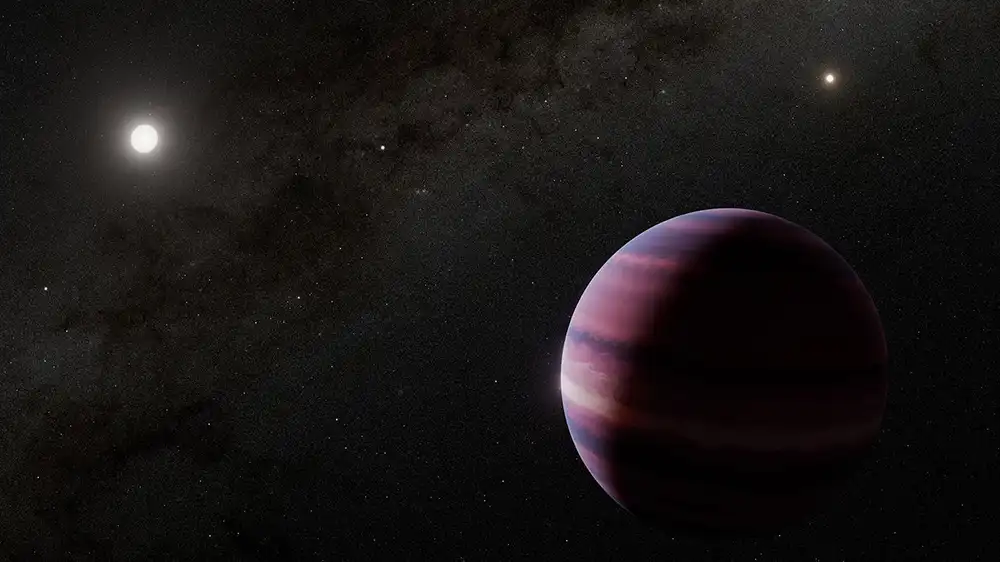
Alpha Centauri Might Have a Planet, Webb Telescope Finds
Direct images from the James Webb Space Telescope show what could be a Saturn-mass planet around Alpha Centauri.
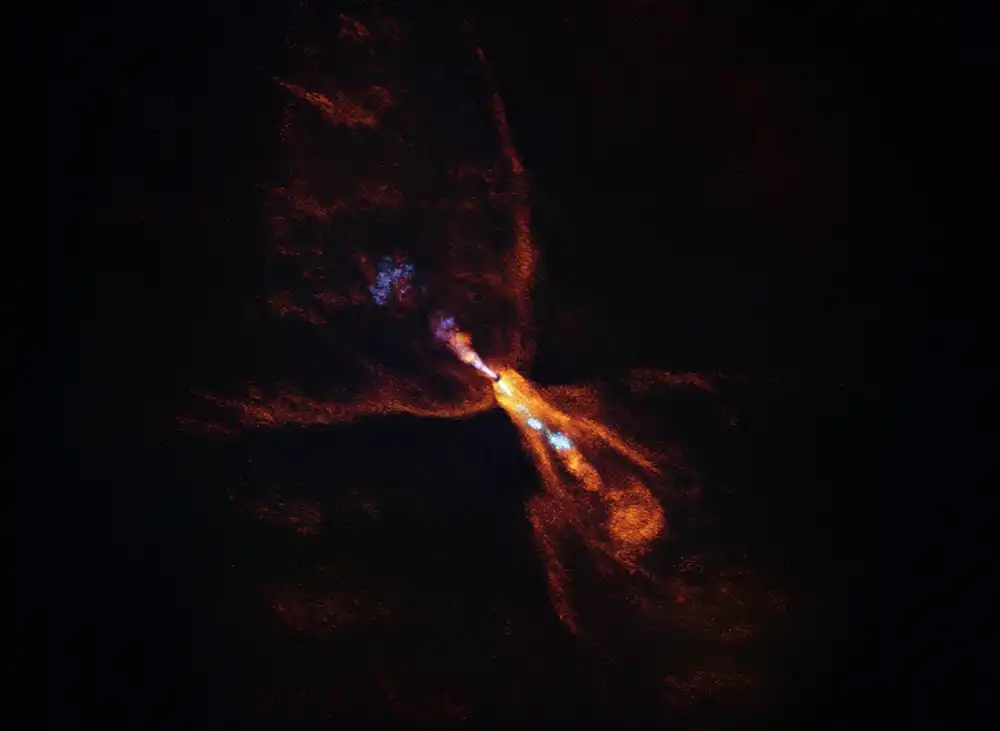
Webb Space Telescope Spies Baby Planetary System
Astronomers have found a baby system that’s just beginning to build planets — and it can tell us about how and where planet formation starts.
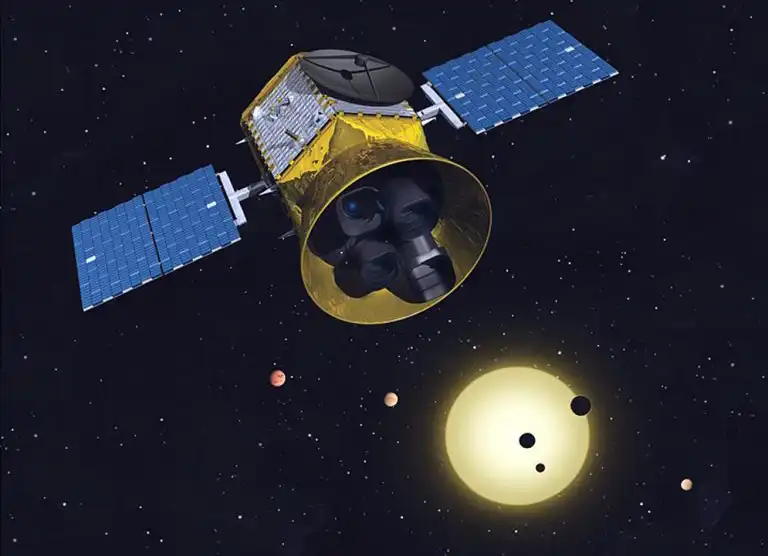
Some Planets Are Bigger Than We Thought
More than 200 planets in the TESS catalogs may be bigger than originally estimated — putting initially Earth-size planets into the super-Earth category.
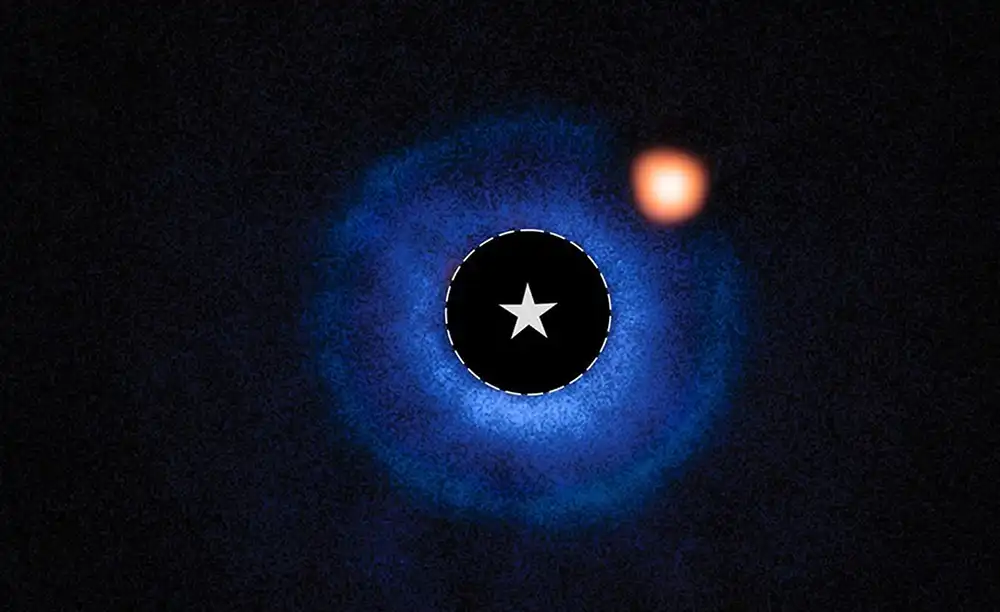
James Webb Space Telescope Discovers Its First Planet
The Saturn-mass planet candidate is probably newly formed and orbits a young star that's only 6.4 million years old.
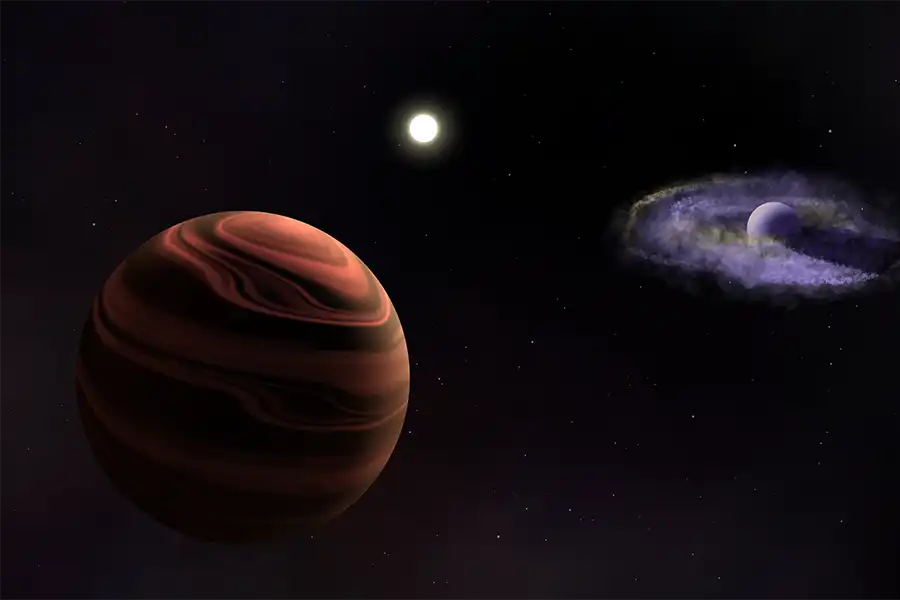
Silicate Clouds and a Dusty Disk in a Multi-Planet System
James Webb Space Telescope observations of two young planets 326 light-years away show a series of surprises.
JWST Sees a Unique Mini-Neptune — the First to Match Predictions
The sub-Neptune TOI-421b is made of much the same stuff as its star — matching predictions, but bucking the trend among other similarly sized planets.
