SUNSET:

 0
0What is a total solar eclipse?
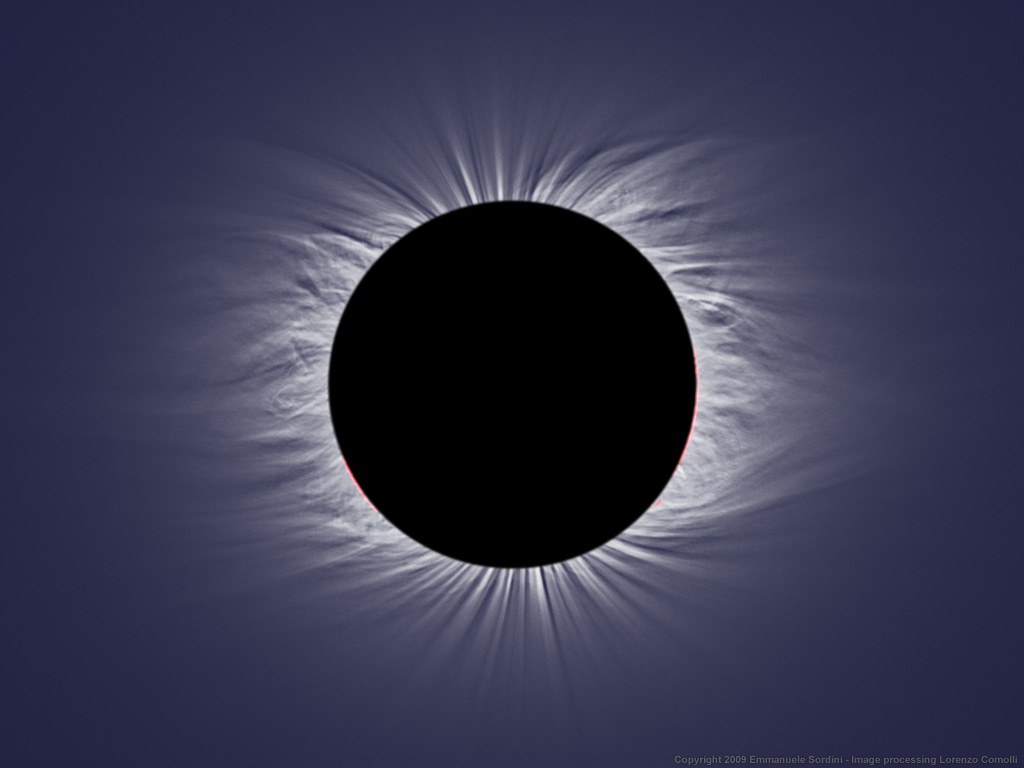
A total solar eclipse occurs when the Moon completely covers the face of the Sun as seen from Earth. Blotting out the Sun's brilliant disk allows us to see the day as if it were night, and it reveals the solar corona's ghostly wisps.
Find out more about how solar eclipses work.
When is the next solar eclipse going to happen?
The next total solar eclipse begins on August 12, 2026, at 15:34:15 Universal Time (UT), when the shadow touches down on the northernmost part of Greenland, and the Moon takes its first small bite out of the Sun. The Moon's shadow will trace a path of totality all the way from Greenland to Iceland, across the Atlantic Ocean, ending in Spain. The full eclipse begins at 16:58:09 UT; the longest totality will last is 2 minutes and 18 seconds. Hundreds of millions in the eastern U.S. and mainland Europe will see a partial eclipse, provided skies are clear.
Where's the best place to watch the 2026 solar eclipse?
The best location to watch the total solar eclipse will be on land in typically sunny Spain, but Greenland and Iceland offers intriguing aspects.
If you can't travel to the eclipse, you may see a partial solar eclipse instead, provided skies are clear. Many well-populated areas will see a deep partial as the Moon passes over most (but not quite all) of the Sun.
Read more about viewing the Sun safely.
After that, when's the next solar eclipse?
The next total solar eclipse occurs on August 2, 2027. The total phase of that eclipse will have a duration of a whopping 6 minutes and 23 seconds, the longest totality of our lifetimes. Viewers in northern Africa will experience totality, with many traveling to historic Luxor, where totality lasts the longest.