 SUNSET:

 2
2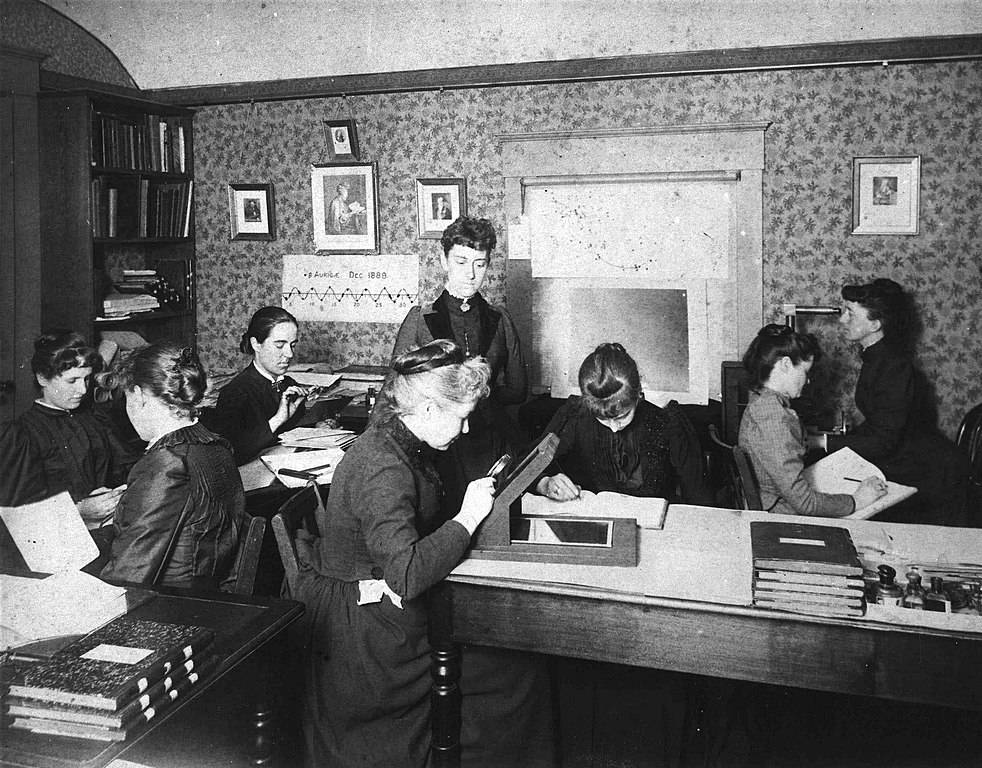
Harvard College Observatory
“Star name,” the women called in turn. Dressed in the long skirts of the early 20th century, the trio stood at wooden desks and measured star brightness on glass photographic plates. “Star name,” they declared as they cataloged the night sky, all while bathed in otherworldly light inside the planetarium of the Oregon Museum of Science and Industry.
The women’s group of the Rose City Astronomers club had arranged a night out to see Silent Sky, Lauren Gunderson’s play about the life and work of astronomer Henrietta Leavitt. Presented by Mt Hood Repertory Theatre and performed in the round, the production made creative use of the planetarium’s dome as the action unfolded for a small but captivated audience.
The planetarium portion of Silent Sky was programmed and run by Jim Todd, Director of Space Science Education at the Oregon Museum of Science and Industry — who is also the president of my astronomy club. Over email, we discussed the play and the often-overlooked contributions of women in science.
Light effects were dimmed and brightened to mimic the pulsing of Cepheid variable stars. Projections of scene settings and the night sky mirrored the characters’ journey of discovery. The aim was “wonder, inspiration, and admiration for the human spirit, especially the pioneering spirit of women in science,” Todd writes. “Through depicting Henrietta Leavitt's journey and her groundbreaking discoveries in astronomy, the play evokes a sense of awe at the vastness and beauty of the universe, and the human capacity to understand it.”
It was no surprise that the show was sold out.
Within minutes of my return home, I was hunting for articles and online biographies of Leavitt. I was also curious about the other two women portrayed — Annie Jump Cannon and Williamina Fleming. I was gobsmacked by their contributions to our understanding of the cosmos. I was also sad and chagrinned that their names were new to me.
My head swims with the “big names” in astronomy and observing: Copernicus. Galileo. Newton. Brahe. Hubble. Sagan. Even John Dobson often comes to mind before modern powerhouses like Vera Rubin and Nancy Grace Roman. I knew about Charles Messier and the impetus behind his list of deep-sky objects. But before watching the players on the planetarium stage, I hadn’t thought much about the cataloging and classification of the sky.
NGC is “new general catalog.” IC stands for “index catalog.” But “HD” was just a couple of letters leading a string of numbers I could plug into my smart scope to find a star. Now I know this is the Henry Draper catalog, which the Harvard Computers — including Leavitt, Cannon, and Fleming — worked tirelessly to produce. More than a hundred years later, I benefit from the efforts of these women, whose names I hadn’t known.
I had already read Emily Levesque’s excellent The Last Stargazers and the fascinating Life on Other Planets memoir by Aomawa Shields. I had (via video stream) seen Dame Jocelyn Bell Burnell speak as part of the University of Chicago’s “Picture an Astronomer” lecture series. But how many women astronomers could I identify off the top of my head?
“Star name,” the characters proclaimed from the stage. As I study the stars, I want to know the names and lives of these remarkable women, as well.
Because I am a lifelong learner, I set out to educate myself. I’ve cracked open my library copy of Dava Sobel’s The Glass Universe: How the Ladies of the Harvard Observatory Took the Measure of the Stars. I’m reading online about Annie Walker at the University of Cambridge’s Institute of Astronomy. I want to know more about Caroline Herschel and Maria Mitchell, and about contemporary astronomers like Beth Brown, Sandra Faber, Jill Tarter, and Barbara Williams — and so very many more.
Silent Sky celebrates the brilliance, perseverance, and achievements of Leavitt, Cannon, and Fleming, despite the societal limitations they faced, Todd writes, and is a “critical reminder of the significance of their discoveries and their lasting impact on our understanding of the universe.”
My own contribution to astronomy is limited to personal wonder and awe, but I share a love of the night sky with these women astronomers, past, present, and future. Now, when I’m setting up my observing equipment, scanning the stars with a pair of binoculars, or taking the dog outside for his bedtime potty, I look up and pause. I pick out the stars, constellations, and planets I know by heart. And the others? “Star name,” I whisper as I remember the Harvard Computers and gaze up in timeless curiosity.
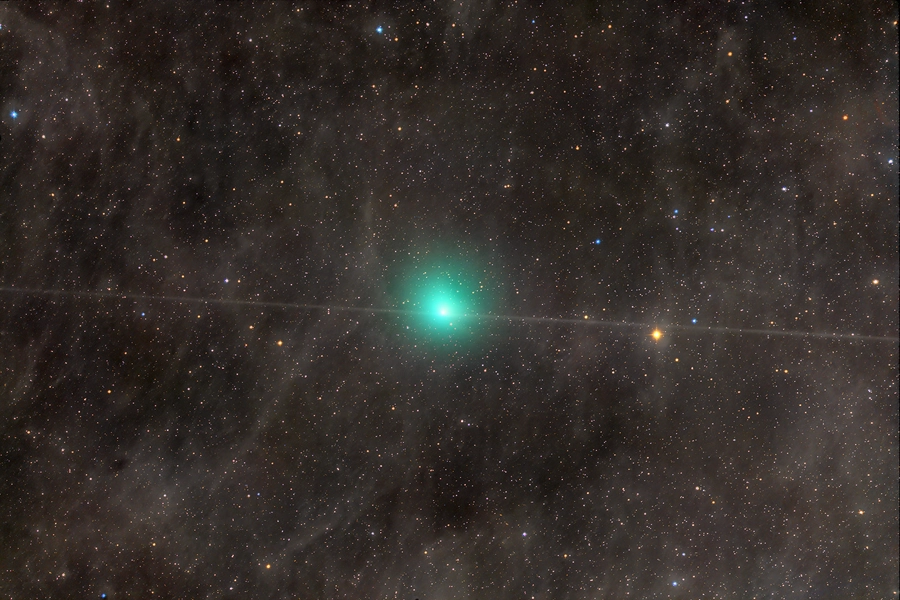
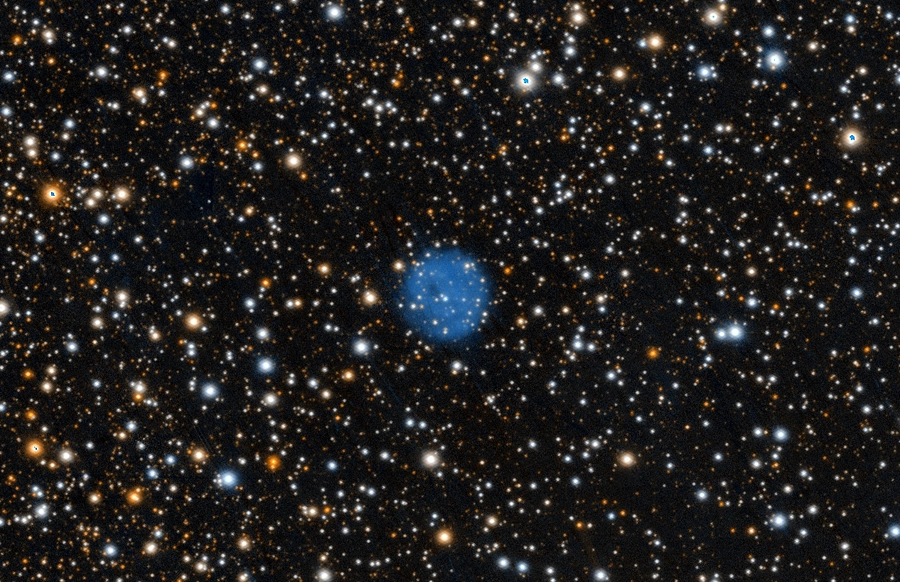
Learn more about women and other notable figures in astronomy.


Comments
David Kolb
August 5, 2025 at 1:39 pm
Don't forget about Cecilia Payne-Gaposchkin. This year is the 100th anniversary of her discovery of the composition of the stars.
You must be logged in to post a comment.
Jen Willis
August 31, 2025 at 6:22 pm
Indeed. Thanks!
You must be logged in to post a comment.
You must be logged in to post a comment.