 SUNSET:

 0
0The crew of Artemis 2 reported six flashes of light while passing behind the Moon. We’ve seen those kinds of flashes before.
NASA
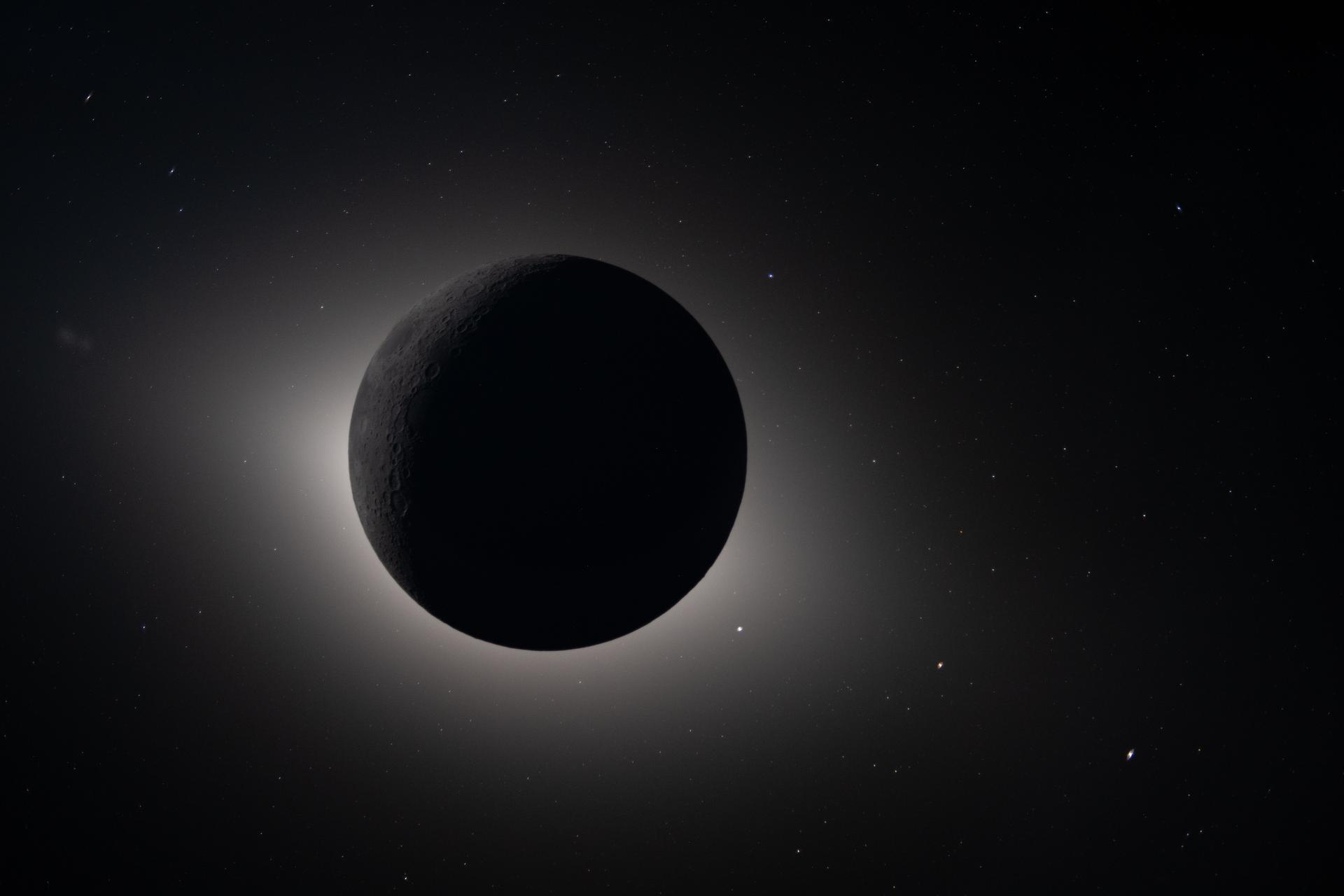
Artemis 2 astronauts reported six flashes of light as they circled behind the Moon. But those flashes — marking meteorite impacts — were not unexpected.
Apollo 17 crew saw three lunar impact flashes in 1972, and amateur astronomers on Earth first recorded similar flashes in 1999, during the Leonid meteor shower. Since then, well over 400 such impact flashes have been confirmed. What surprised ground control was that the crew of Artemis 2 saw twice as many during their brief flyby as during the entire Apollo 17 mission — perhaps in part because this crew had been trained to be on the lookout for them.
The observations help provide a baseline to estimate the rate of such impacts on the Moon. On Earth, the atmosphere causes most small meteoroids to burn up harmlessly, never reaching the ground. But on the airless Moon, even the tiniest bits of space debris can make it all the way to the lunar surface, posing potential risks for equipment and even future human bases.
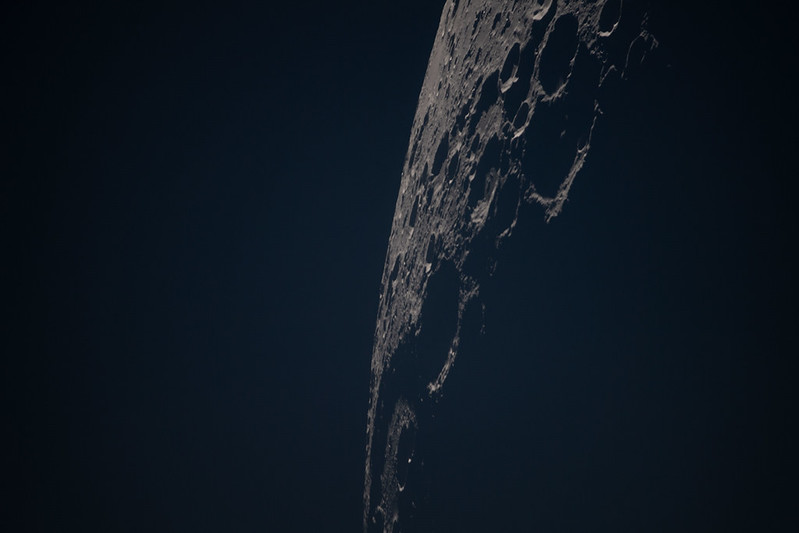
The flashes that the Artemis 2 astronauts saw were mostly near the Moon’s equator or in its southern hemisphere.
NASA
“I think that is a unique dataset,” says planetary scientist Benjamin Weiss (MIT). He says it will help determine the size distribution of small objects in our neighborhood of the solar system. Counts of the Moon’s visible impact craters provide a sampling of the size distribution of bodies larger than 100 meters (330 feet), he says. Scientists have estimated the size distribution of smaller objects from the pits left behind on lunar rock samples that Apollo astronauts brought back to Earth. Those show impact divots of 100 microns or so.
But there is little data on the number of impacts in between these sizes. The new Artemis 2 observations are “in the intermediate range that’s not probed by crater observations, either from samples or from orbital images,” Weiss says.
The only other sampling of objects in that size range comes from observations of meteors entering Earth’s atmosphere, Weiss says. But these observations are limited to a small region of sky from any given location. What’s more, large meteors melt while entering our atmosphere, which offsets our estimate of their sizes. The Artemis 2 observations, on the other hand, observe the whole night side of the Moon at once, and there’s no atmosphere to account for.
“On the Moon, these things crash right into the surface,” Weiss says, “and so you are not biasing the size distribution, and the number of objects that you’re seeing is a function of size, which is what you want.”
The upshot is that impact flashes on the Moon’s surface provide a reliable tool for measuring the population of small objects. “You can think of the Moon as a gigantic photographic plate,” Weiss adds — one that’s constantly recording the rate of impacts of all sizes.
But observing the flashes doesn’t require donning a spacesuit. NASA and the British Astronomical Association have asked amateur astronomers to help monitor the impact rate by observing and recording the unlit side of the Moon. Video recordings are especially helpful because the flashes typically last less than a tenth of a second. Such observations will help refine estimates of the impact hazard for future lunar missions, both human and robotic.




Comments
You must be logged in to post a comment.