SUNSET:


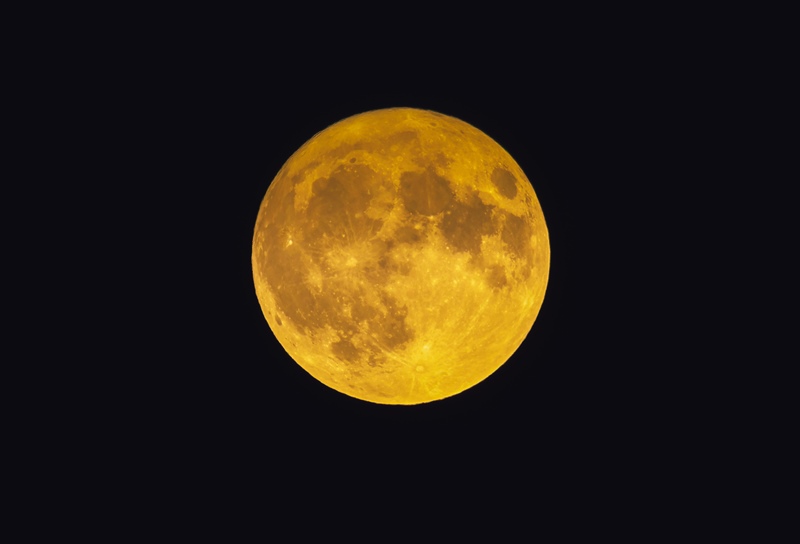
March Podcast: A Barely-There Lunar Eclipse
As told in the latest episode of our long-running Sky Tour astronomy podcast, this month it’ll be challenging to a special kind of lunar eclipse on March 25th — but easy to spot five of the 10 brightest stars in the night sky.
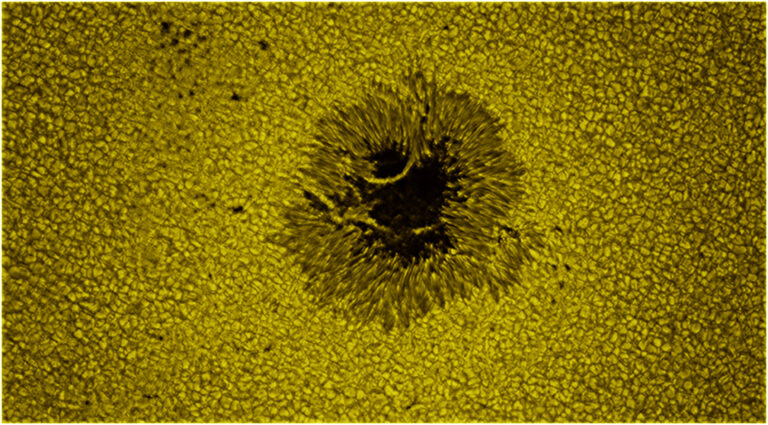
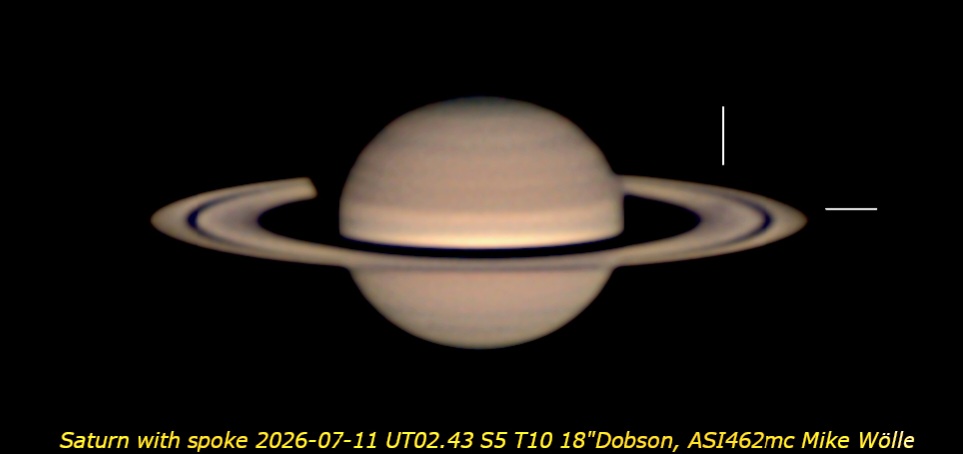
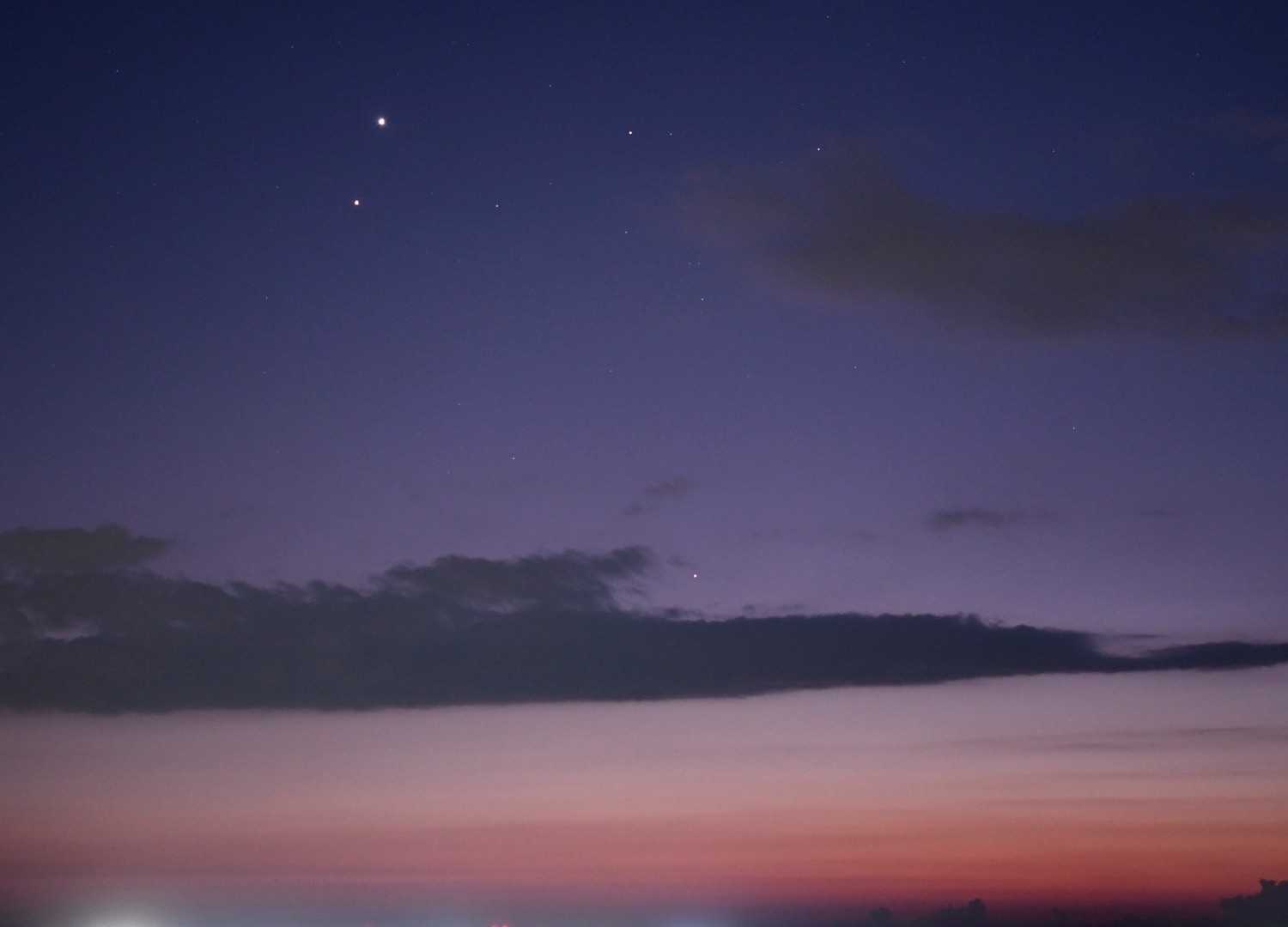
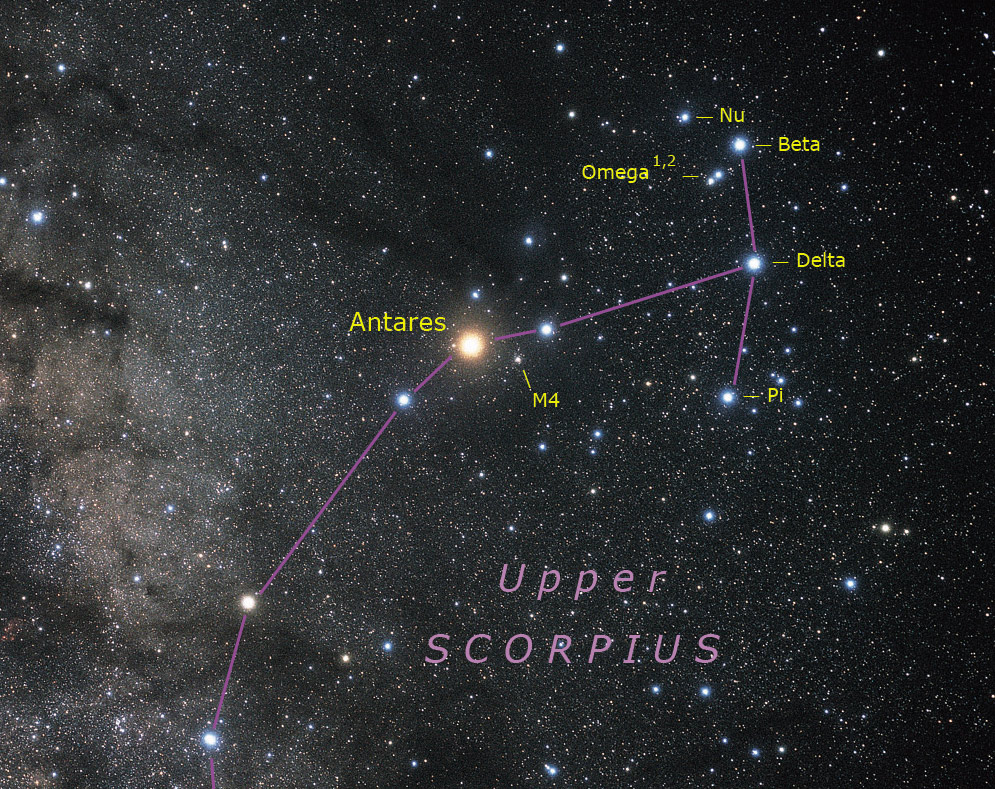
This Week's Sky at a Glance, July 10 – 19
The bright, distinctive pattern of Upper Scorpius is on its best display in the south right after nightfall. Telescopic treasures await. In the west, Regulus now departs from Venus.
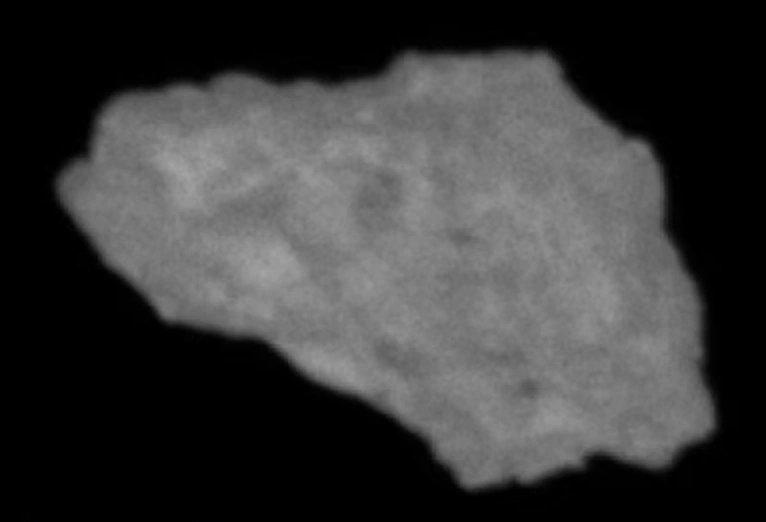
Tianwen 2 Arrives at Quasi-Moon Kamoʻoalewa, Returns Images
China’s Tianwen 2 mission returns its close view of Earth's tiny "quasi-moon" Kamoʻoalewa.
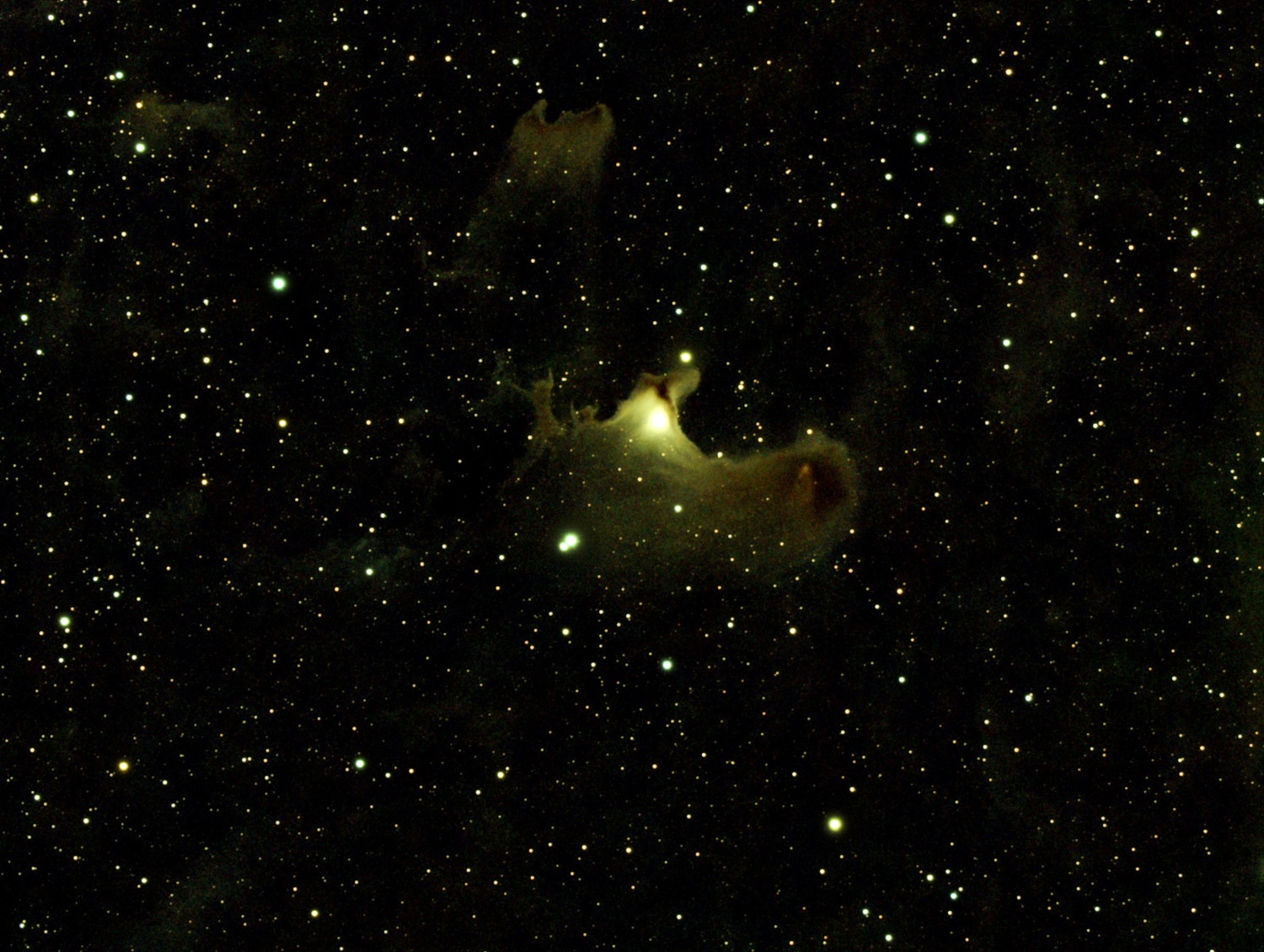
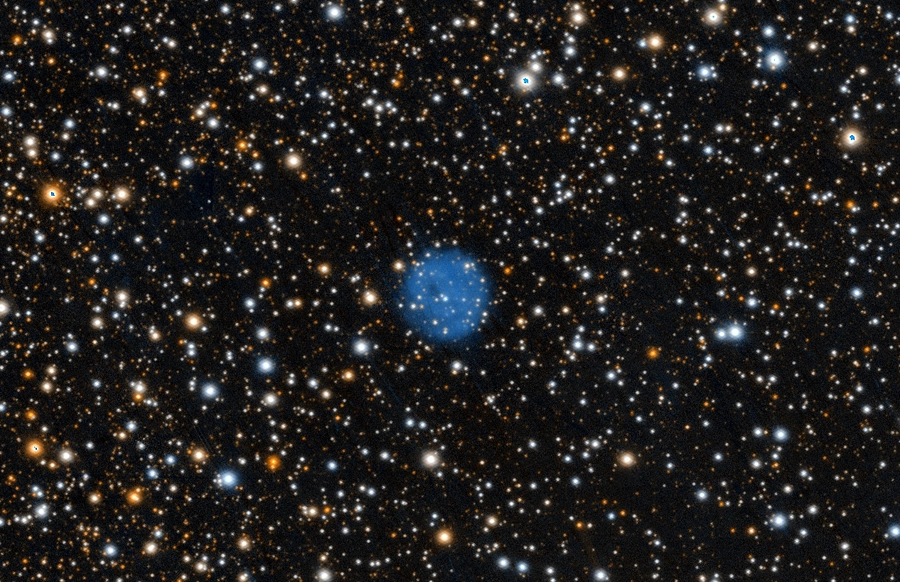
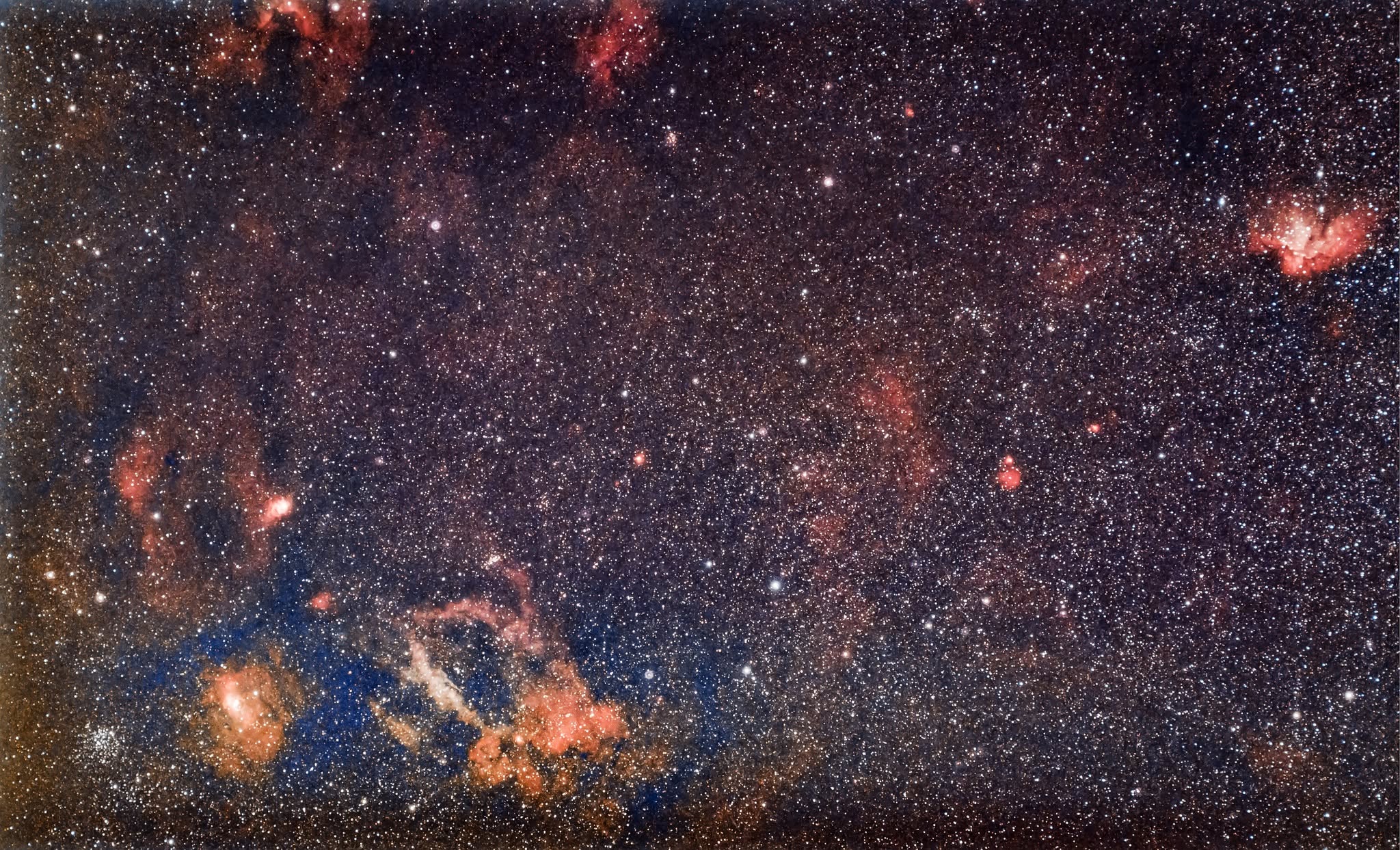
Steamy Nights at the Galactic Equator
Here's an observing guide to both familiar and lesser-known deep-sky objects that inhabit our galaxy's equatorial zone.
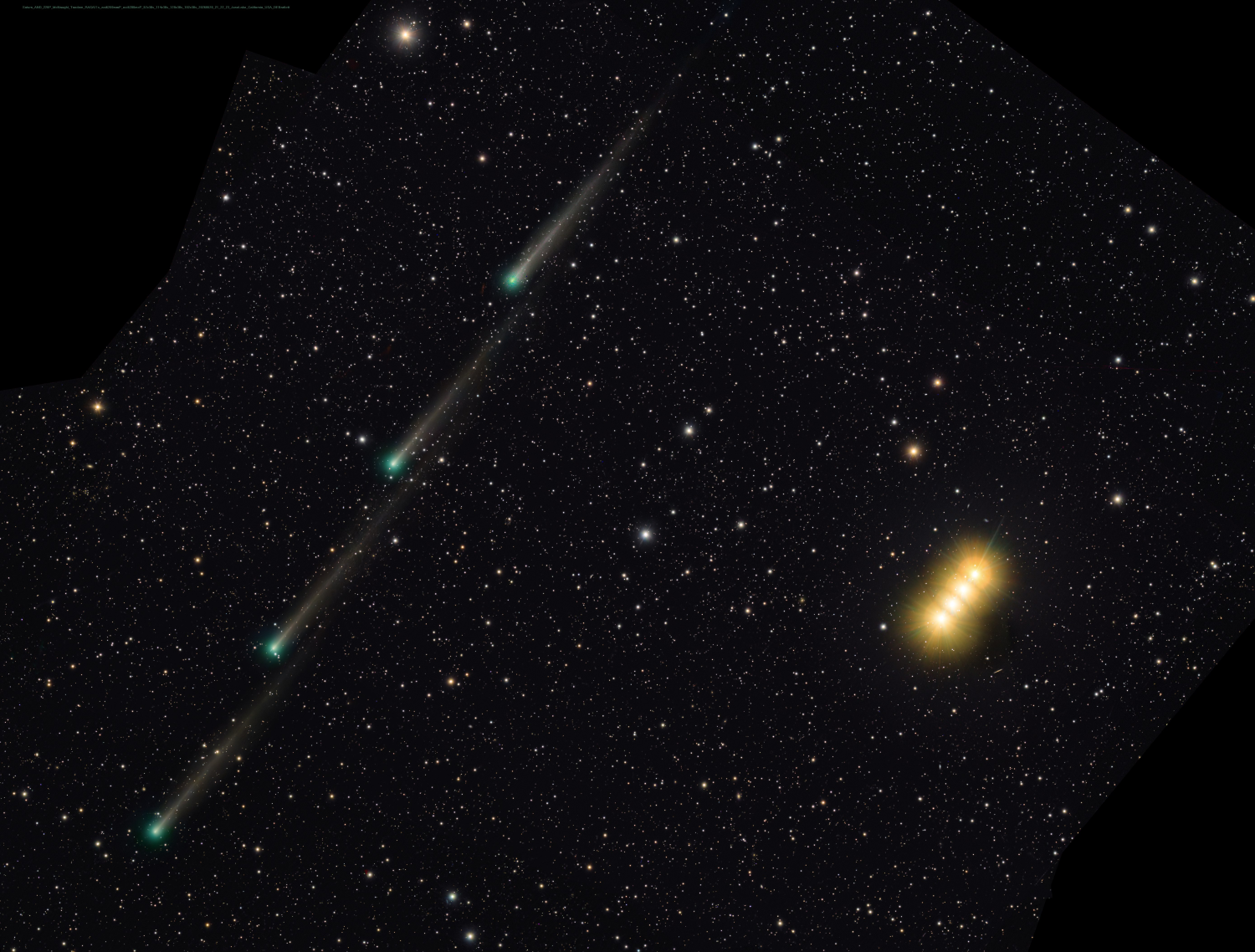

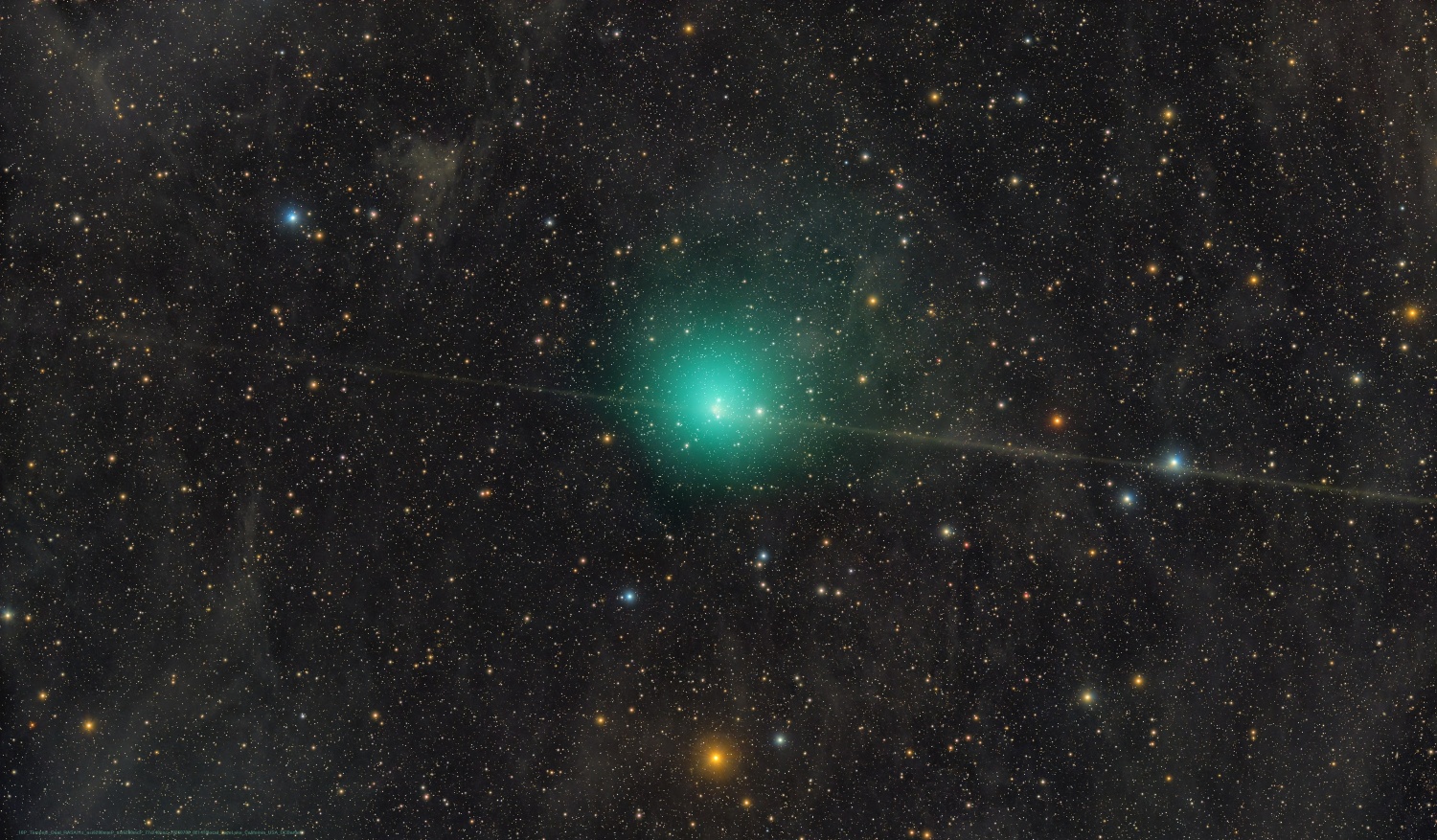
Did a Passing Star Shower Us with Comets?
We might be living through a comet shower created by a star that millions of years ago jostled the Oort Cloud surrounding the solar system.