 SUNSET:

How To Start with Your New Telescope
How to start sky exploring with that new telescope. How to set it up right, other key things to know -- and great cosmic immensities to start finding tonight.
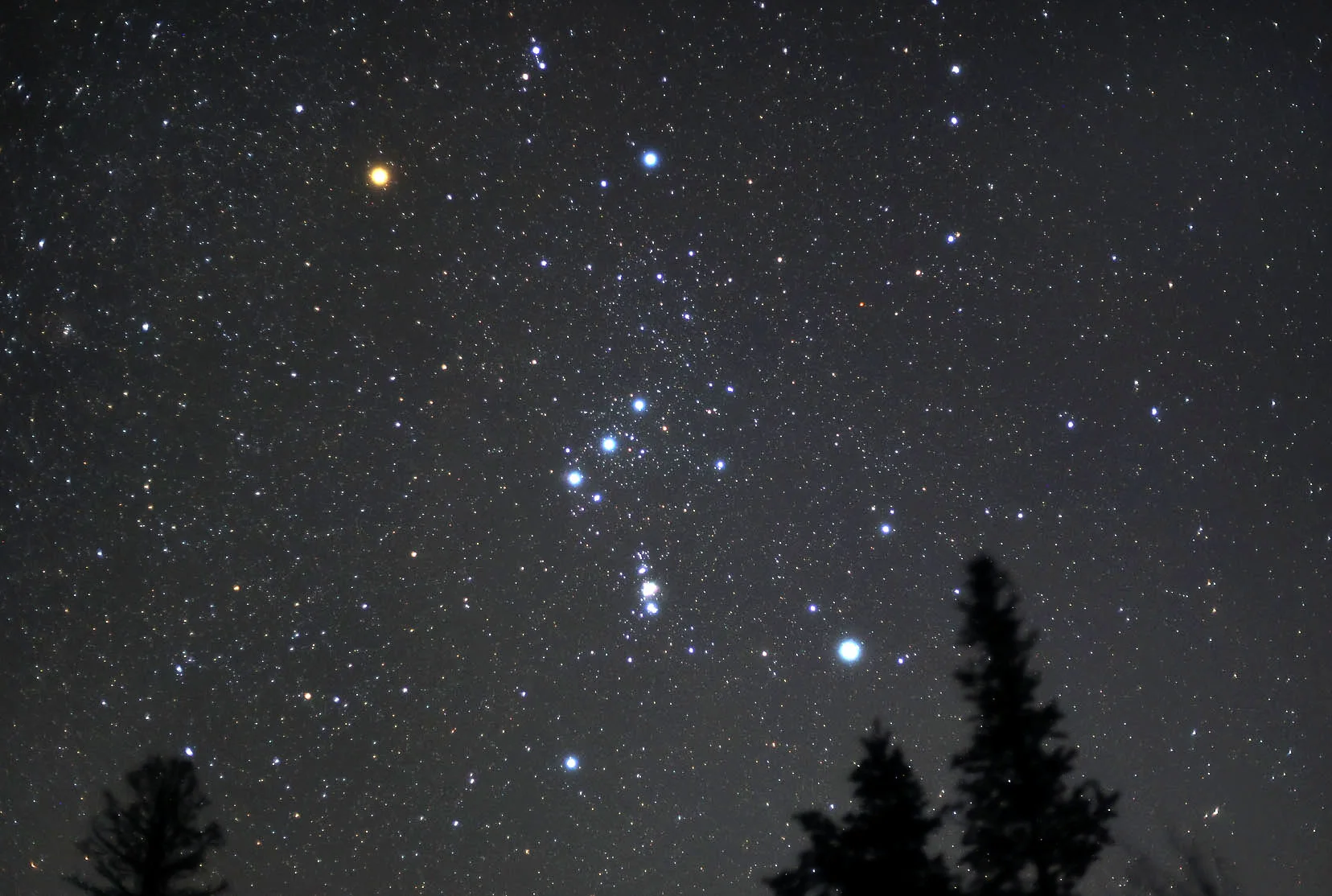
Explore Orion's Massive New Stars with Binoculars
Waves of recent star formation have made Orion winter's most scintillating constellation. You can see how it all came to be.
This Week's Sky at a Glance, December 19 – 28
We greet the winter solstice. Jupiter nears opposition. Will the two Dog Stars balance for you? And meet the House in the Hyades.
This Week's Sky at a Glance, December 12 – 21
Big Jupiter now rises in the east-southeast less than an hour after dark. It's high in sharp telescopic viewing by about 10 p.m.

Geminid Meteor Shower Peaks December 13-14
Great news! We'll have dark skies for the year's richest meteor shower.
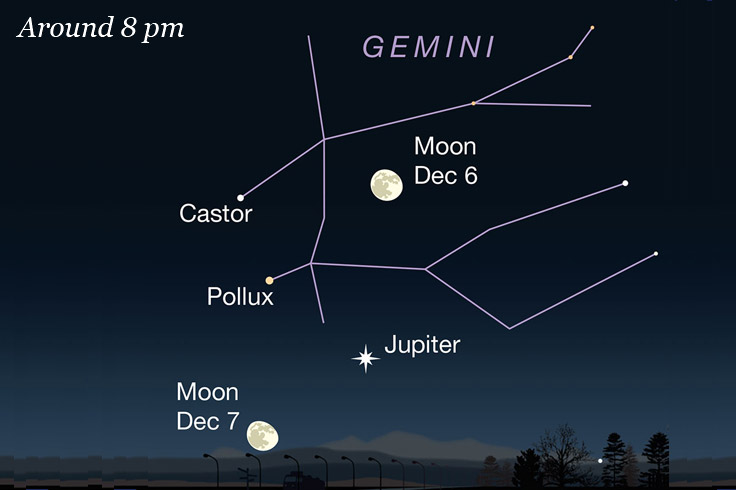
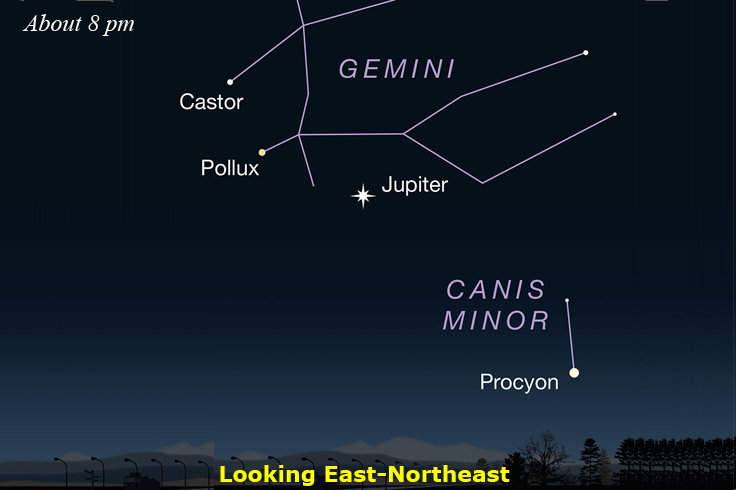
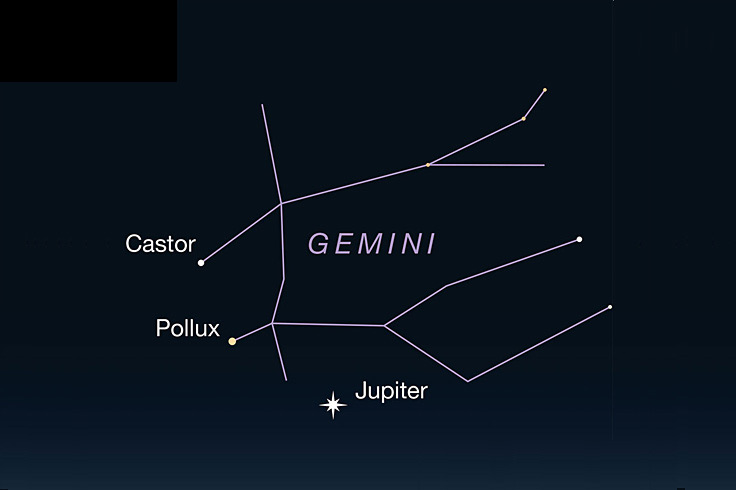
This Week's Sky at a Glance, December 5 – 14
The Moon, waning away from full, groups up with Jupiter, Castor and Pollux on two nights. Later in the week the Geminid meteor shower comes into full bloom.
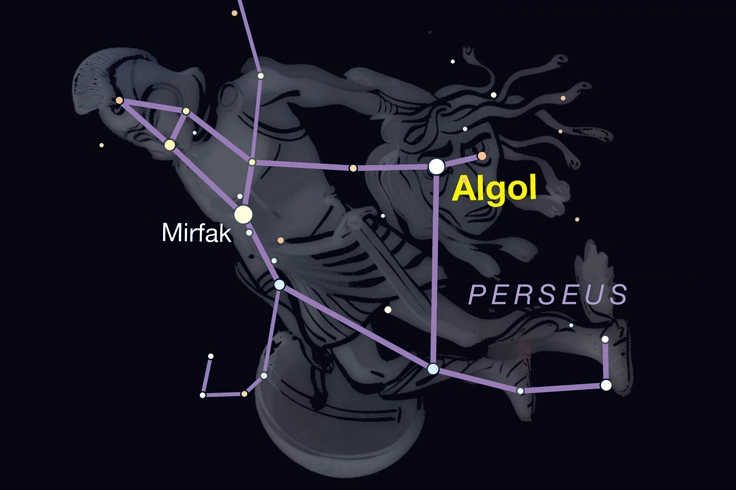
December Podcast: Find the “Demon Star”
During December you can watch for some impressive shooting stars and spend some time with the “Demon Star,” which can’t decide how bright it wants to be. Bundle up, grab your curiosity, and head outdoors for this month’s fun and informative Sky Tour.
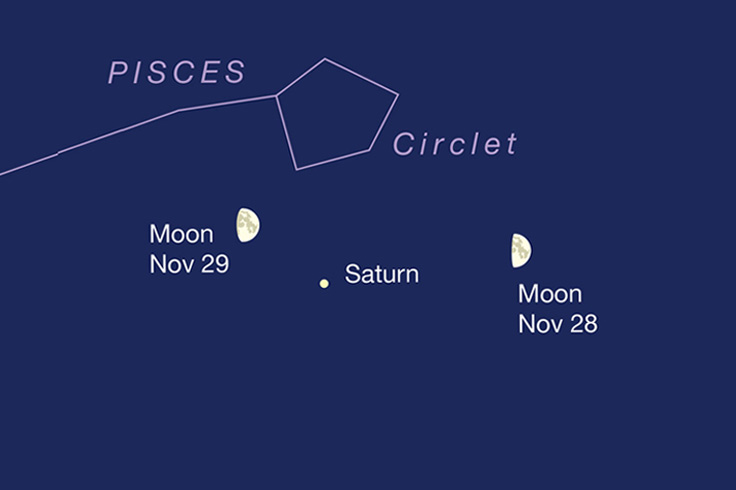
This Week's Sky at a Glance, November 28 – December 7
Saturn remains super-thin-ringed high after dark. The interstellar comet, 11th magnitude, is now nice and high in the dark before dawn. Don't wait; moonlight approaches.
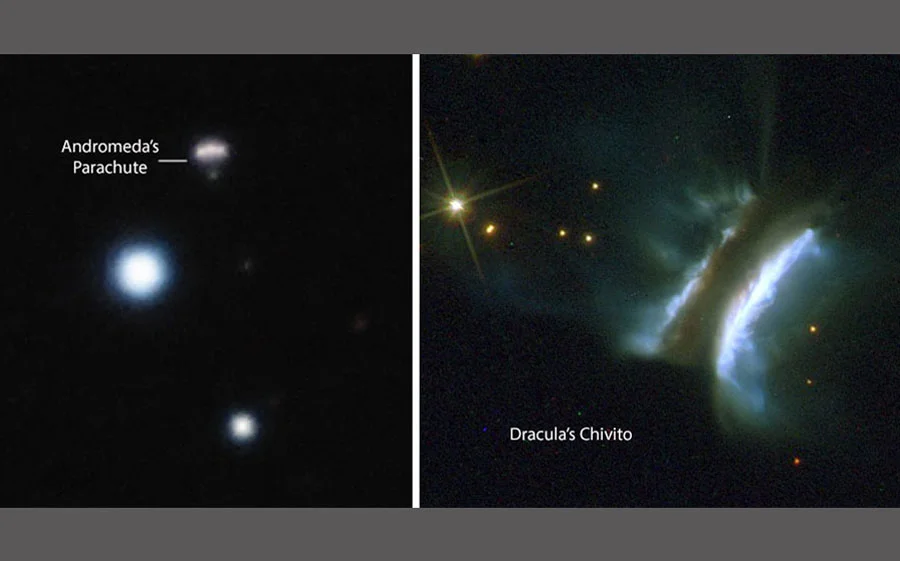
Lure of the Obscure — Andromeda's Parachute and Dracula's Chivito
Observers can't resist the challenge of seeking faint objects with curious names. We go deep and visit two — Andromeda's Parachute and Dracula's Chivito.

Spot Uranus at Opposition
Uranus is its closest to Earth all year on the night of November 21st, and you can find it easily in the evening sky using Sky & Telescope’s exclusive star chart.

This Week's Sky at a Glance, November 21 – 30
Saturn's rings are now the closest to edge on that they'll get. The famous interstellar comet has become higher and easier for amateur telescopes before dawn.
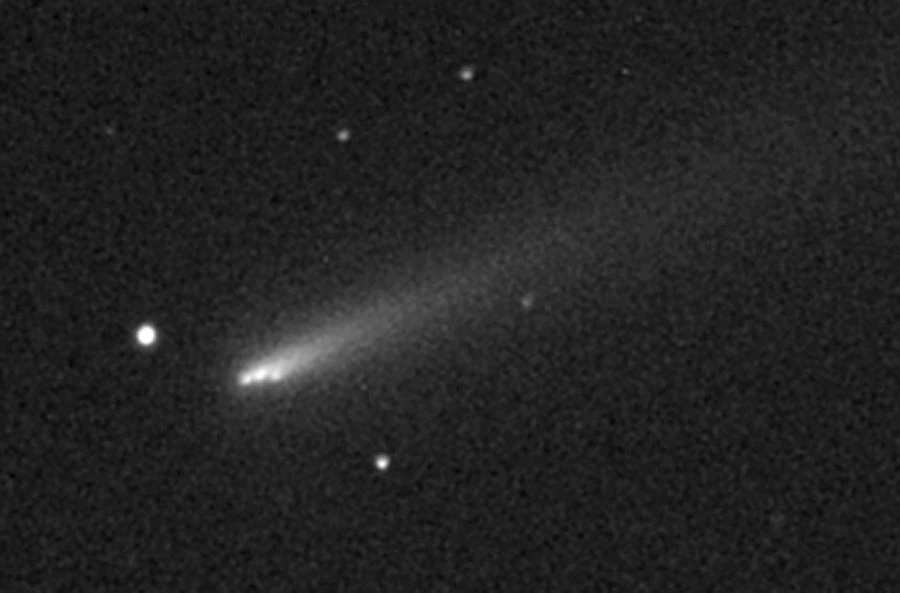
Comet K1/ATLAS Crumbles, Interstellar Comet 3I/ATLAS Delights
Watch an Oort Cloud comet disintegrate before your eyes. Meanwhile, interstellar intruder 3I/ATLAS is brighter than expected.
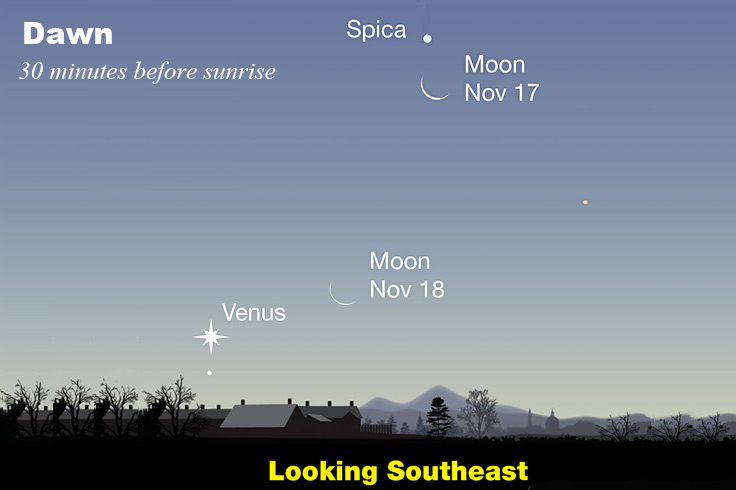
This Week's Sky at a Glance, November 14 – 23
Saturn's rings are turning as edge-on as we will see them for another 15 years. The planet awaits your scope high in the evening sky. Low in the dawn, the thin Moon approaches Venus.
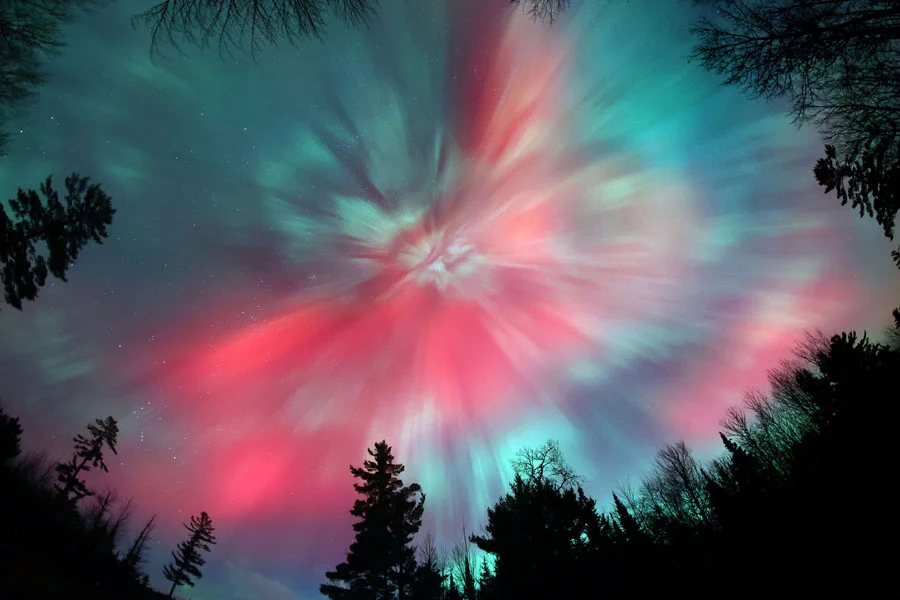
Double Solar Eruptions Spark Widespread Aurora
Last night's aurora painted the sky in reds, greens and even oranges. It's expected to return tonight!

See Saturn's Rings at Their Thinnest
Saturn's as edgy as it'll get for the next 13 years. With special visual treats in store, here's what to keep eyes on the planet this month.
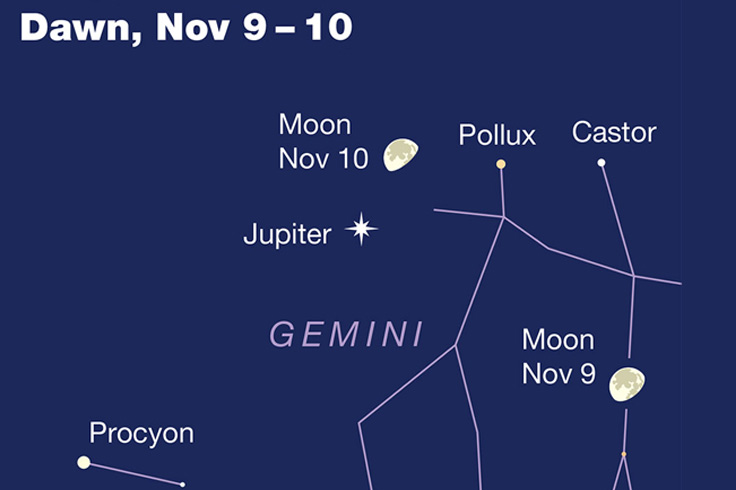
This Week's Sky at a Glance, November 7 – 16
The interstellar comet: Can you see it in your scope? Maybe you can, starting late this week as Comet 3I/ATLAS emerges from behind the Sun. If you have a large amateur telescope with which you can detect an 11th- or 12th-magnitude faint fuzzy rather low in the east just before…
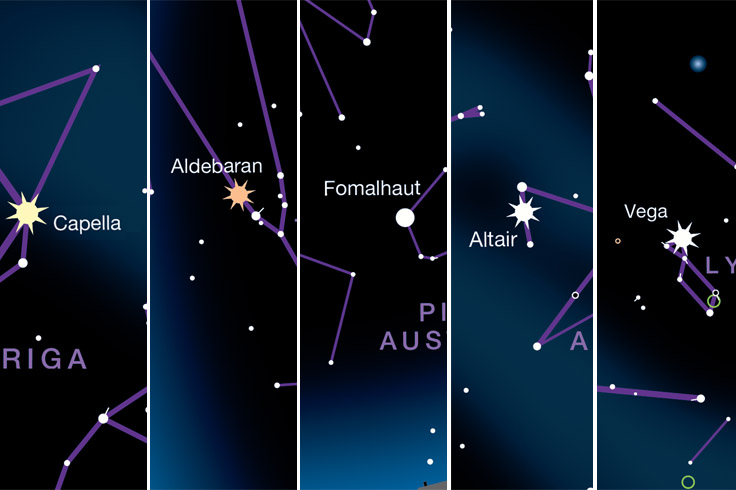
November Podcast: Five Fascinating Stars
In this month’s Sky Tour astronomy podcast, we’ll watch two sets of shooting stars, spot some bright planets, point out a few late-autumn constellations, and put a spotlight on five fascinating stars.
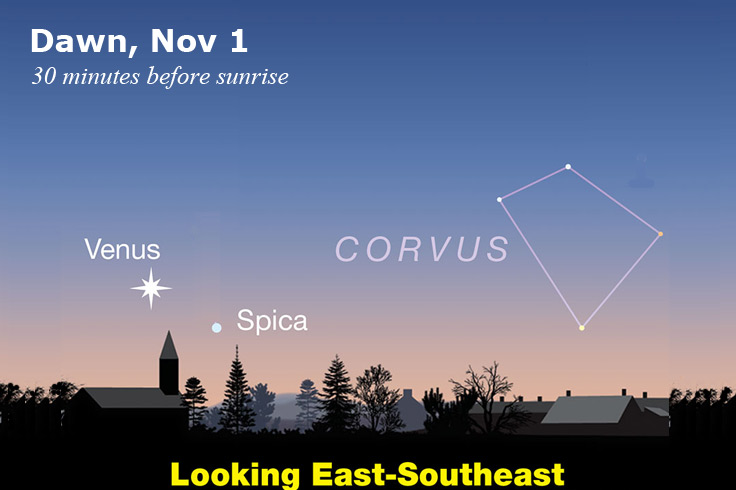
This Week's Sky at a Glance, October 30 –November 9
Saturn is in excellent view all evening. In a telescope its rings look like a thin needle piercing the big yellow globe. Soon the rings will turn exactly edge-on.
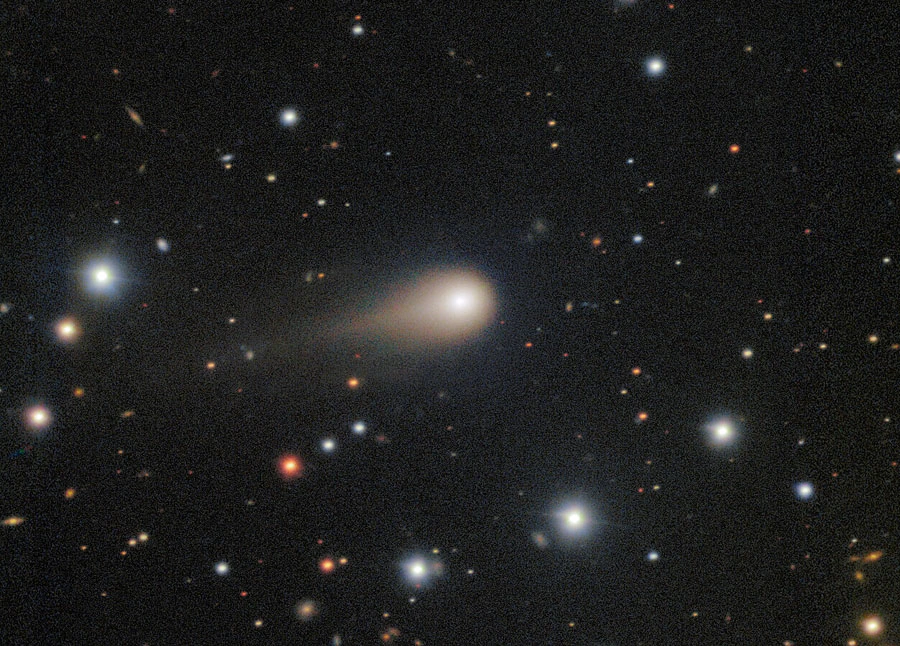
All Eyes on Interstellar Comet 3I/ATLAS
An alien comet will soon depart from the Sun's glare and enter the morning sky. It may be even brighter than expected, so get ready for the observing opportunity of a lifetime.
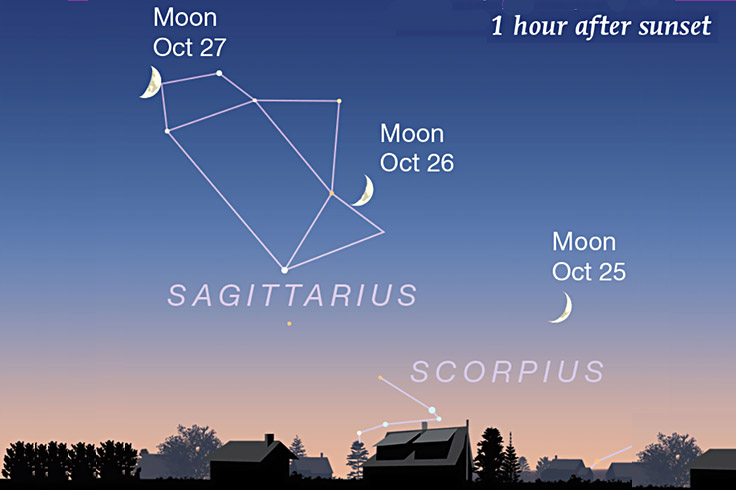
This Week's Sky at a Glance, October 24 –November 2
The crescent Moon returns and waxes to first quarter. Two binocular comets are on the way out. And Arcturus is once again the Ghost of Summer Suns.
