 SUNSET:

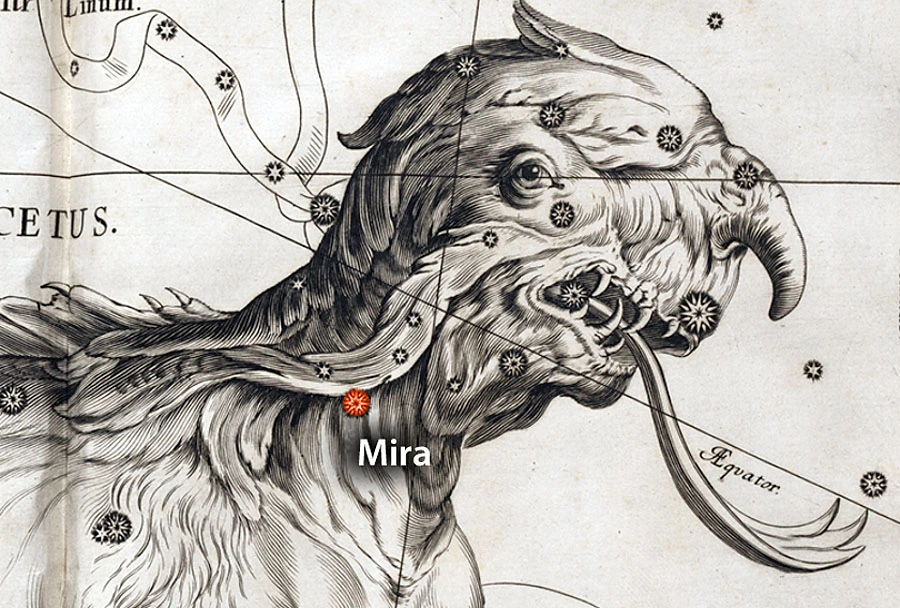
Nights with Mira, a Most Wonderful Star
Mira the Wonderful is back! Of course, it's always been there, but now it's near maximum brightness and easily visible with the unaided eye.
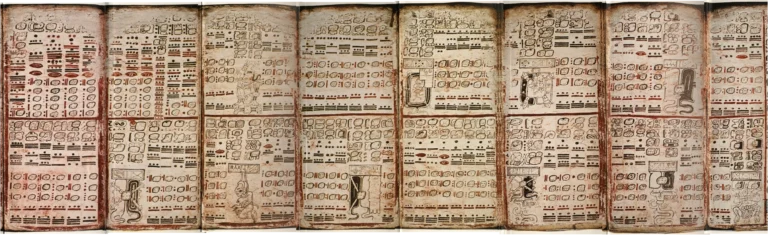
Maya 260-day Calendar Provides Key to Solar Eclipse Predictions
A new study has found that the 260-day ritual calendar is the key to understanding how the Maya predicted solar eclipses.
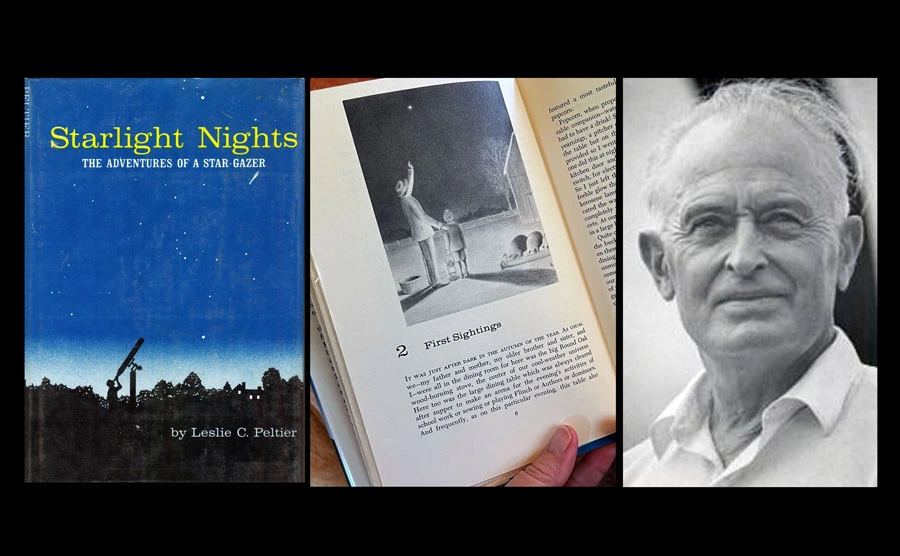
The Mystery of Leslie Peltier's "Two Tiny Diamonds"
How a determined amateur astronomer may have hit on the identity of a Cepheid variable double star described by a beloved author.

"Cassini's Bright Spot" Beams at Full Moon
Rayed craters pepper the Moon especially around full. Cassini's Bright Spot is one of the most striking.

Why Did Galileo Get Such a Puny Crater?
Galileo was one of the first people to study the Moon through a telescope. You'd think he'd get more than 10-mile-wide crater for his efforts. But of course, there's more to the story.

The Moon Is "Blue" This Wednesday...Or Is It?
If skies are clear this Wednesday, you'll see the full Moon — but it's not the "true" Blue Moon.

Lost Star Catalog of Ancient Times Comes to Light
Technology may have revealed a piece of the long-lost works of Greek astronomer Hipparchus, one of the greatest astronomers of antiquity.

Vega, the Star at the Center of Everything
While we may quibble about how to pronounce its name, there's no denying that Vega is one of the most fascinating and useful stars in the heavens.

Solving an Earthshine Mystery
Something we take for granted about the crescent Moon's appearance may be nothing more than an optical illusion.
Galileo: Work-from-home Wizard, and Other Tales from Lockdown
To give readers encouragement during difficult times, here are six moments in history when astronomers found themselves locked down with nowhere to go.

Celestial Cold Case: Why an Old Mystery Remains Unsolved
An amateur astronomer thought he had found the true identity of a mystery object identified — and then lost — in 1971.

Observing Earth from the Moon
Ever wondered what it would be like to see the Earth from the Moon? Join Bob King as he explores this from the perspective of the Apollo 17 astronauts.

Aboriginal Australians Observed Red Giant Stars’ Variability
New interpretations of oral accounts by Aboriginal Australians show that they included references to the variability of red giants Antares, Betelgeuse, and Aldebaran.

A Real Scorcher! — Sirius At Heliacal Rising
Make a connection to a time when stars were used to track seasons and predict natural events by watching the heliacal rising of Sirius.

The First Planetary Nebula Spectrum
Celebrate the anniversary of a revolutionary discovery by gathering with other astronomers to observe planetary nebulae in August's evening sky.
On the 40th Anniversary of Apollo 17
Forty years after the last human visitors departed the Moon aboard Apollo 17, space historian Andrew Chaikin talks about why we should return.
Transits of Venus: Deaths and Dilemmas
The colorful history of one of astronomy's rarest events — the transit of Venus — was discussed at the recent IAU conference in Beijing, China.
Running Around China and the IAU
Pluto, quasars, and total solar eclipses over Easter Island were just a few of the topics that came up at the close of the first week of the international astronomy conference in Beijing.
Transits of Venus in History: 1761
Read the next chapter in the history of the transit of Venus, the fantastic voyages in 1761.
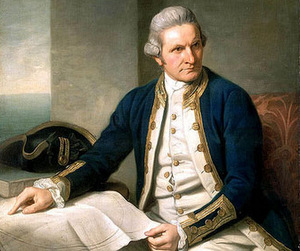
Transits of Venus in History: 1769-today
Read the third and final chapter of transits of Venus in history, as the transits went from being a crucial scientific measurement to an observing curiosity.
