 SUNSET:

Zodiacal Light in the Evening
The zodiacal light is on its best display in the Northern Hemisphere on moonless evenings from February through April.
Tour March's Sky! | February 25th, 2010
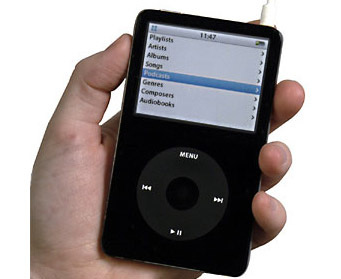
What a difference a month makes! The lengthening days, together with a switch to daylight time, mean that the evening constellations are changing rapidly. So use this easy-to-follow audio tour to figure out what's what. Host: S&T's Kelly Beatty. (6.5MB MP3 download: running time: 6m 52s)
An Exotic Solar Eclipse
On July 11th, a lot of ocean and a few tiny bits of land will experience a Moon-blackened Sun. But getting to the Moon's shadow will be a challenge.
Making the Most of Mars
Mars is receding from Earth, but it's still a fine, though small, target for telescopes.
January 15th's Rare Annular Eclipse
The longest annular eclipse of the Sun until the year 3043 happens tomorrow — but only a luck few (million) will be positioned to see it.
See the Stars with Worldwide Eyes
Have you ever wanted to try "virtual observing"? Here's your chance! This weekend you can view fabulous deep-sky objects in both the northern and southern sky by logging on to a special two-day event spearheaded by Astronomers Without Borders
Eclipsing in the New Year
Skywatchers in Europe and Asia saw more than fireworks when they looked up on New Year's Eve.
Tour January's Sky! | December 31st, 2009
Midwinter evening skies are alive with celestial activity — after sunset you'll find Jupiter in the southwest, and Orion, Mars, and much more over in the east.Host: S&T's Kelly Beatty. (5.9MB MP3 download: running time: 6m 27s)
Eclipses in 2010
The first year of the new decade features four eclipses, two solars and two lunars. You'll want water wings to see the total solar eclipse on July 11th, which crosses only a few tiny bits of land. December's complete lunar coverup is the first in nearly three years.

Meteor Showers in 2010
Everyone loves to watch "shooting stars" blaze across the sky. Sky & Telescope predicts that 2010's best meteor showers should be the Perseids in August and the Geminids in December.
December's Blue Moon? Bah, Humbug!
This month brings full Moons on the 2nd and 31st — a doubling-up that's neither rare nor noteworthy.
A Great Year for Geminid Meteors
When nature puts on a great show, why not watch? The Geminid meteors, which peak on December 13-14, may not be as famous as August's Perseids, but they're just as bountiful.
January 11th's Morning Antares Occulation
On the morning of January 11, 2010, people in northeasternmost North America can watch the Moon cover Antares for the last time until 2023.
Tour December's Sky! | November 26th, 2009
After listening to this podcast, you'll have no trouble spotting Jupiter, Orion, the Pleiades star cluster, and much more in the evening sky! Host: S&T's Kelly Beatty. (7.3MB MP3 download: running time: 8m 00s)
The 2009 Leonids Are Coming!
The Leonid meteor shower peaks near new Moon in 2009, making this a fine year for any meteor lover. Observers in the Americas are ideally placed for the traditional peak, and a brief, unusually intense burst is forecast for Asia.

Galilean Nights in Argentina
Galilean Nights was a smash hit at the Galileo Galilei planetarium in Buenos Aires.
The Orionid Meteors are Here!
October's Orionid meteor shower isn't one of the year's richest, but it's a chance to see bits of dust shed long ago by Halley's Comet colliding with Earth's atmosphere. For the next few nights, with moonlight not a factor, you might spot an Orionid every few minutes from a dark-sky location.
Planet Trio Dances at Dawn
Jupiter, the King of Planets, has the evening sky pretty much all to itself. But three other planets — Venus, Mercury, and Saturn — are putting on quite a show in the east before dawn.
Get Ready for "Galilean Nights"
Galileo saw some amazing sights when he turned his telescope to the heavens 400 years ago. Now you can relive his discoveries — and share the excitement with others!
Juno in the Spotlight
For the next few weeks, you have the opportunity to spot one of the first asteroids ever discovered.
