 SUNSET:


Exploding Stars Sprinkled Ancient Earth With Radioactive Iron and Plutonium
Exploding stars have left their radioactive mark on our planet. Now scientists have found more evidence of a particularly violent event in Earth’s more ancient past.
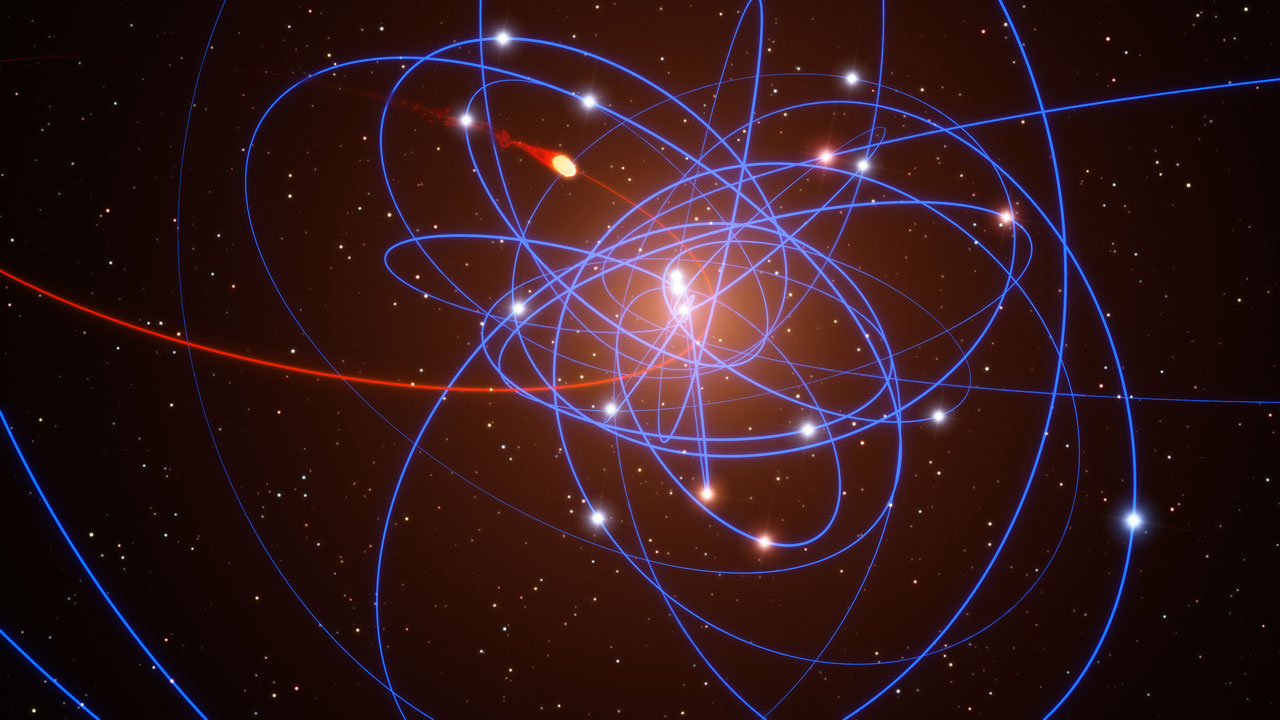
What's Feeding Our Supermassive Black Hole?
Astronomers have identified the likely source of gas that flows into the maw of the Milky Way’s central black hole, Sagittarius A*.
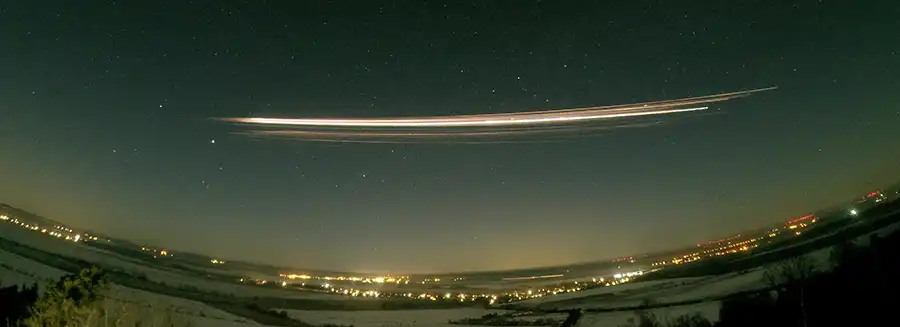
Rocket Reentry Leaves Lithium in Earth's Upper Atmosphere
Space debris are contaminating our atmosphere at very high altitudes – and we don't yet understand the effects.
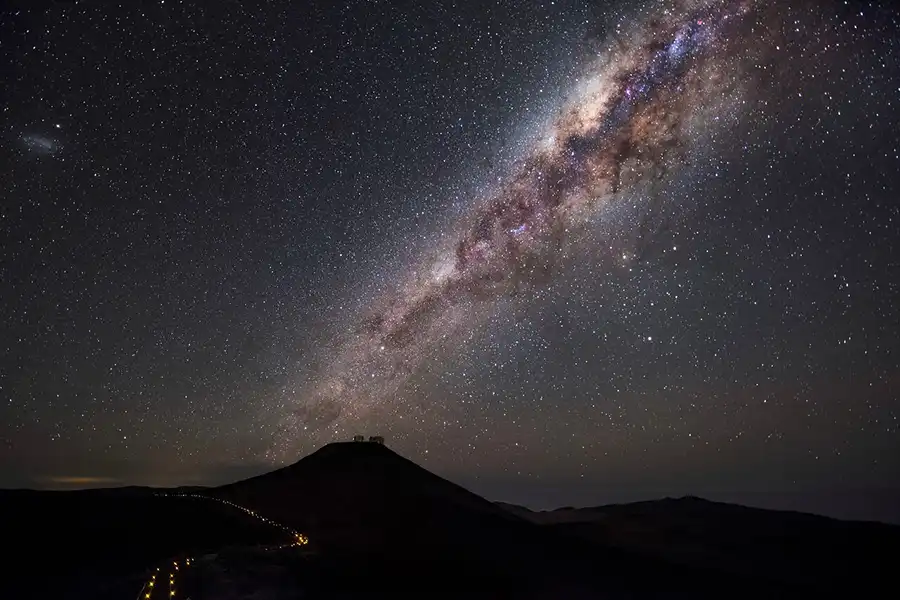
Chilean Observatories Saved from Industrial Megaproject
The proposed installation — less than 10 miles from Paranal Observatory — sparked international concern. Now it’s canceled.
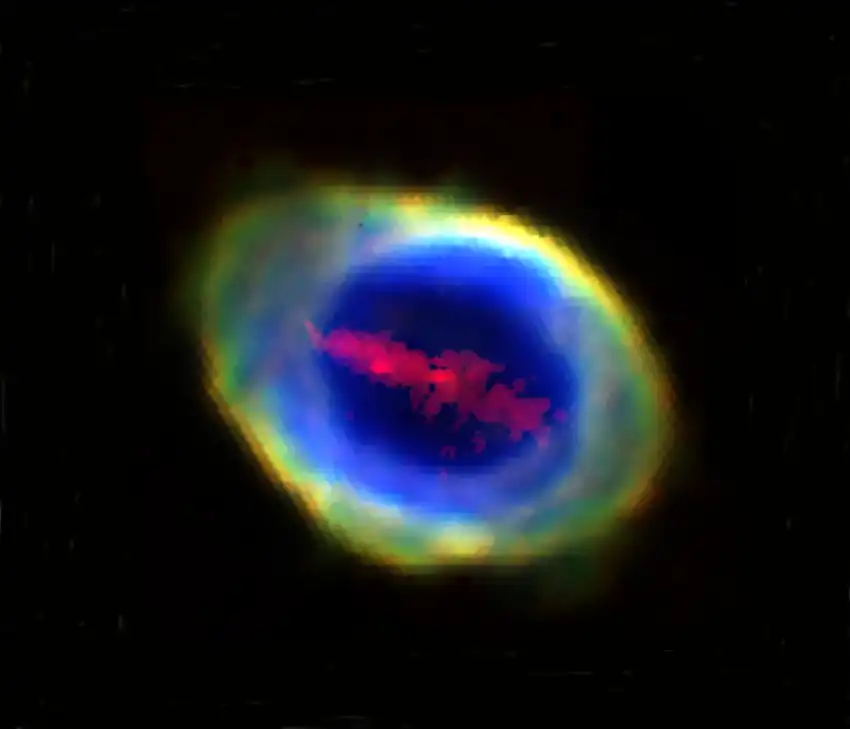
The Ring Nebula Has an “Iron Bar”
New observations reveal a strange structure in the iconic nebula that has evaded astronomers for centuries.
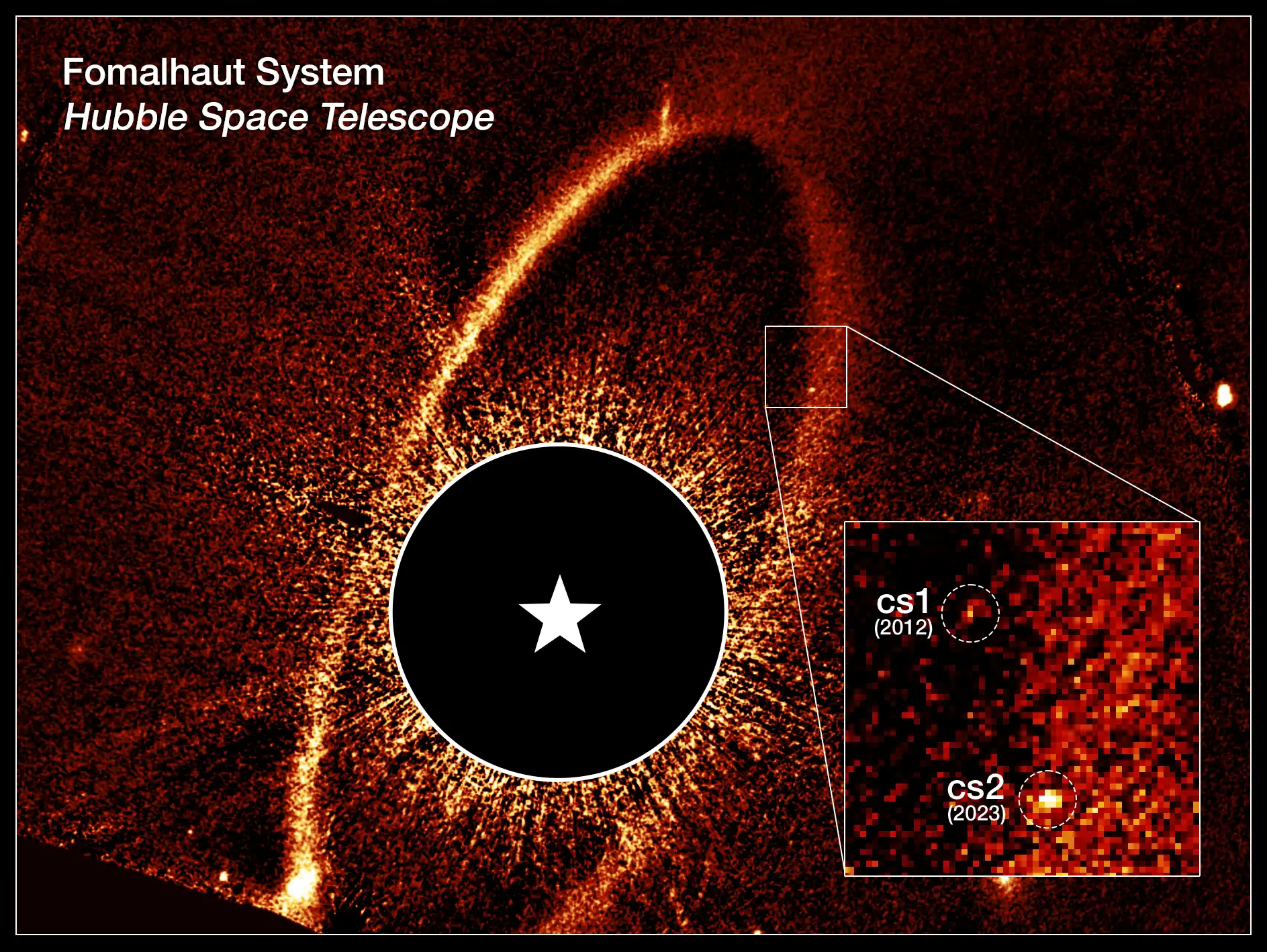
Did Asteroids Collide Near Fomalhaut – Again?
The young, nearby star may be experiencing an episode of repeated, violent collisions within its forming planetary system.

An extremely rare Callisto event on January 10th
Observers across America may witness a special transit and shadow event of Jupiter’s moon on opposition day.
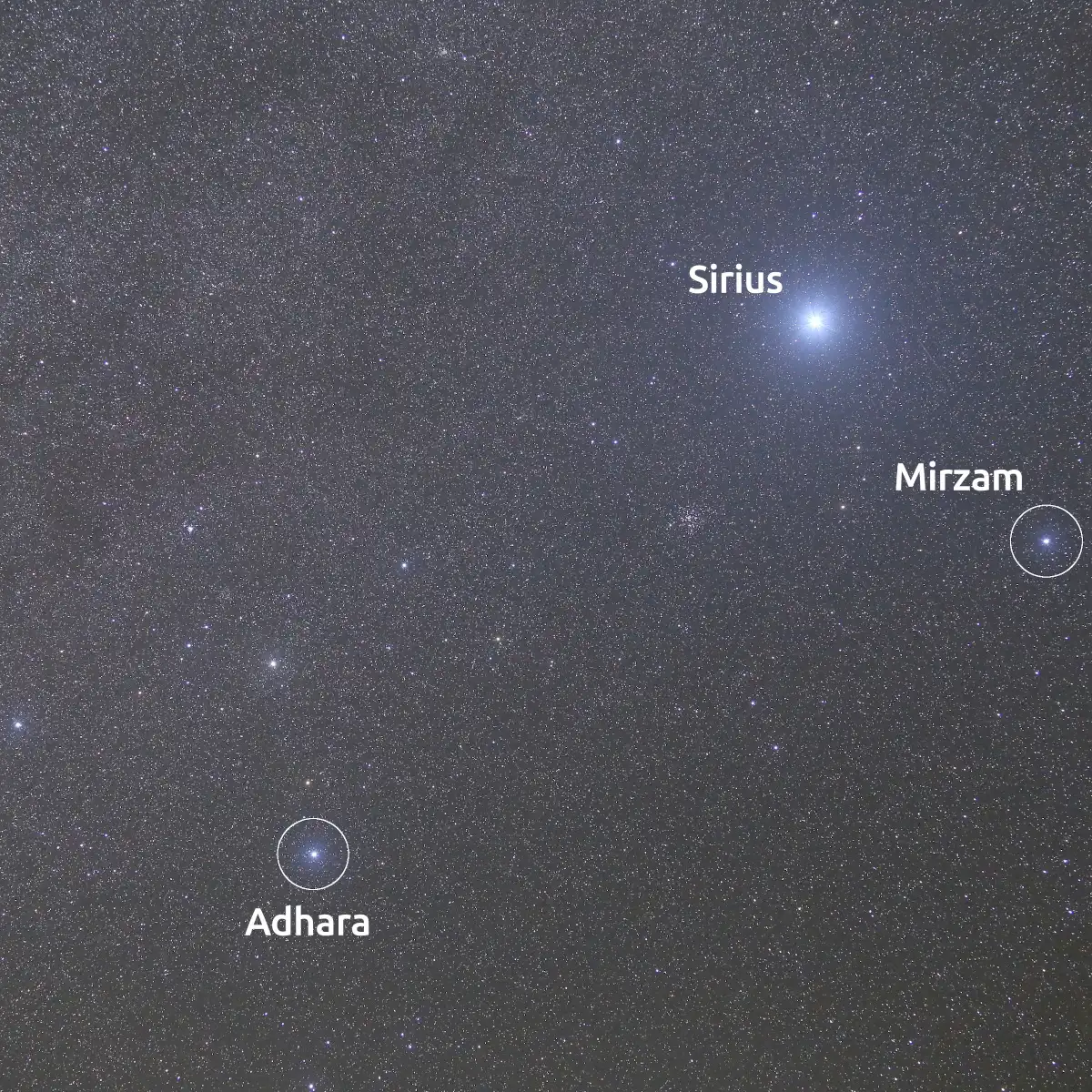
Two Stars Swept by the Solar System 4.5 Million Years Ago
Two winter stars left their mark long ago on wispy gas clouds near the solar system. Their passage might even have influenced life on Earth.

Meet the Seven Sisters’ 3,000 Lost Siblings
The Pleiades star cluster is part of a much larger complex that stretches across the entire sky, a new study shows.
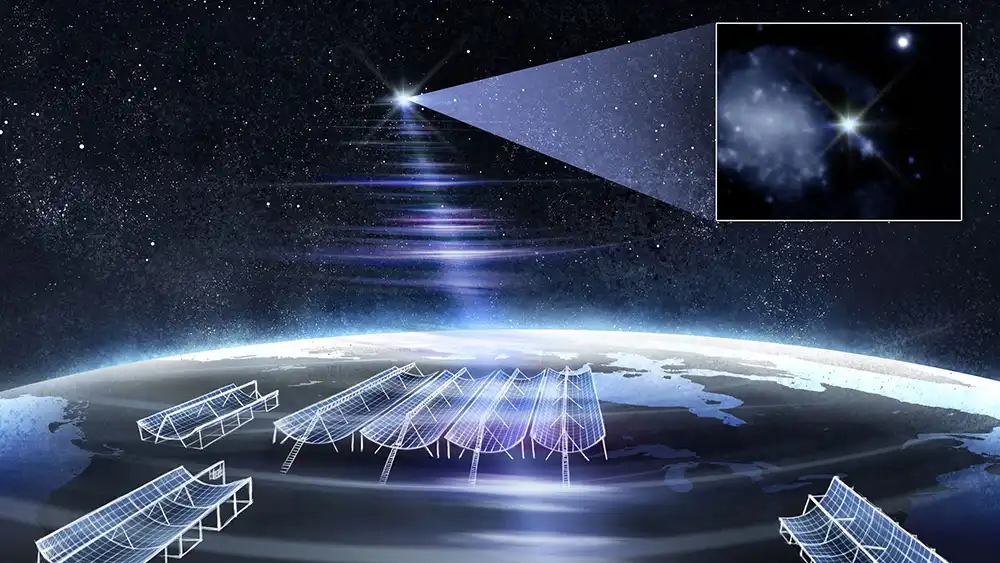
Fast Radio Burst's Neighborhood Revealed
Astronomers have pinpointed the location of an one-time fast radio burst to a spiral arm of a nearby galaxy.
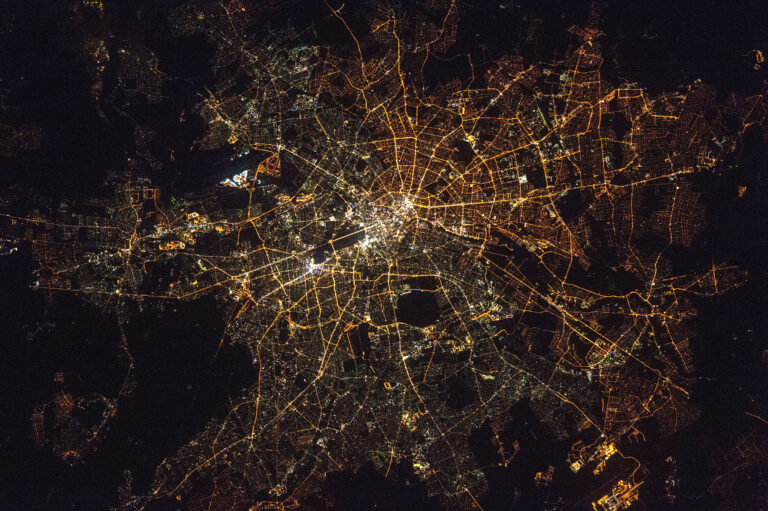
Light Pollution: What Is Brightening Our Night Skies?
Walking through neighborhoods, volunteers identified sources of light pollution —surprisingly, streetlights weren’t the main culprit.

Priceless Flares: Magnetars Can Make Gold and Platinum
An almost forgotten observation made 20 years ago provides evidence that magnetars create some of the heaviest nuclei in the universe.

41,000 Years Ago, Auroras Appeared Across the Globe
A weakened geomagnetic field left Earth almost defenseless against harmful cosmic radiation 41,000 years ago, but that didn’t stop humans from thriving.

Experts Call for Urgent Action on Space Debris
A European conference on the status of space debris had experts calling for immediate action to not just prevent but actively clean up the problem.

Euclid Observatory Opens Cosmic Treasure Trove
Euclid's first data release allows scientists to sharpen the tools they’ll need to unravel the nature of dark matter and dark energy.

European Solar Orbiter Traces Origin of Solar Wind
Using the Solar Orbiter, scientists think they’ve pinpointed the locations near the Sun where particles are thrown into the solar wind.

Galaxy-mapping Gaia Satellite Ends Science Operations
After more than a decade in space, the European Gaia spacecraft will end its observations this week. Astronomers are still busy preparing final data blasts.

Industrial Project Threatens Dark Chilean Skies
An industrial megaproject in Chile is threatening the pristine darkness over Paranal, one of the world’s most important observatories.

Barnard’s Star Has a Confirmed Planet — At Last!
Astronomers have found a sub-Earth-mass planet orbiting Barnard's star, just six light-years away — for real this time.

Did the Milky Way Form Faster Than We Thought?
New research suggests that our galaxy’s first stars might have come together within a billion years after the Big Bang.
