 SUNSET:

A New Year's Resolution
Let's commit to stopping the spread of light pollution, the single greatest threat to our enjoyment of the night sky.
Cassiopeia A in 3D
Explore a supernova remnant with this fun interactive simulation, created from detailed space- and ground-based observations in multiple wavelengths.
New Chelyabinsk Results Yield Surprises
The mega-meteor that exploded over Russia last February has provided impact specialists with some surprising — and sobering — revelations.
Why Do We Call Them "Asteroids"?
When astronomers discovered the first objects orbiting between Mars and Jupiter, at first they didn't know what to call them. Today we know them as asteroids, and the creator of that term has finally been identified.
Undue Ado About Asteroid 2013 TV135
The world's news media are making a big deal about a largish near-Earth asteroid discovered on October 8th that has a very slim chance of striking Earth in 2032.
Donate to Eclipse-Glasses Effort
Astronomers Without Borders is raising funds to get 40,000 sets of eye-saving viewers into the hands of African schoolchildren for next month's solar eclipse.
Will BBC Cancel The Sky at Night?
Stargazers in Great Britain learned this week that their beloved broadcast about all things celestial, inaugurated by the late Patrick Moore in 1957, might be canceled at year's end.
17-Day ALMA Strike Ends in Resolution
The 17-day strike at the world’s largest ground-based observatory ended Saturday, and ALMA's revolutionary observations of the millimeter/submillimeter sky restart today.
Wanted: More Young Stargazers
The Astronomical League is tackling a serious threat to the future of organized amateur astronomy: a dearth of stargazers in their teens, 20s, and 30s.
Spacecraft Look Back at Planet Earth
July 19th was a Big Day for our home planet, as two spacecraft, Cassini and Messenger, took snapshots of Earth and Moon from great distances.
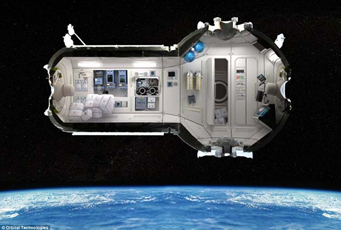
PayPal Stakes Its Claim in Space Tourism
A few years from now, when you’re floating in a space hotel many miles from Earth, you might want to order some coffee. And PayPal wants to make sure you don’t have to pay in cash.
Chelyabinsk Mega-meteor: Status Report
The cosmic intruder that exploded in the sky on February 15th dropped thousands of fragments onto the snow-covered plains of south-central Russia. Here's an update on what's been found.
Big Science with Modest Scopes
A recent annual meeting of amateur astronomers in Big Bear, California, proved once again that the amateur community is pursuing impressive science endeavors.
TWAN's Earth & Sky Contest Winners
From the city lights nestled between Alpine peaks to a single image that captures stars, an aurora, and a meteor, The World At Night's 2013 astrophoto contest is full of startling vistas.
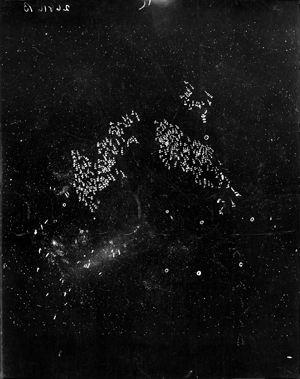
Digitizing Harvard’s Century of Sky
Harvard College Observatory is digitizing its famed collection of more than 500,000 glass sky-survey plates and has just released the first data set.
NASA to Snag a Near-Earth Asteroid
Not content to let private companies have all the fun in asteroid exploration and exploitation, NASA managers have proposed a high-flying mission that would capture a small asteroid and dispatch astronauts to study it — all within the next decade.

Mission Planning for the Public
A NASA web-based tool plots trajectories to your favorite planet or near-Earth object.
Too Much Ado About Daylight-Saving Time
Still controversial, the annual switch to daylight saving time is annoying to backyard astronomers — and probably doesn't save any energy after all.

Info on Russian Meteor Pours In
The fireball that exploded over Russia on February 15th left more than a million square feet of damaged windows, bringing home how fragile life on Earth can be. Here's what S&T's staff has managed to piece together about what happened.

Asteroid Mining Gets Competitive
Deep Space Industries, Inc, announced plans to send a fleet of asteroid-prospecting to target asteroids in 2015 — and that’s just the first step in their ambitious proposal.
