 SUNSET:


Philae Wins Race to Return Comet Findings
With its battery power failing, Philae became the "little lander than could" and managed to return results from all 10 of its science instruments before slipping into hibernation.

Philae Lands on Its Comet — Three Times!
After free-falling toward Comet 67P/Churyumov-Gerasimenko for seven hours, ESA's Philae lander bounced on the surface twice before finally coming to rest.
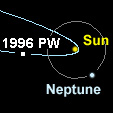
Eight Billion Asteroids in the Oort Cloud?
A fresh look at a nagging problem — asteroids moving in comet-like orbits — concludes that asteroids must make up about 4% of the vast, distant Oort Cloud of comets. When a telescope atop Hawaii's Haleakala swept up a fast-moving object in August 1996, astronomers didn't know what to make…

Spotting Comet Dust Around Alien Suns
Have you ever spotted the glow of a “false dawn”? Now astronomers have spotted a similar zodiacal light around nine nearby stars.

Dazzling New Products at the ASAE Expo
See the selection of new telescopes and astronomy products unveiled at the 2014 Arizona Science & Astronomy Expo.

Interstellar: Science Fiction or Science Fantasy?
On the much anticipated opening weekend of Interstellar, senior contributing editor Bob Naeye reviews the movie's facts and foibles.

Rosetta Update: The Scent of a Comet
The Rosetta spacecraft reached its objective, Comet 67P/Churyumov-Gerasimenko, in August. Since then, one instrument has been "smelling" the mix of gases escaping from the comet's nucleus.

ALMA Image Reveals Planetary Genesis
An ALMA submillimeter-wavelength image unveils the dawn of planet formation around a surprisingly young star in unprecedented detail.

See November's Speedy Leonids
Often ignored in off years, why not treat yourself to the Leonids this month, a shower famed for fireballs and smoke trails.
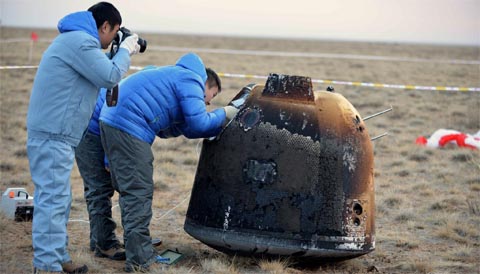
Chinese Chang'e Craft Loops the Moon
A Chang'e spacecraft swung around the Moon and its capsule landed safely on Earth — a dress rehearsal for a future mission to bring back lunar samples.

Stellar New Director for AAVSO
The appropriately named Stella Kafka has been named the newest in a series of esteemed directors of the American Association of Variable Star Observers.
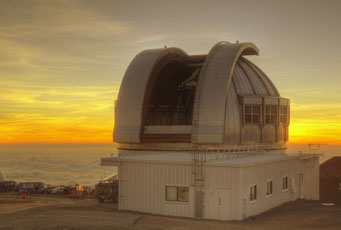
Closure Averted for World-Class Observatory
The University of Hawai'i, in partnership with the University of Arizona and Lockheed Martin, will sustain operations of the UKIRT infrared telescope.
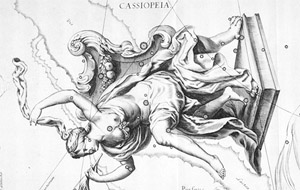
Tour November's Sky: Cassiopeia
A mythic drama plays out in the stars above on November evenings. Taking center stage, almost directly overhead at nightfall, is Cassiopeia, the Queen.

Ghostly Light From Dead Galaxies
Astronomers are peering into a galaxy cluster’s past, using Hubble’s Frontier Fields to measure the light from ghost stars cast adrift in galaxy collisions.
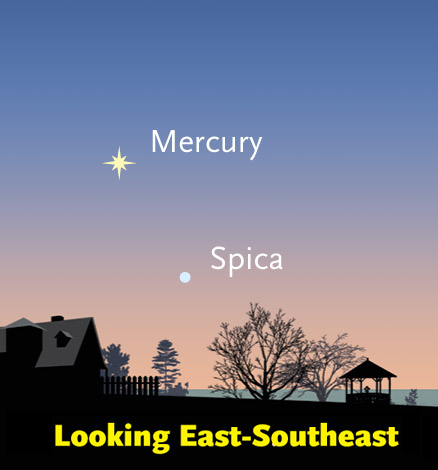
Where, When, and How to See Mercury
Mercury moves fast around the Sun and changes location in the sky quickly. But you can spot it before sunrise in early November. Here's the info you'll need!

People, Places, and Events S&T's Iceland Tour"}'>
Auroras Aplenty on S&T's Iceland Tour
Senior contributing editor Bob Naeye recently led a Sky & Telescope tour of Iceland, where 50 astrotourists were treated to spectacular views of the Northern Lights.

Two Exocomet Populations Around Beta Pictoris
The comets in the infant planetary system around the star Beta Pictoris fall into two distinct families, with one reminiscent of the solar system’s Kreutz sungrazers.
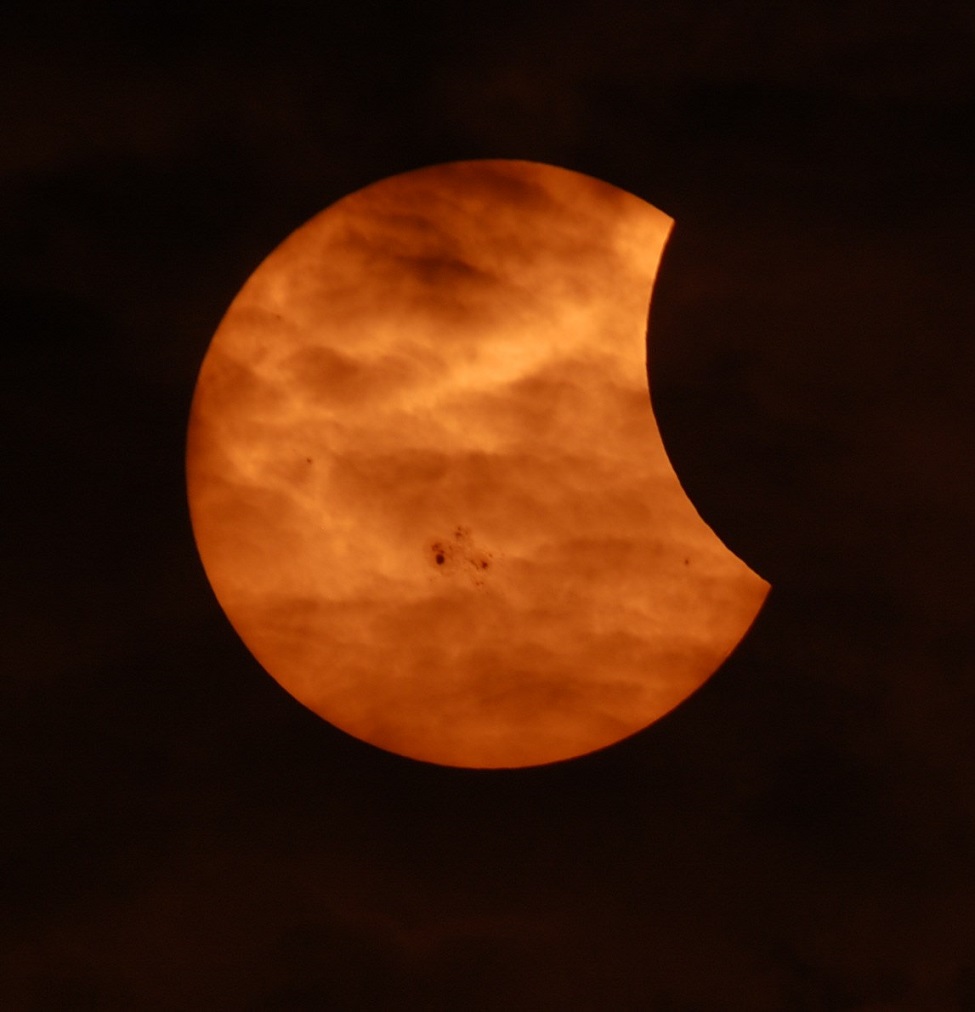
Partial Solar Eclipse Roundup
Readers share their experiences of the October 23, 2014 partial solar eclipse.
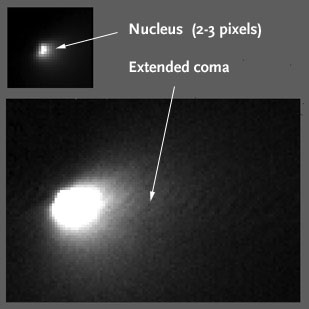
Spacecraft Observe Comet Siding Spring
Mars-orbiting spacecraft escaped unscathed by Comet Siding Spring's close approach to the Red Planet — and unique scientific observations are now streaming back to Earth.
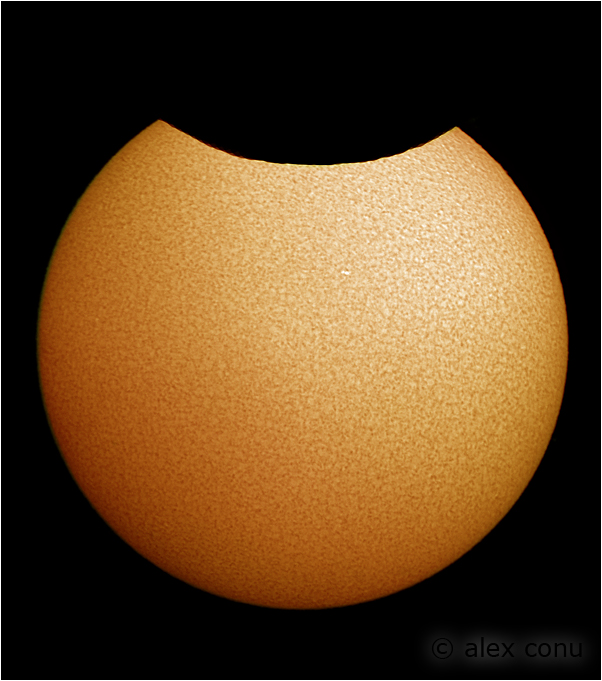
See a Partial Solar Eclipse — Today!
Find everything you need to enjoy today's partial solar eclipse — where to go, what you'll see, weather forecasts, and just in case, an online backup plan.
