 SUNSET:

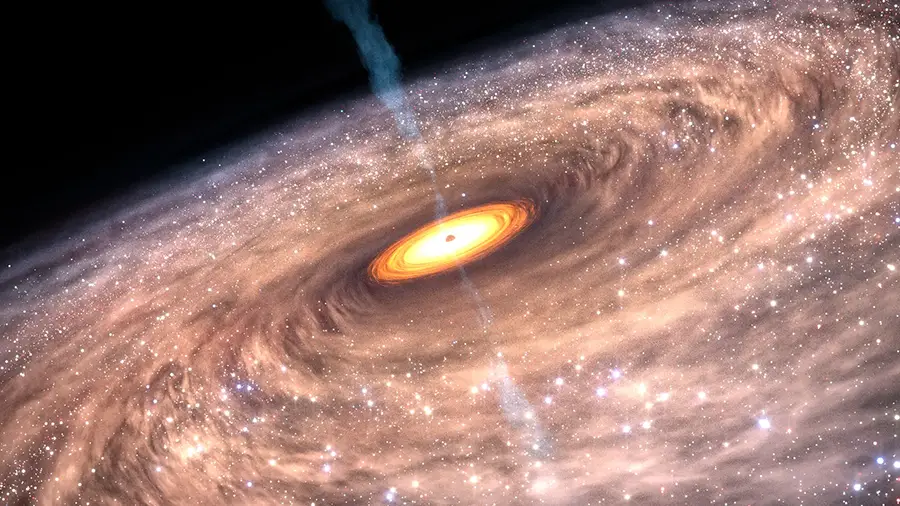
Euclid Telescope Finds Quasars Within 700 Million Years of the Big Bang
The sharp-eyed and far-seeing Euclid space telescope has picked up 31 early quasars that have evaded detection until now.
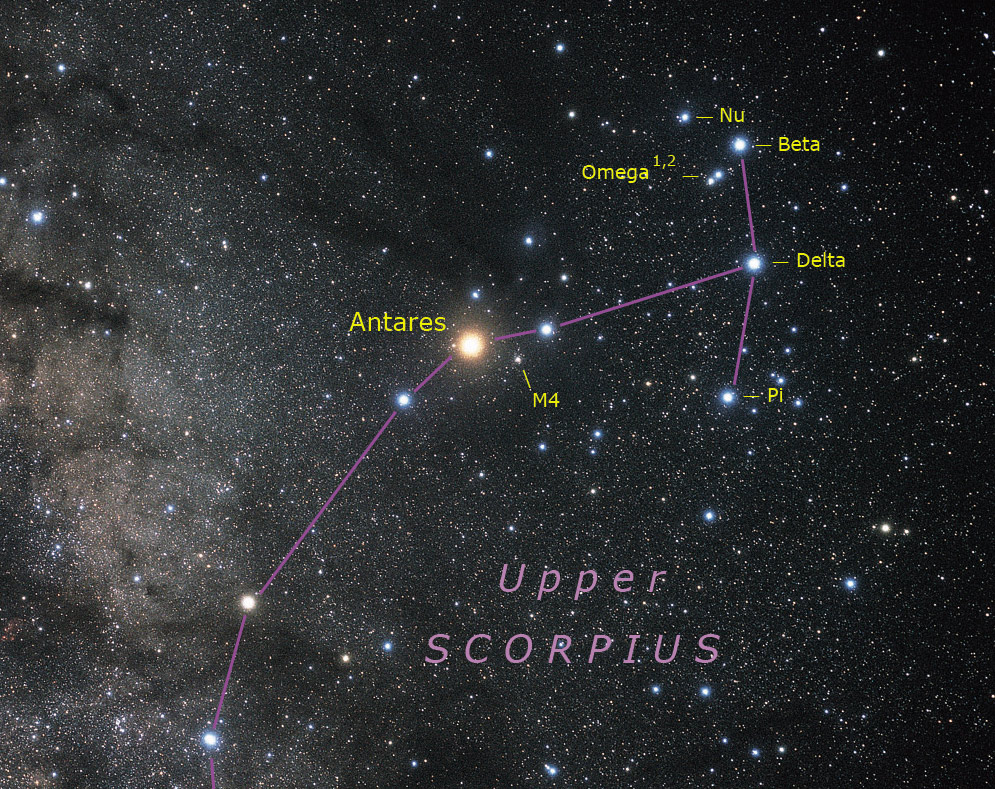
This Week's Sky at a Glance, July 10 – 19
The bright, distinctive pattern of Upper Scorpius is on its best display in the south right after nightfall. Telescopic treasures await. In the west, Regulus now departs from Venus.
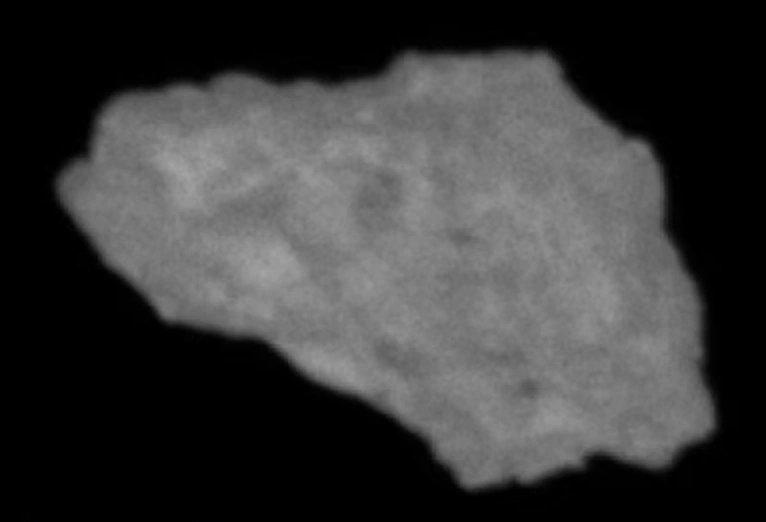
Tianwen 2 Arrives at Quasi-Moon Kamoʻoalewa, Returns Images
China’s Tianwen 2 mission returns its close view of Earth's tiny "quasi-moon" Kamoʻoalewa.
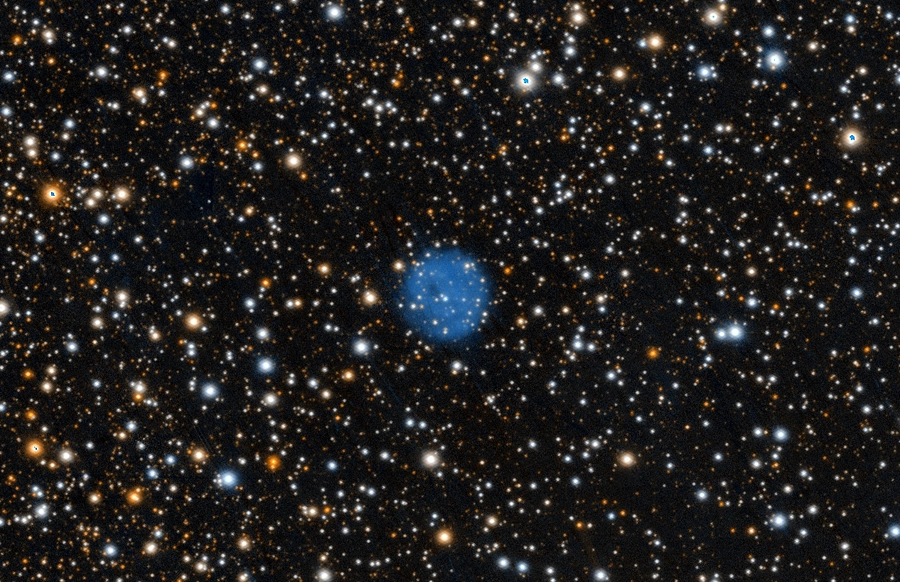
Steamy Nights at the Galactic Equator
Here's an observing guide to both familiar and lesser-known deep-sky objects that inhabit our galaxy's equatorial zone.

Did a Passing Star Shower Us with Comets?
We might be living through a comet shower created by a star that millions of years ago jostled the Oort Cloud surrounding the solar system.
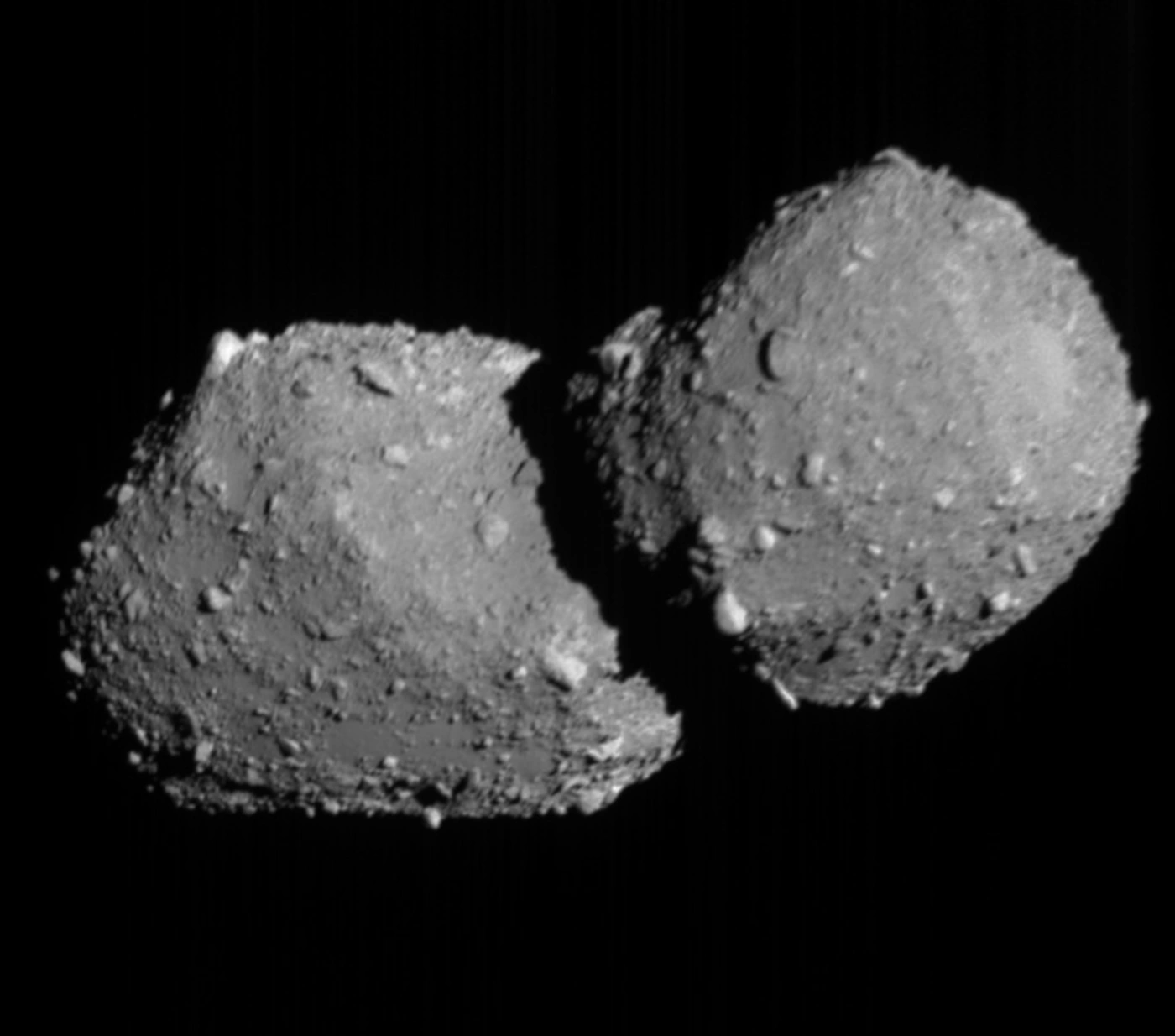
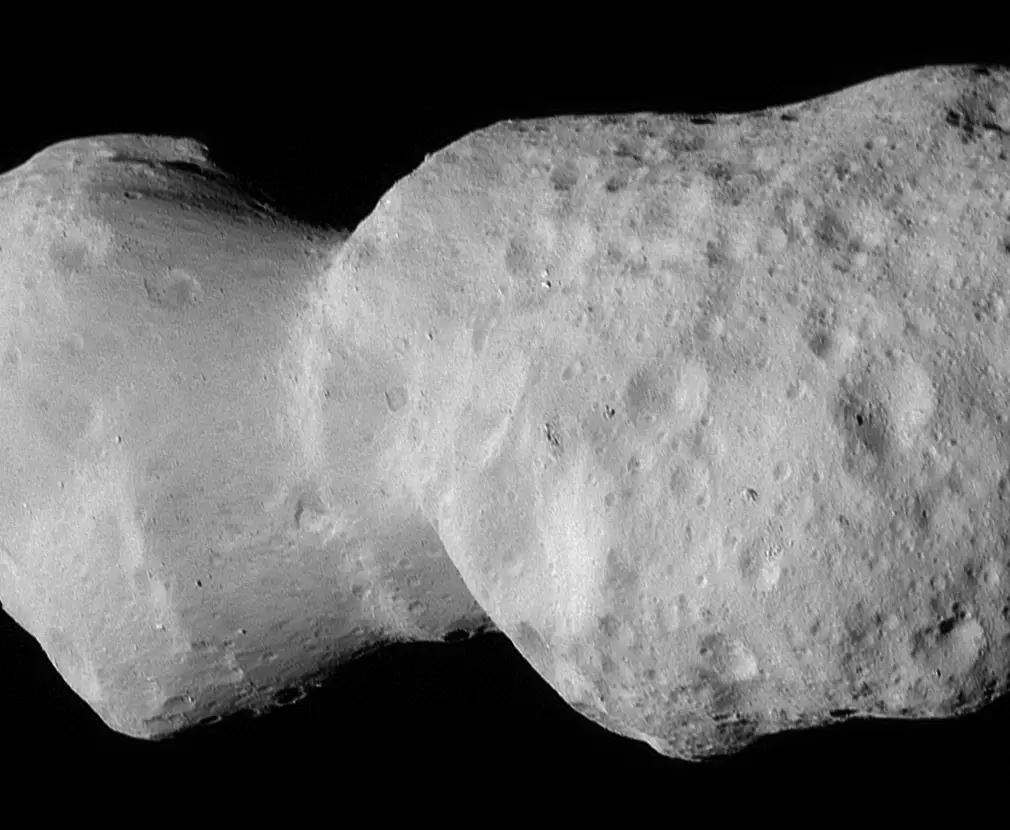
Hayabusa 2 Completes Flyby Past Asteroid Torifune
Japan’s Hayabusa 2 mission has revealed another "snowman" asteroid — a pair of asteroids attached with a narrow neck. The contact binary could help shed light on planet formation.
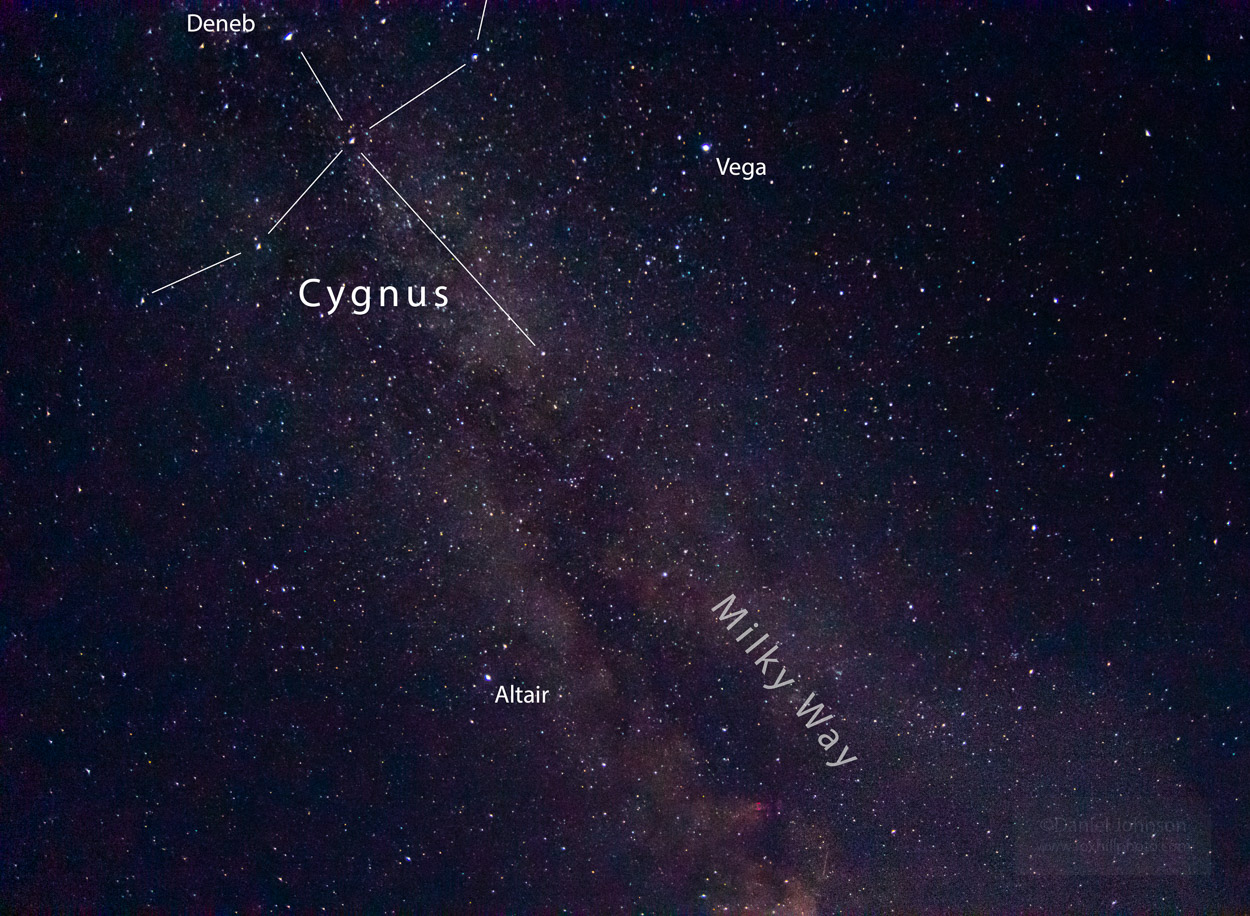
Meet the Cygnus, the High-Flying Swan
Meet Cygnus, the Swan, a high-flying constellation that looks like its namesake and has a rich mythological history.
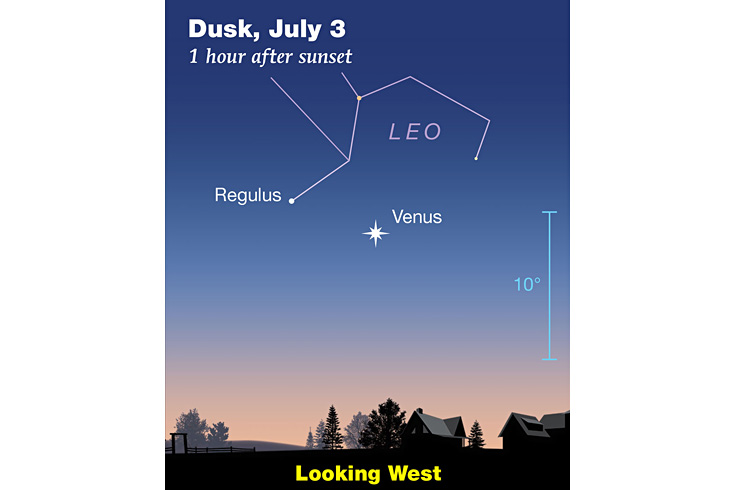
This Week's Sky at a Glance, July 3 – 12
Regulus creeps up to Venus in twilight this week. Vega and Arcturus balance across the zenith. And this being July, Scorpius decorates the south.
Astronomy in Space with David Dickinson
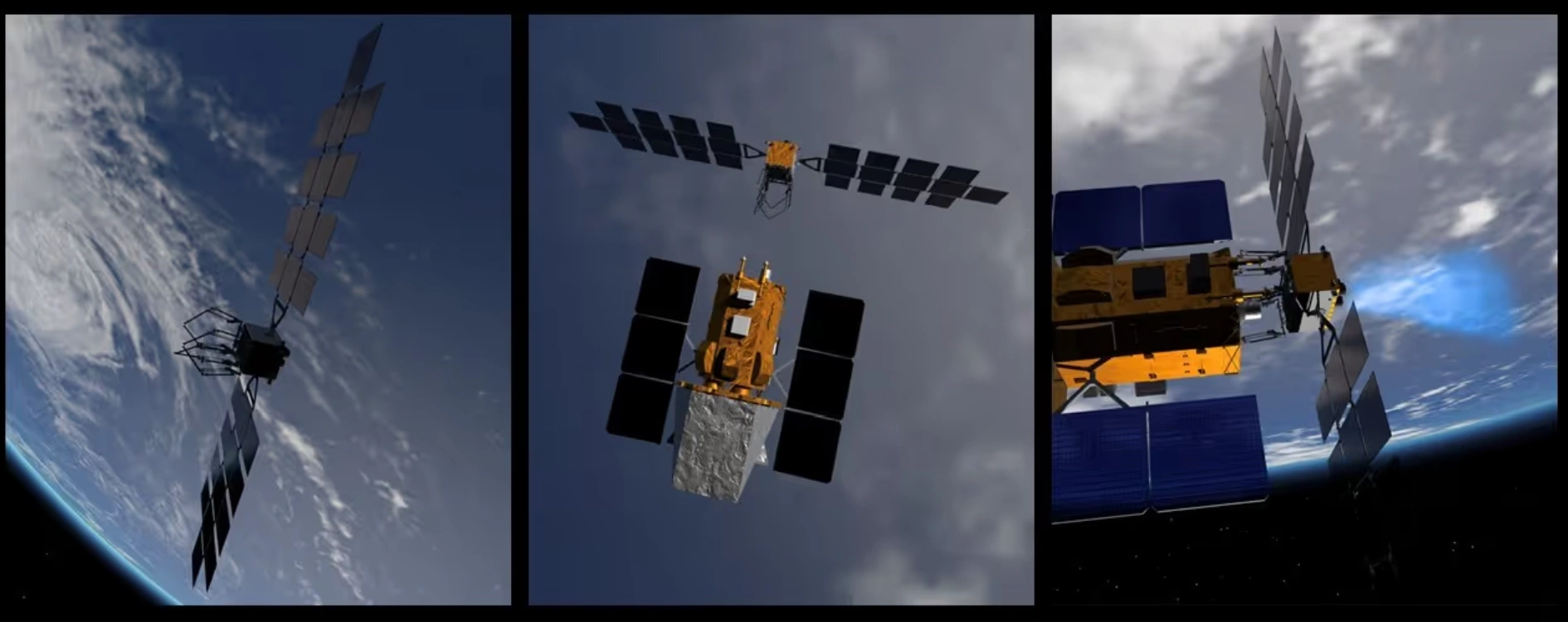
Mission Launches to Rescue Swift Observatory
A daring mission will attempt to reach and save a key astrophysics observatory in low Earth orbit.

Cotton-Candy Exoplanets: Two for the Price of One!
NASA’s Transiting Exoplanet Survey Satellite has found two “super-puff” planets in the same system, each one as light as cotton candy.
Astronomy in Space with David Dickinson
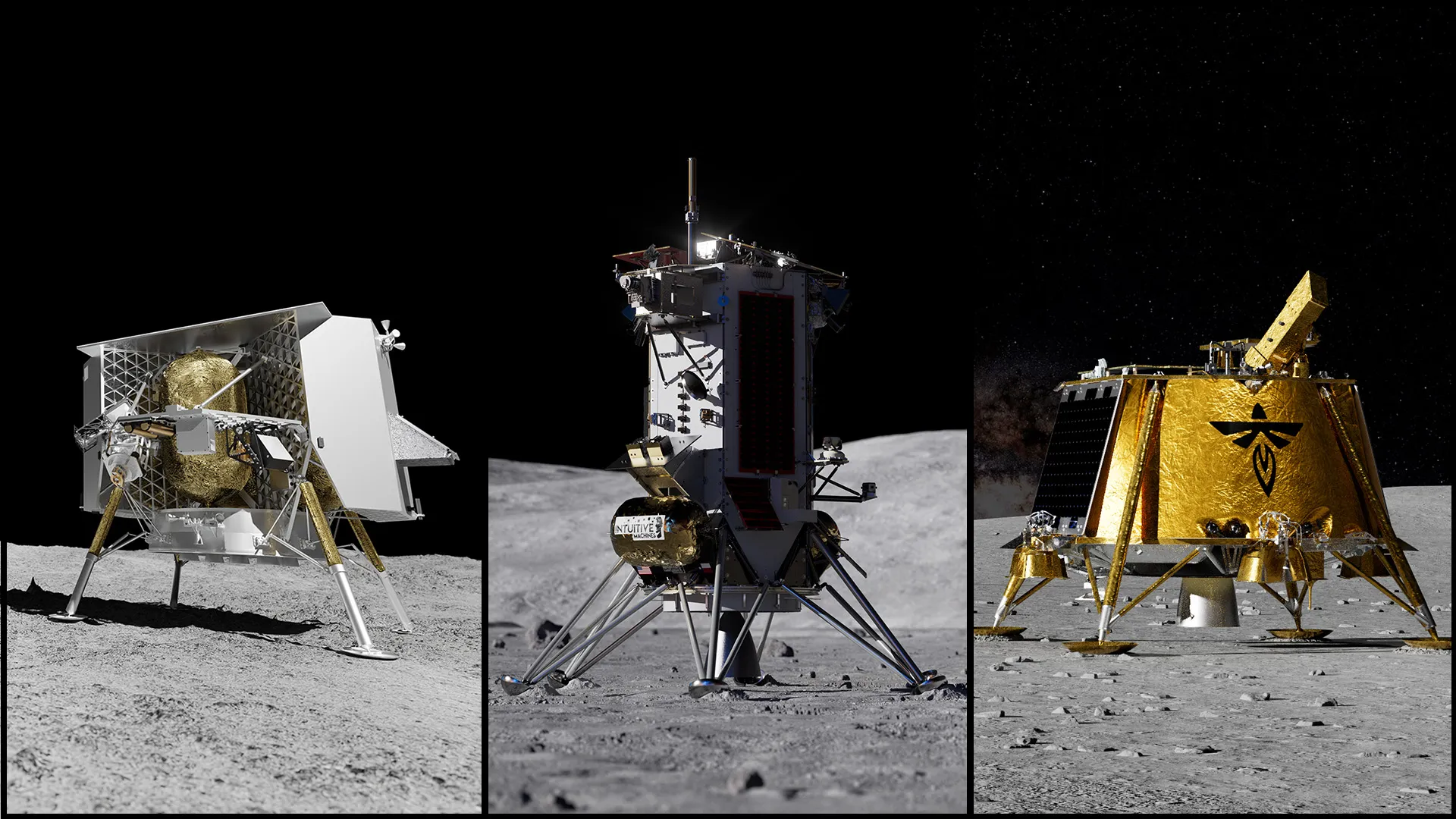
NASA Announces Four New Lunar Lander Missions for 2028
NASA has awarded contracts to three aerospace companies for four lunar landers to launch in 2028.
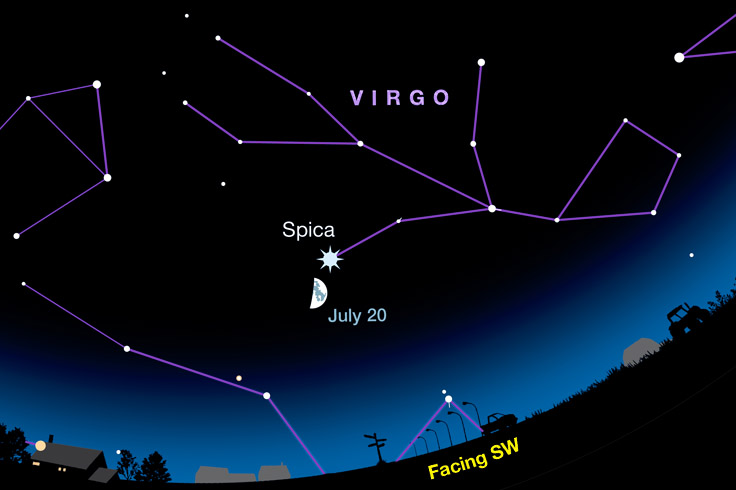
July Podcast: Spotlight on Spica
This month’s episode highlights the bright star Spica, now prominent high in the southwest after evening twilight. It’s leading the parade of constellations, along with the brilliant planet Venus, that will grace the Northern Hemisphere’s summer skies. You'll also get to know other brights stars in Spica’s vicinity, along with excellent tips on how to be a better stargazer. So grab curiosity and come along on this month’s Sky Tour.
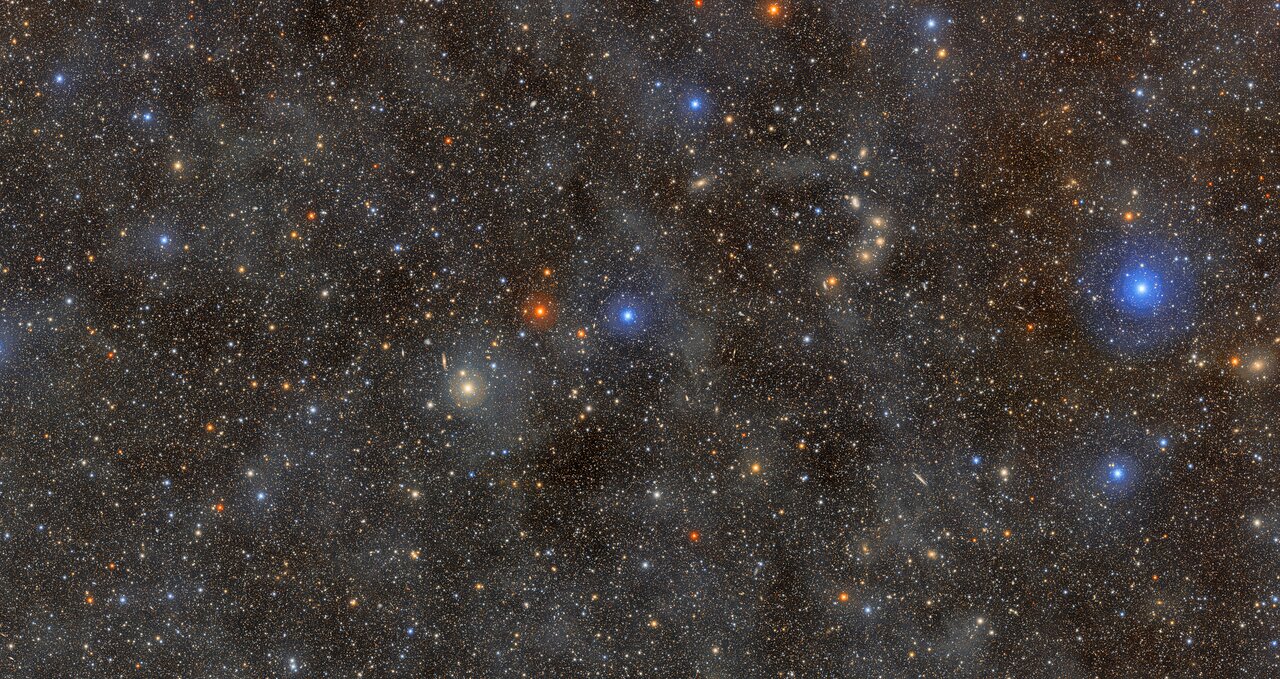
Vera C. Rubin Observatory Begins Its Long-Awaited All-Sky Survey
The telescope should spot billions of astronomical objects in the next 10 years.
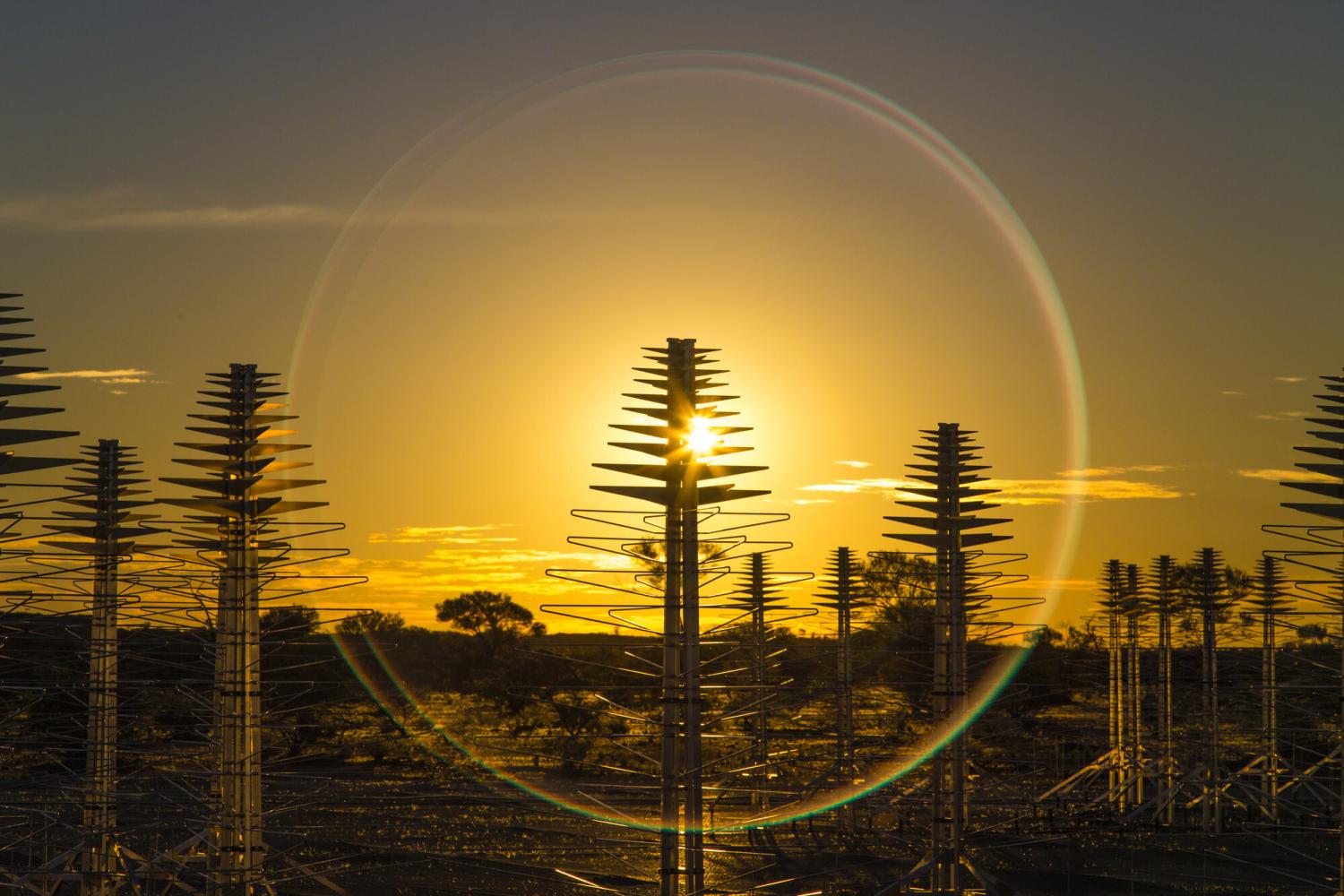
Radio Astronomers Measure a Brighter Sky Than They Expected
Astronomers have underestimated just how bright the low-frequency radio sky is, new measurements show.
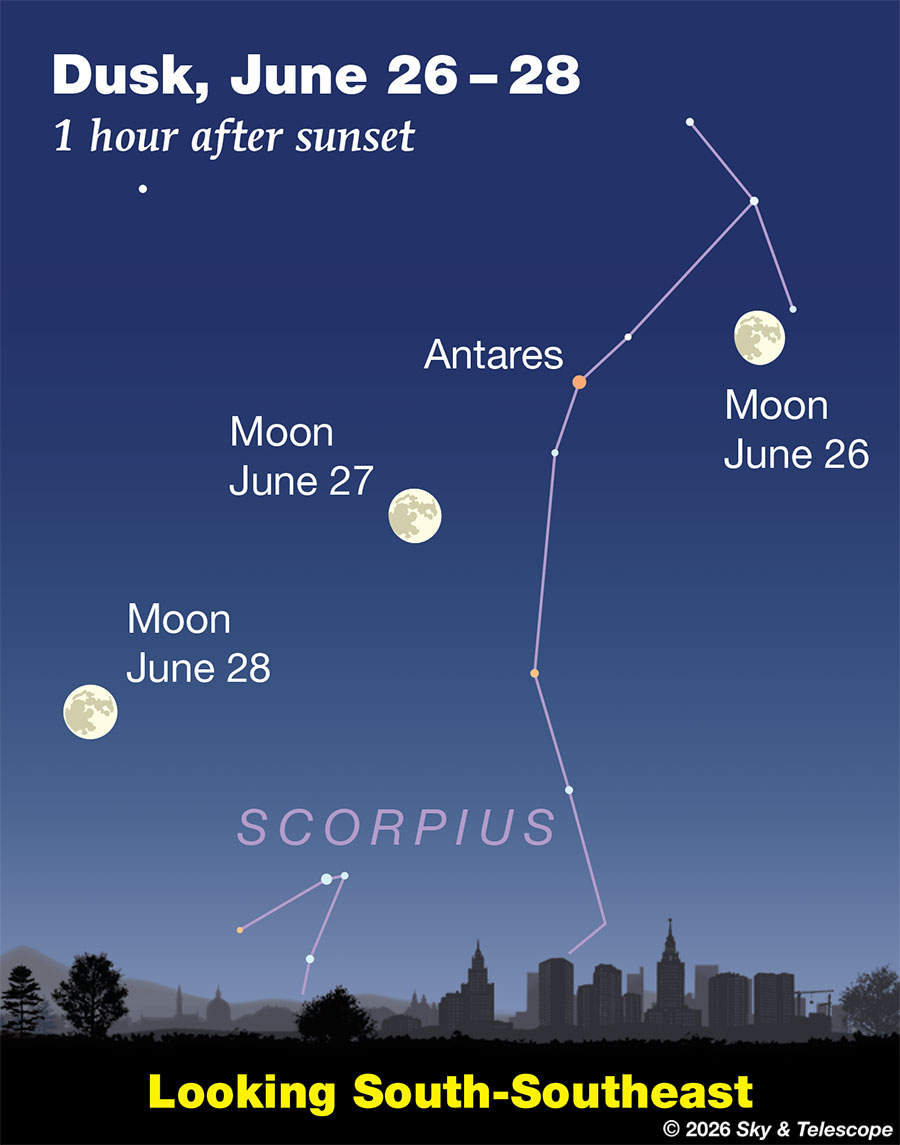
This Week's Sky at a Glance, June 26 – July 5
The almost-full Moon steps past orange Antares between Friday and Saturday evenings, June 26th and 27th.
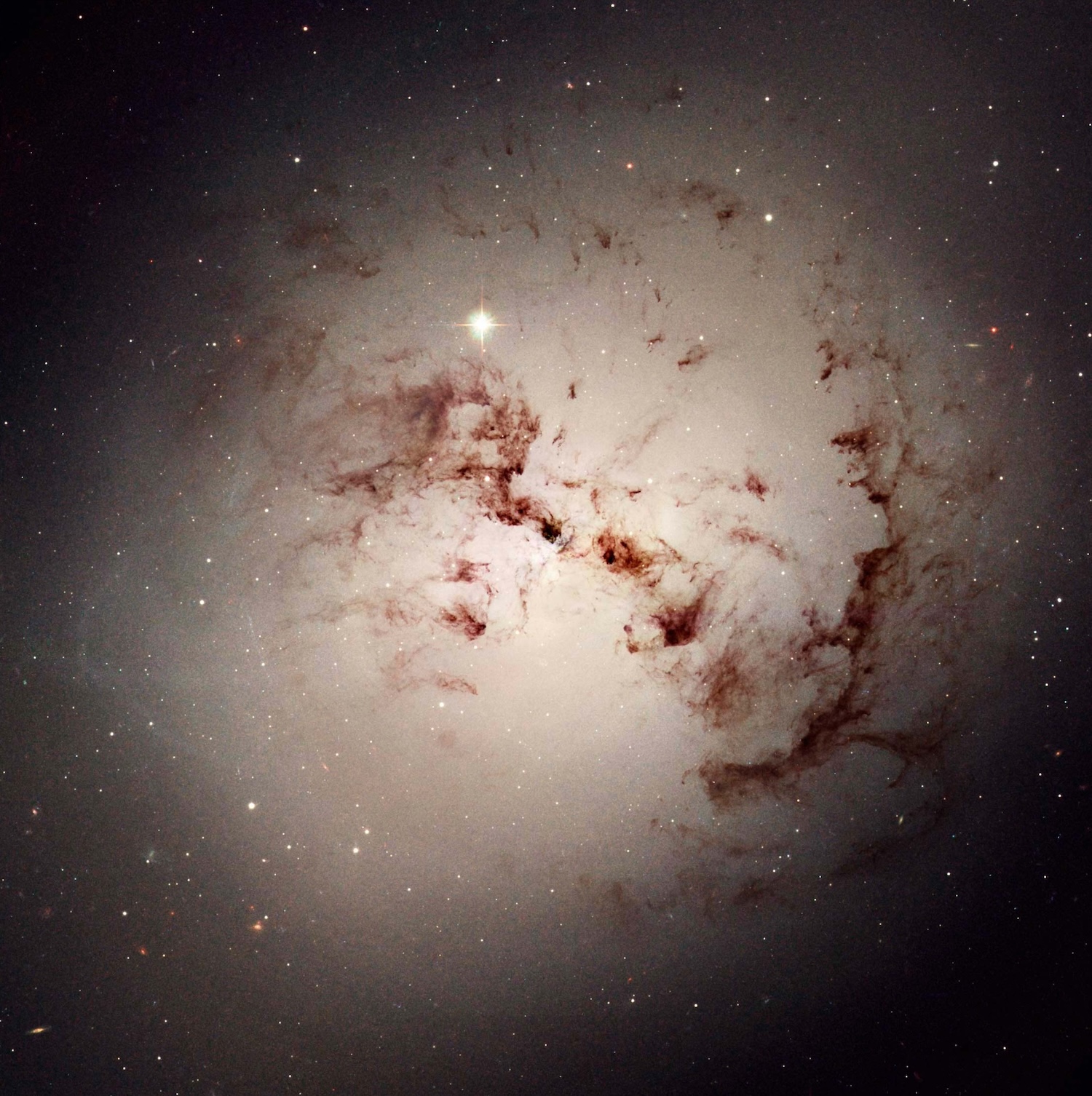
Into the Void: Investigating the Heart of a Giant Elliptical Galaxy
The core of the brightest galaxy in the cluster Abell 402 contains a curious void. New observations suggest that an ultra-massive black hole could have excavated this feature.

Exploding Stars Sprinkled Ancient Earth With Radioactive Iron and Plutonium
Exploding stars have left their radioactive mark on our planet. Now scientists have found more evidence of a particularly violent event in Earth’s more ancient past.
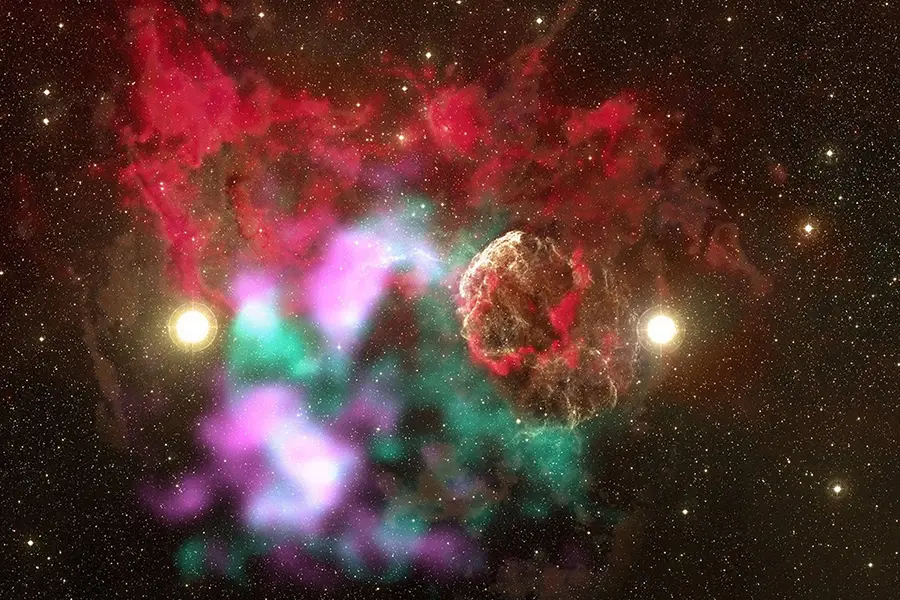
Double Whammy: Binary Supernova in Gemini
New analysis reveals a tight relationship between two supernova remnants in the outer Milky Way.
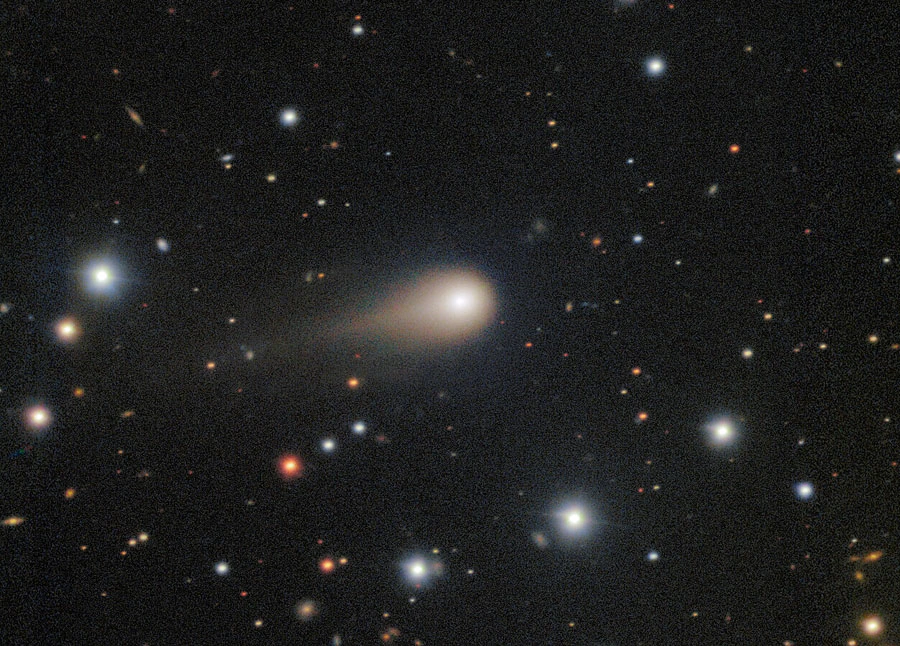
Interstellar Comet 3I/ATLAS Has Cold, Ancient Origins
The most recent interstellar visitor was crisscrossing our galaxy for some 10 to 12 billion years before it came near the Sun.
Lucy's First Asteroid Flyby Sheds Light on a Double-lobed Asteroid
On its way to future encounters with Trojan asteroids, the Lucy spacecraft made a practice run past tiny asteroid 52246 Donaldjohanson — now we're seeing the analysis of those images.
