 SUNSET:

How Brightly Shines the Moon?
How does skyglow from the full Moon compare to urban light pollution?
Better Late Than Never
Producing the finder charts for asteroid 2006 VV2 was a mad scramble — but worth it.

A Big Chunk of Rock Passes Near Earth
A mile-wide chunk of rock is now whizzing past Earth. At its closest approach, around 11 p.m. Pacific Daylight Time on March 30th, it will be 10th magnitude and just 2 million miles over the heads of observers in Southern California.
Measuring Skyglow
Measuring light pollution is fun — though sometimes depressing.

Dressing Up for an Evening Out
Proper clothing makes cold-weather observing a treat.

Waiting for Sagittarius
The glories of the summer Milky Way remain tantalizingly out of reach.

The Meaning of Stargazing
Does stargazing have a purpose or is it just plain fun?
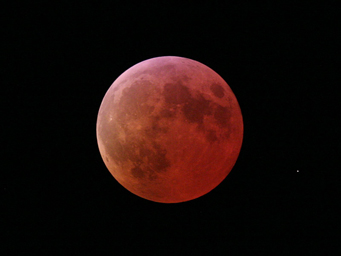
Gazing Upon Earth's Shadow
Skimming near the northernmost edge of Earth's shadow, the Moon experienced a relatively bright eclipse on March 3rd.
A Spontaneous Star Party
A lunar eclipse gathers a crowd of congenial strangers.
Celestial Time and Human Time
The orbits of the outer planets mark out a human life.

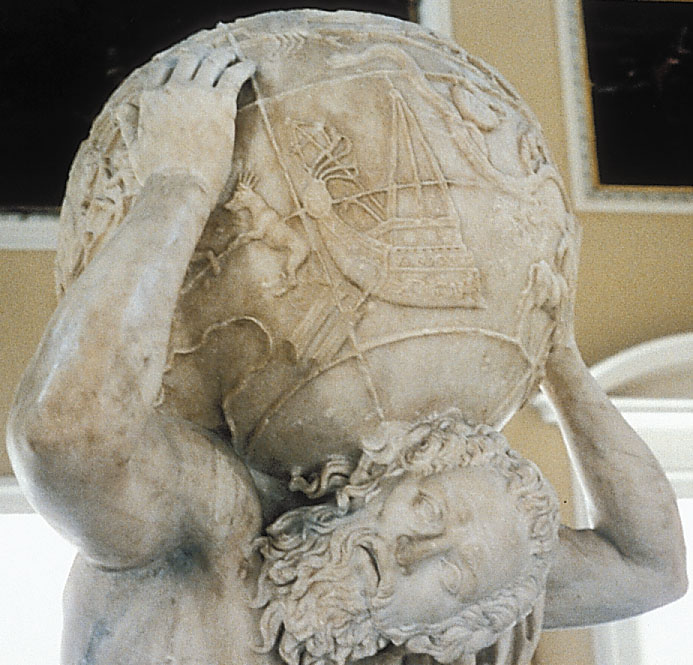
Constellation Names and Abbreviations
Here's all the essential information about the 88 constellations.
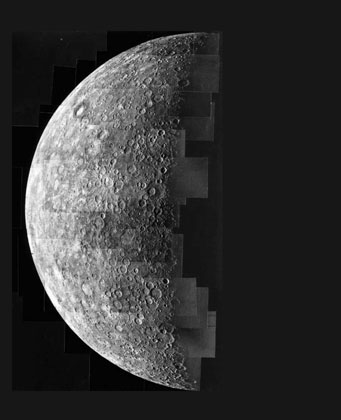
Observe Mysterious Mercury
Mercury, probably the least observed of the eight major planets, is well placed in the evening sky during the first half of February 2007 for observers in the Northern Hemisphere.

The Greek Alphabet
Here's a handy guide to the Greek letters that are used on star charts.
Comet Tail Still Visible Up North
It's been several days since anyone in the Northern Hemisphere saw the head of Comet McNaught. But the comet's tail is so bright and long that numerous northern observers have spotted it two or more hours after the head has set. All you need to try is a site with a good western horizon that's far from any artificial light pollution.
