 SUNSET:

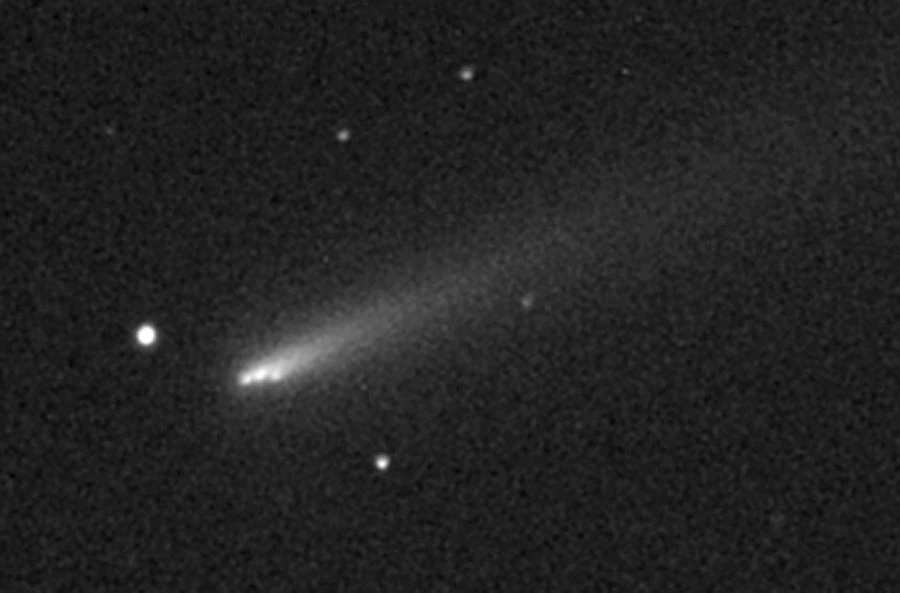
Comet K1/ATLAS Crumbles, Interstellar Comet 3I/ATLAS Delights
Watch an Oort Cloud comet disintegrate before your eyes. Meanwhile, interstellar intruder 3I/ATLAS is brighter than expected.
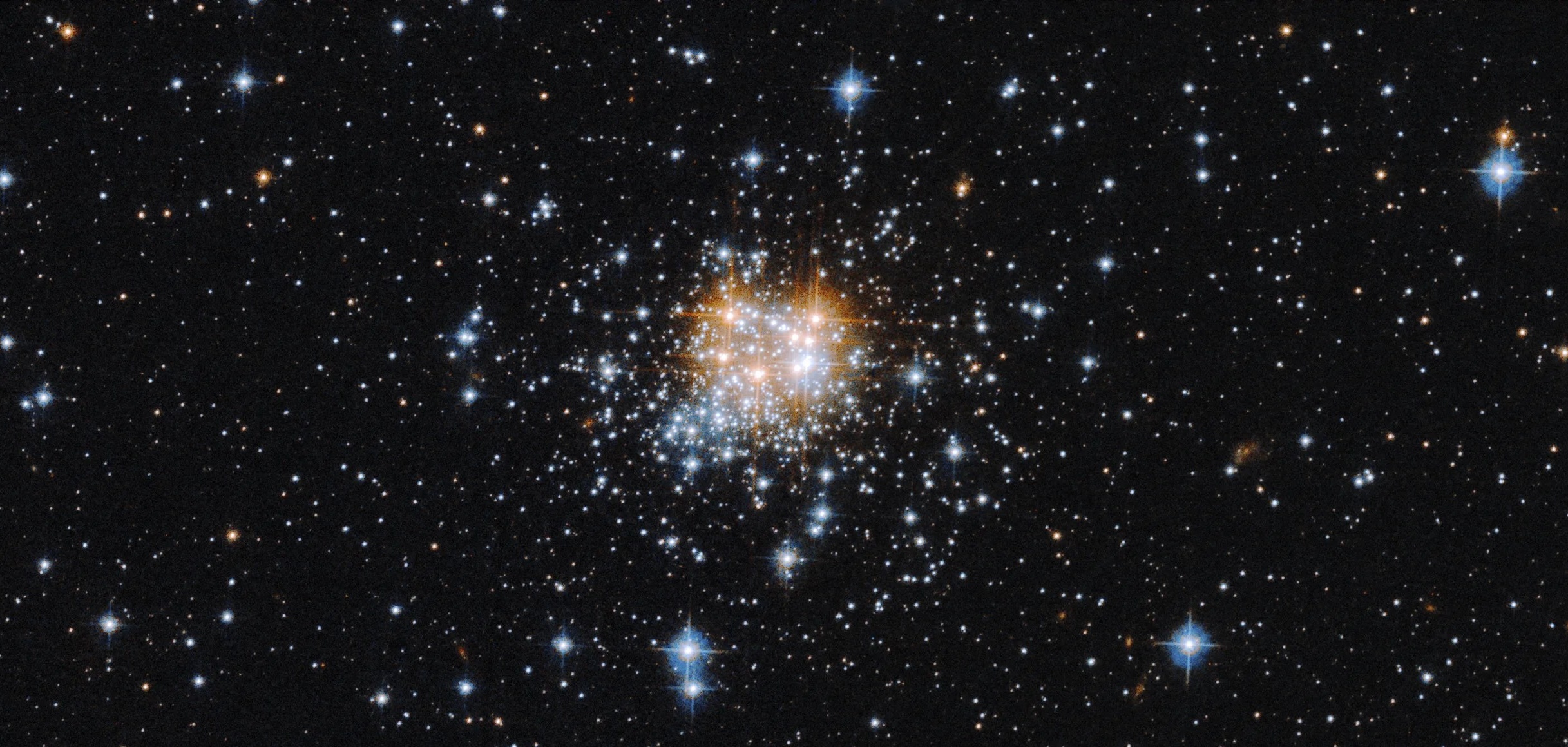
The Sun Left Home in a Hurry
By exploring the edge of the solar system, astronomers have estimated how long our star stuck around its siblings after birth.
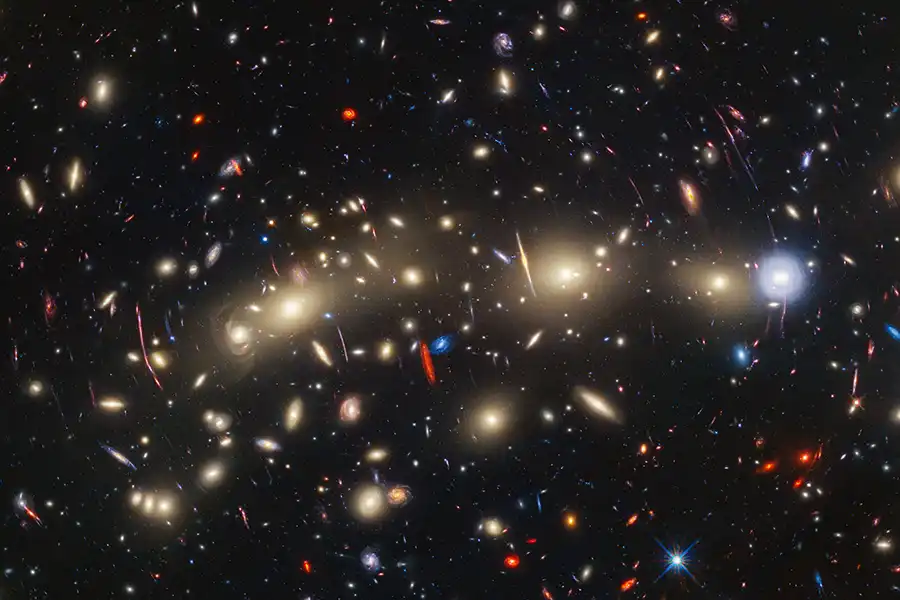
Have Astronomers Discovered the First Generation of Stars?
With the help of an intervening galaxy cluster, astronomers have found what might be the first generation of stars — but the jury's still out.
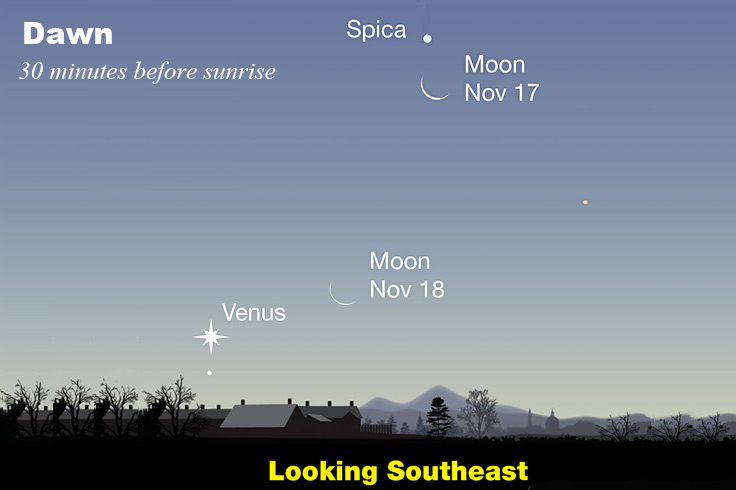
This Week's Sky at a Glance, November 14 – 23
Saturn's rings are turning as edge-on as we will see them for another 15 years. The planet awaits your scope high in the evening sky. Low in the dawn, the thin Moon approaches Venus.
Astronomy in Space with David Dickinson
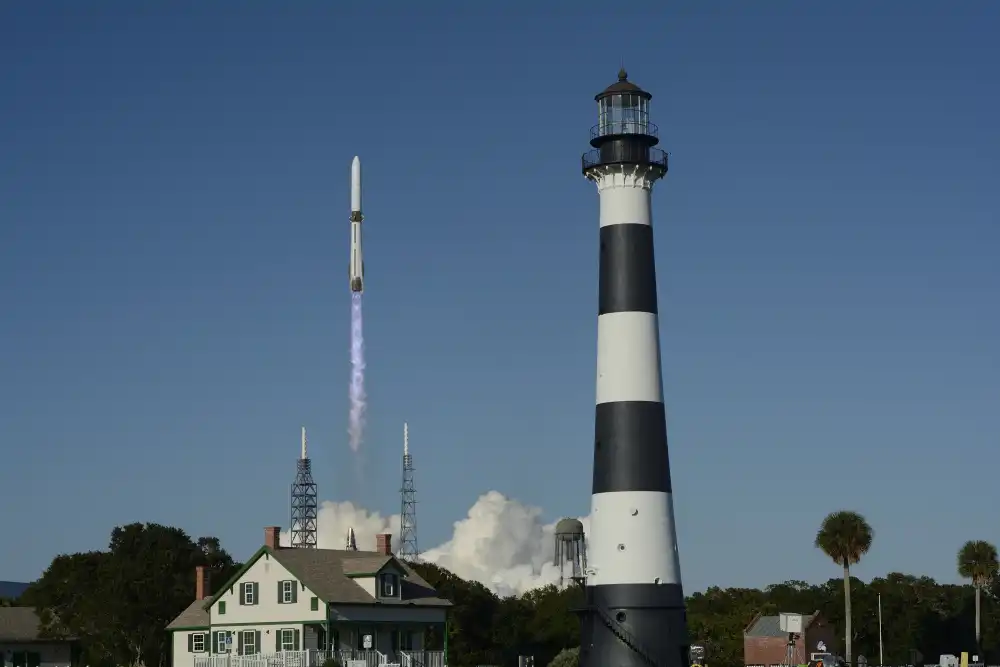
ESCAPADE Mission Launches for a Long Trip to Mars
A small but unique mission to Mars is taking an innovative path to reach the Red Planet in late 2027.
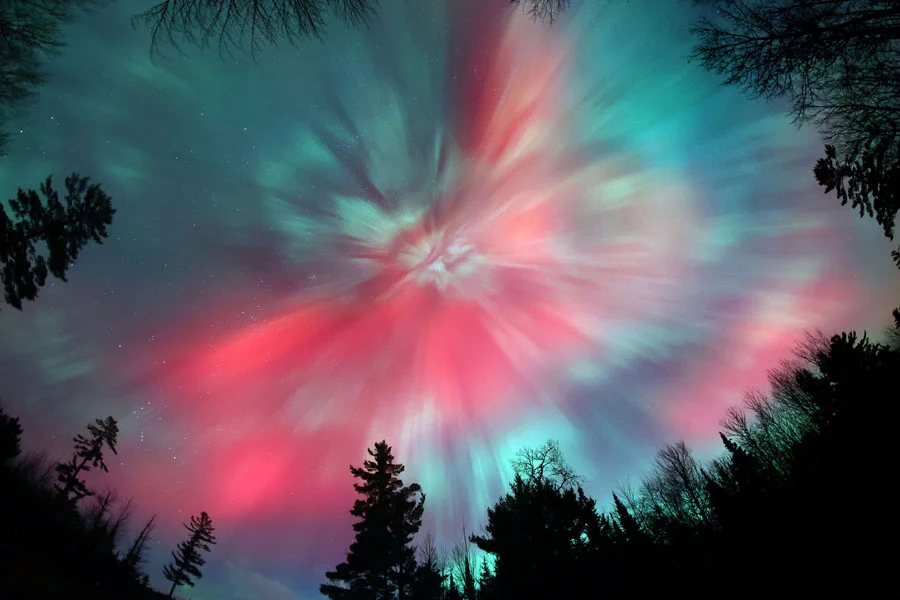
Double Solar Eruptions Spark Widespread Aurora
Last night's aurora painted the sky in reds, greens and even oranges. It's expected to return tonight!

See Saturn's Rings at Their Thinnest
Saturn's as edgy as it'll get for the next 13 years. With special visual treats in store, here's what to keep eyes on the planet this month.
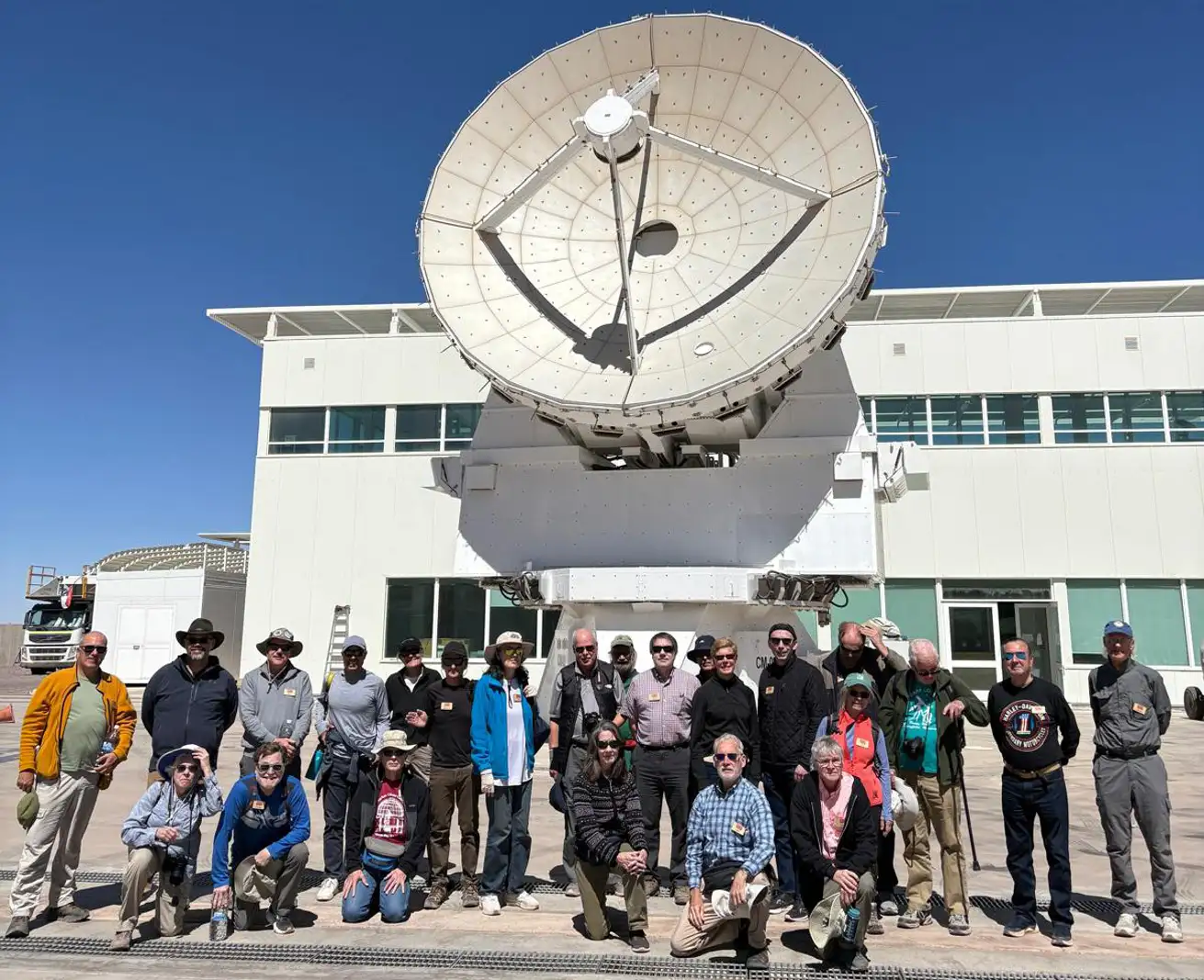
Astronomy Heaven: Sky & Telescope Tours Chile
Sky & Telescope's Chile tour offered magnificent views of the southern sky, professional observatories, and one of the world’s most remarkable deserts.
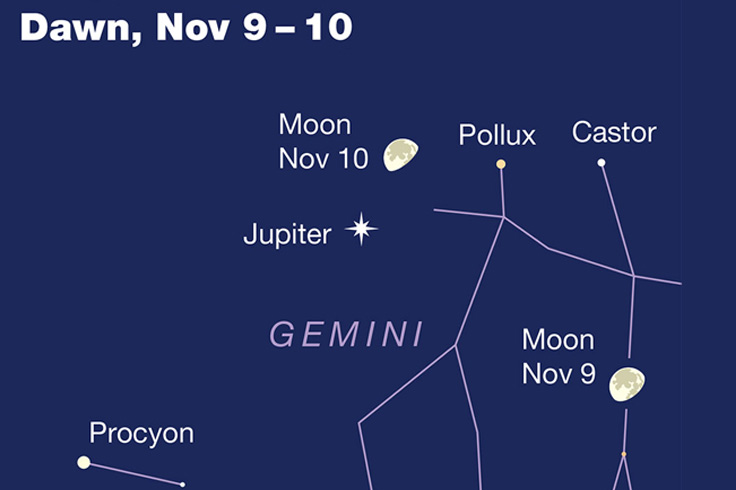
This Week's Sky at a Glance, November 7 – 16
The interstellar comet: Can you see it in your scope? Maybe you can, starting late this week as Comet 3I/ATLAS emerges from behind the Sun. If you have a large amateur telescope with which you can detect an 11th- or 12th-magnitude faint fuzzy rather low in the east just before…
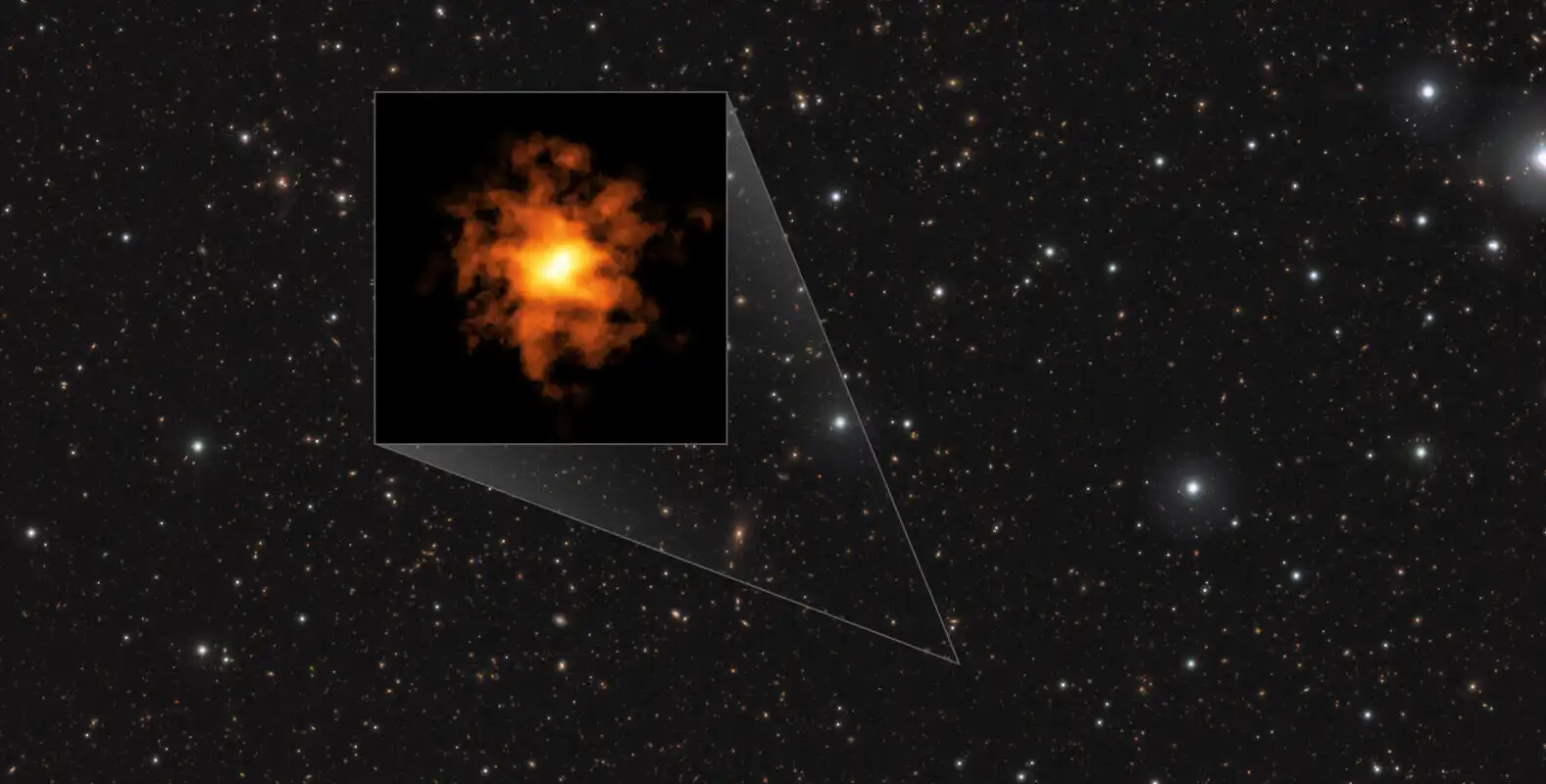
Early Galaxies Were Messy, New Study Finds
Astronomers have found that star-forming galaxies in the early universe were far messier than modern-day disk galaxies.
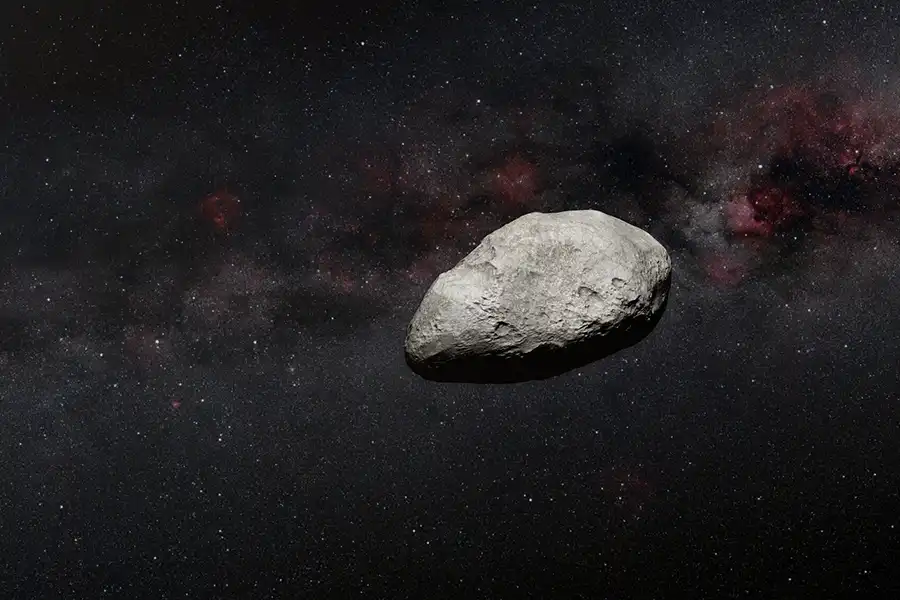
Near-Earth Asteroids Spin Faster Than We Thought
The fast spin of small near-Earth asteroids suggests scientists need to revise their ideas about what holds these rocky bodies together.
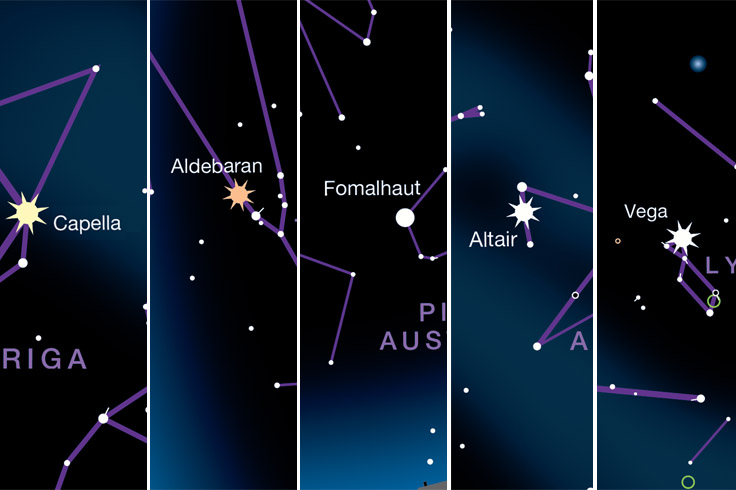
November Podcast: Five Fascinating Stars
In this month’s Sky Tour astronomy podcast, we’ll watch two sets of shooting stars, spot some bright planets, point out a few late-autumn constellations, and put a spotlight on five fascinating stars.
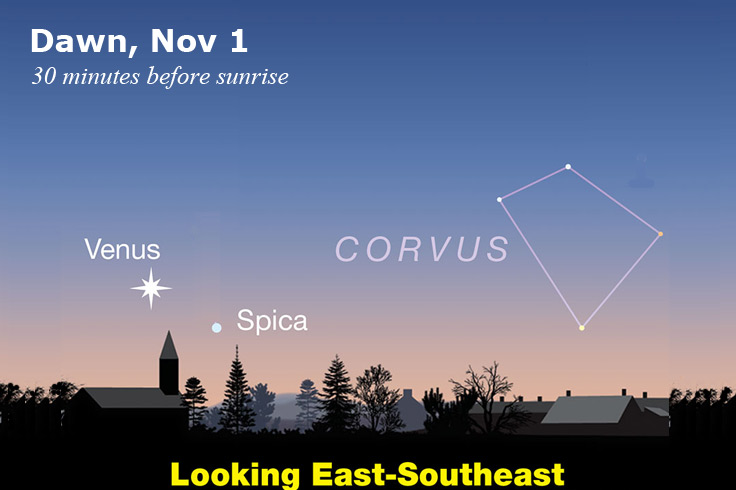
This Week's Sky at a Glance, October 30 –November 9
Saturn is in excellent view all evening. In a telescope its rings look like a thin needle piercing the big yellow globe. Soon the rings will turn exactly edge-on.
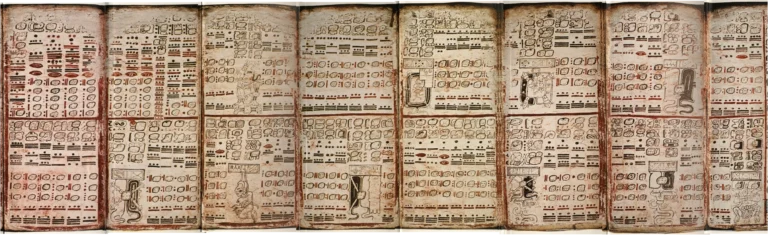
Maya 260-day Calendar Provides Key to Solar Eclipse Predictions
A new study has found that the 260-day ritual calendar is the key to understanding how the Maya predicted solar eclipses.
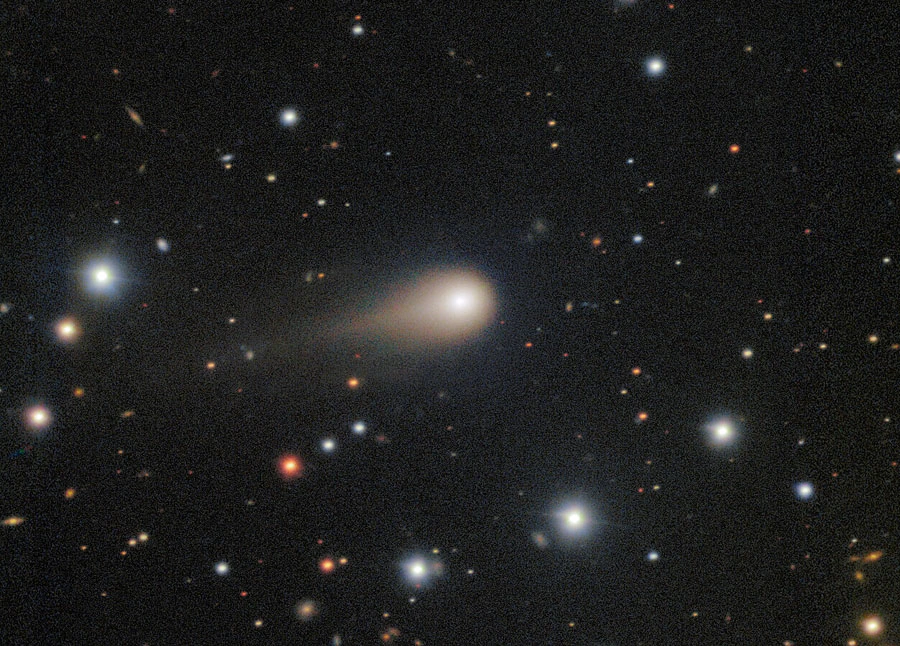
All Eyes on Interstellar Comet 3I/ATLAS
An alien comet will soon depart from the Sun's glare and enter the morning sky. It may be even brighter than expected, so get ready for the observing opportunity of a lifetime.
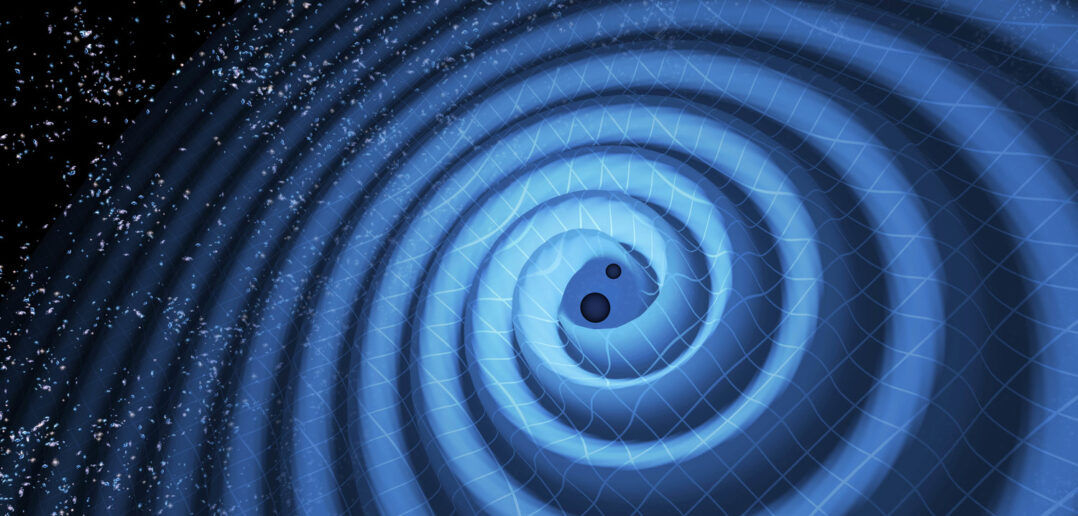
Gravitational Wave Detectors Spot Merging Black Holes That Have Merged Before
Two recent discoveries of black hole mergers add to the evidence that such mergers happen over and over again.

Al Nagler (1935–2025)
Albert H. Nagler, a pioneer of telescope optics, passed away at the office of his company Tele Vue Optics on Monday, October 27th. He was 90 years old.
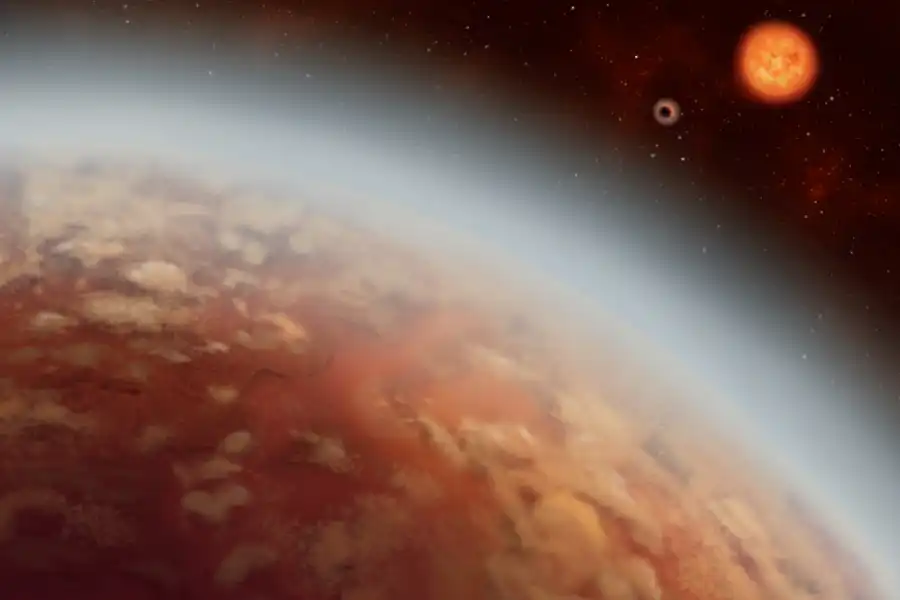
A Super-Earth Candidate Less Than 20 Light-Years Away
Astronomers have discovered a ready-to-image super-Earth candidate less than 20 light-years away.
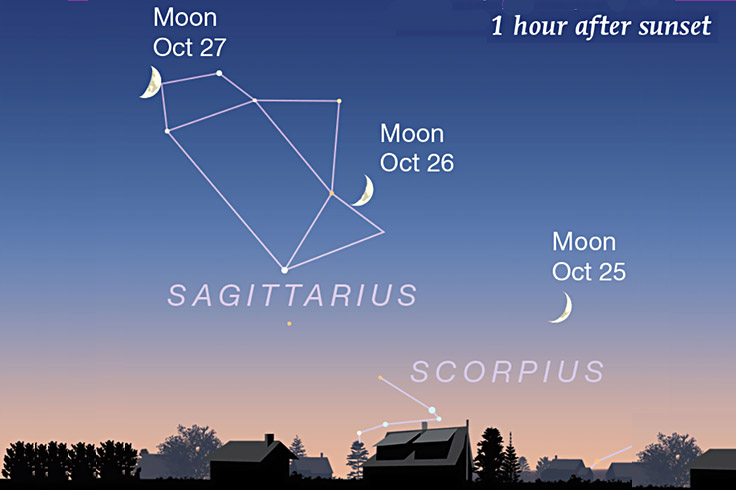
This Week's Sky at a Glance, October 24 –November 2
The crescent Moon returns and waxes to first quarter. Two binocular comets are on the way out. And Arcturus is once again the Ghost of Summer Suns.
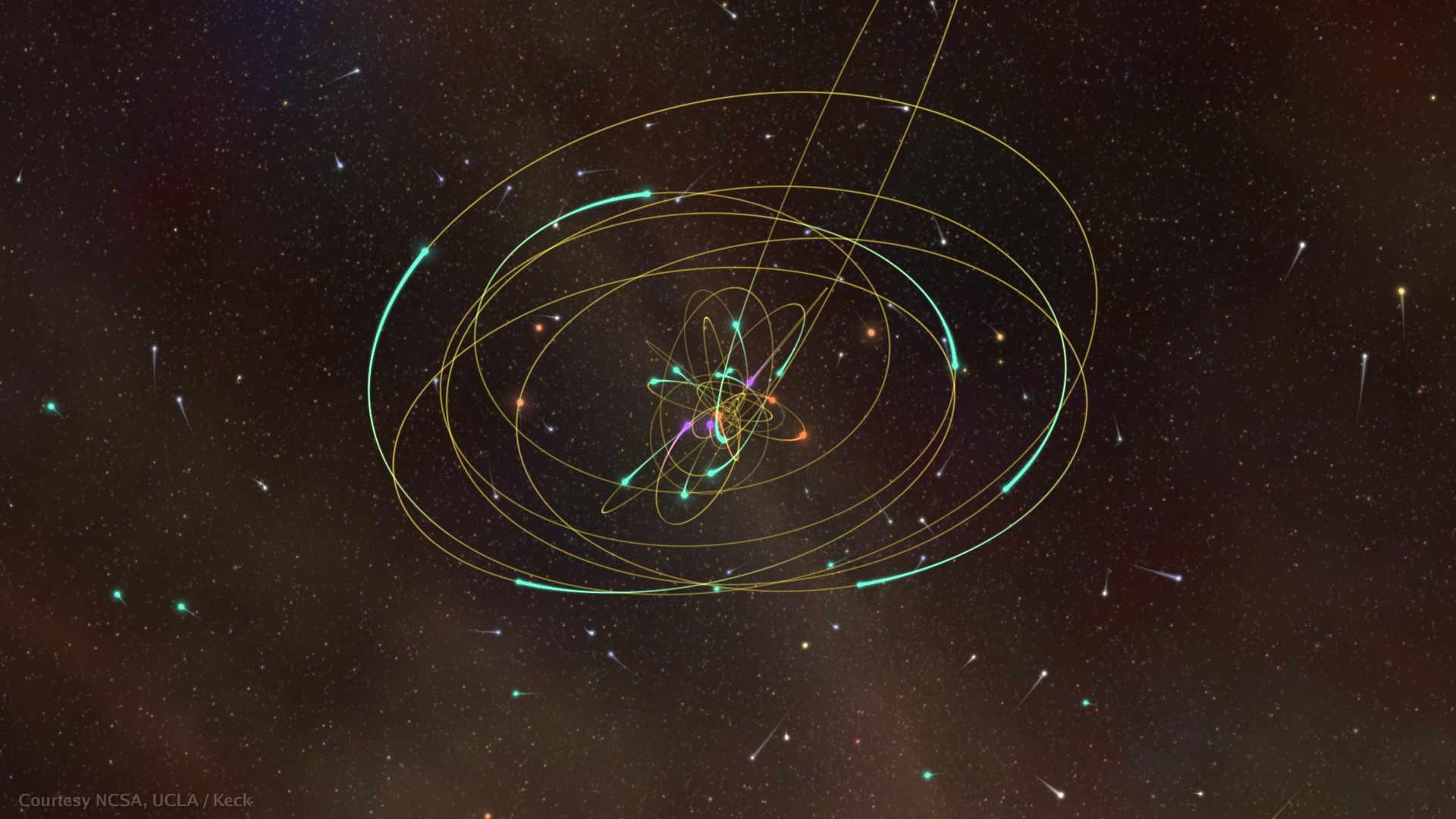
Merged Stellar Pairs May Orbit the Milky Way’s Black Hole
The merged remnants of stellar pairs may orbit the Milky Way’s central, supermassive black hole.
